In the demanding environment of marine engineering, the centrifugal oil separator, or purifier, stands as a cornerstone of machinery health. Its primary function—removing contaminants from fuel and lubricating oils—is vital for the smooth operation of main engines, auxiliary engines, and other critical systems. While the centrifugal force generated by the high-speed bowl is the star of the separation process, the unsung heroes ensuring its reliability, safety, and efficiency are often the proximity sensors integrated into its design. These sophisticated electronic components act as the nervous system of the purifier, providing essential feedback for automated control and protection.
The fundamental principle of a proximity sensor is to detect the presence or absence of a metallic target without physical contact. In marine purifiers, inductive proximity sensors are predominantly used. They generate an electromagnetic field; when a metallic object (the target) enters this field, eddy currents are induced within the target, causing a change in the sensor's own oscillation amplitude. This change is detected and converted into a clean, switch-like electrical signal. This non-contact operation is crucial in the harsh, vibration-prone environment of a purifier, offering superior longevity and reliability compared to mechanical limit switches.
Several key functions within a centrifugal separator are governed by these sensors. First and foremost is bowl speed monitoring. A sensor is typically positioned to detect the teeth of a gear or dedicated pins on the rotating bowl assembly. By counting pulses per unit of time, the control system can precisely determine the rotational speed. This is critical during the startup sequence to ensure the bowl reaches its operational RPM before any feed is introduced, and during operation to confirm it maintains the correct G-force for effective separation. A deviation from the set speed can trigger an alarm or an automatic shutdown, preventing ineffective purification or mechanical damage.
Another paramount application is sludge discharge control. Modern self-cleaning purifiers automate the ejection of accumulated solids. A proximity sensor monitors the position of the operating slide or the sliding bowl bottom. It confirms whether the bowl is in the "closed" position for normal separation or the "open" position for sludge discharge. This feedback is essential for the timing sequence of the water and air pulses that actuate the discharge. A faulty sensor indicating an incorrect position could lead to uncontrolled oil loss during a discharge cycle or a failure to eject sludge, causing bowl imbalance.
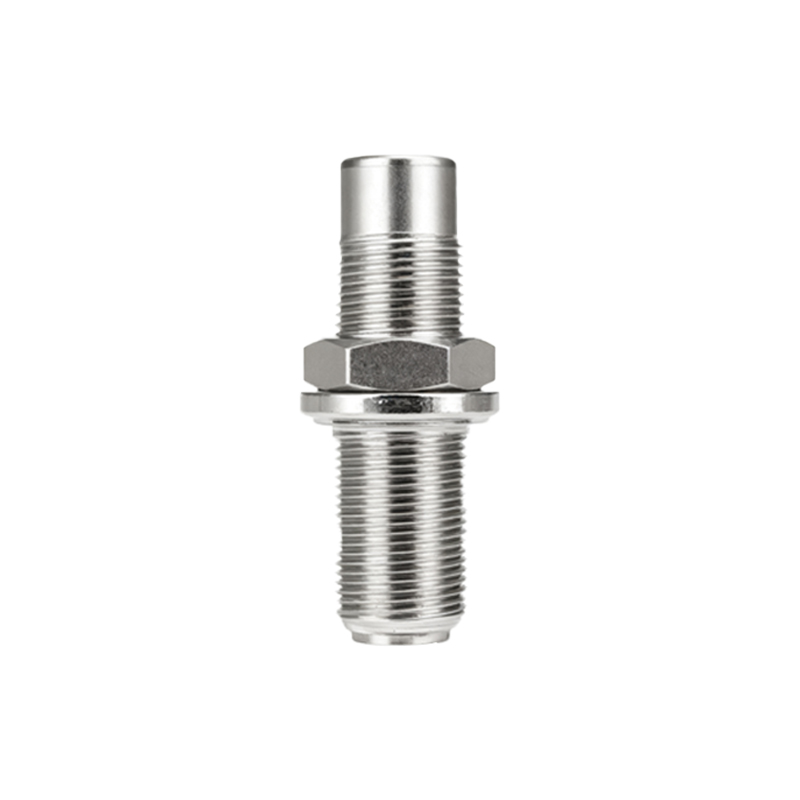
Bowl locking and cover security is a major safety function. A sensor verifies that the bowl locking ring is fully secured or that the main hood is correctly closed before the system allows the motor to start. This interlock prevents a catastrophic scenario where the purifier could operate with its bowl assembly not properly contained. Furthermore, sensors can be used for vibration monitoring. While dedicated accelerometers are used for detailed analysis, a robust proximity sensor monitoring the relative position of the shaft or housing can detect excessive radial movement indicative of severe imbalance or bearing wear, prompting an alert.
The integration of these sensors transforms the purifier from a purely mechanical device into an intelligent component of the ship's automation network. The signals are fed into a dedicated Programmable Logic Controller (PLC) or the purifier's own control unit. Here, logic algorithms process the inputs to execute complex sequences: start permissives, timed discharge cycles, and automatic responses to fault conditions. This level of automation reduces the need for constant manual supervision, allows for precise operational logging, and enables predictive maintenance strategies. For instance, a trend of gradually increasing time to reach operational speed, inferred from the speed sensor, might indicate increasing friction or drive system wear.
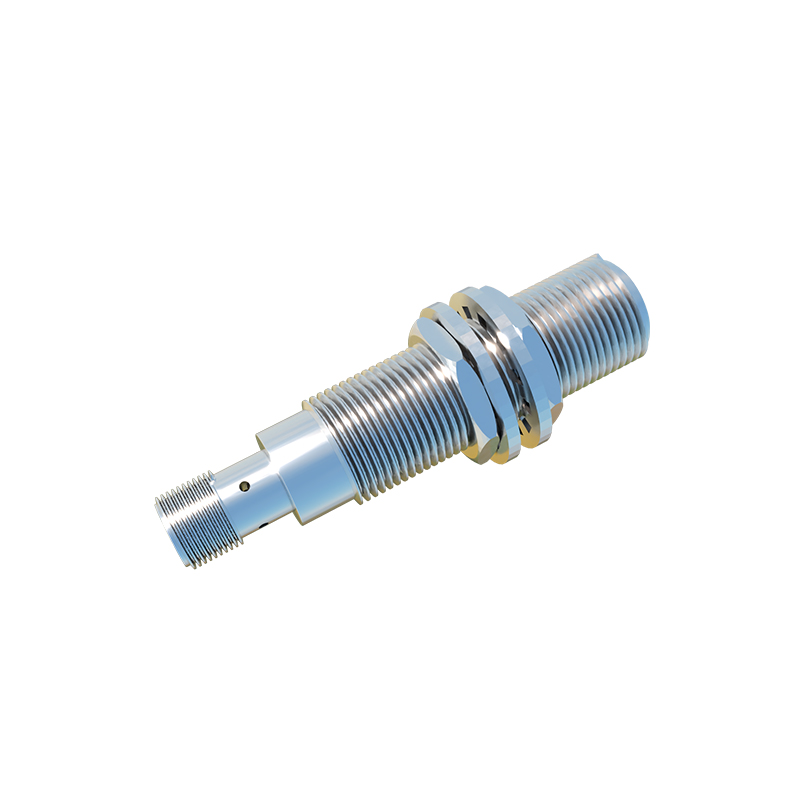
Selecting the right proximity sensor for this application requires careful consideration. The sensor must withstand high ambient temperatures, exposure to oil mist, and constant vibration. Its housing should have an appropriate Ingress Protection (IP) rating, typically IP67 or higher, to resist oil and water ingress. The sensing distance must be correctly specified for the target, accounting for any thermal expansion. Furthermore, the electrical output (typically PNP/NPN) must be compatible with the control system's input cards. Regular maintenance, though minimal, involves checking the sensor for physical damage, ensuring it is securely mounted, and verifying that the target is clean and properly aligned. Accumulated metallic debris on the sensor face can cause false triggering.
In conclusion, proximity sensors are indispensable for the modern, automated marine centrifugal oil separator. They provide the critical data that enables safe, efficient, and reliable operation. By monitoring speed, position, and security, they protect expensive machinery from damage, prevent operational failures, and ensure the purity of vital fuels and lubricants. For the marine engineer, a deep understanding of these sensors—their function, integration, and failure modes—is key to effective troubleshooting and maintaining the high availability standards required at sea. Their silent, continuous vigilance is a fundamental pillar of operational integrity in the marine power plant.