In the rapidly evolving landscape of industrial automation, small proximity sensor manufacturers play a pivotal role, driving innovation and offering tailored solutions that cater to diverse applications. These compact devices, capable of detecting the presence or absence of objects without physical contact, are integral to sectors ranging from automotive and packaging to robotics and consumer electronics. Unlike larger corporations, small manufacturers often excel in agility, allowing them to respond swiftly to niche market demands and technological shifts. Their operations typically emphasize customization, enabling clients to obtain sensors with specific sensing ranges, housing materials, or output configurations that standard off-the-shelf products may not provide. This flexibility is particularly valuable in specialized industries where precision and reliability are paramount.
The design and production processes at these firms are marked by a strong focus on research and development. Engineers continuously refine sensing technologies, such as inductive, capacitive, and photoelectric principles, to enhance performance metrics like detection accuracy, response time, and environmental durability. For instance, advancements in miniaturization have led to sensors that occupy minimal space while maintaining high sensitivity, making them ideal for compact machinery or wearable devices. Additionally, many small manufacturers invest in robust testing protocols, subjecting prototypes to extreme conditions—including temperature fluctuations, moisture exposure, and electromagnetic interference—to ensure compliance with international standards like IEC 60947-5-2. This rigorous approach not only bolsters product reliability but also builds trust with OEMs and system integrators who depend on consistent performance.
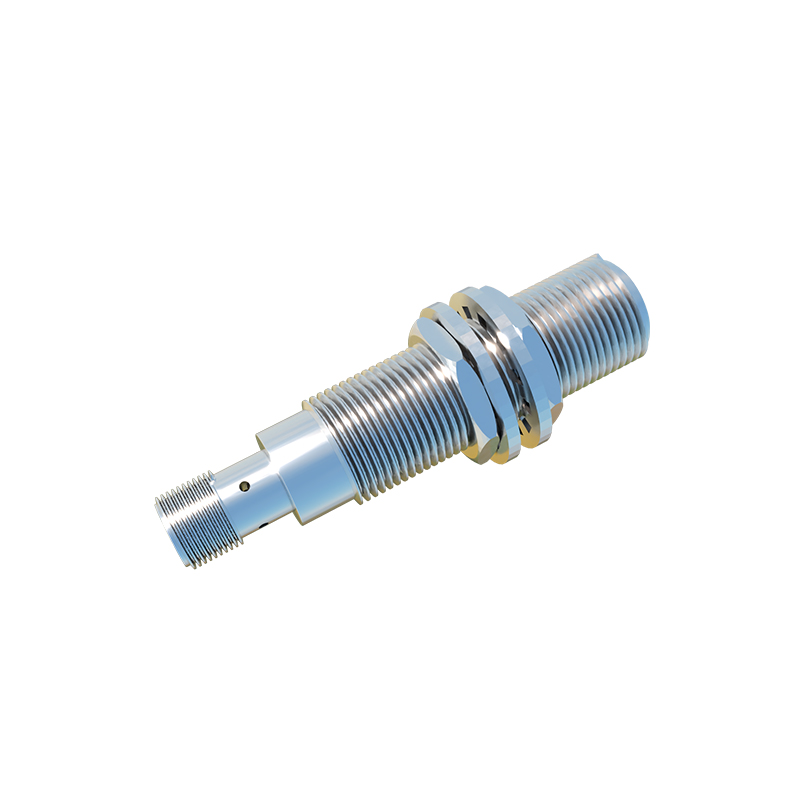
Market dynamics for small proximity sensor manufacturers are shaped by both opportunities and challenges. On one hand, the proliferation of Industry 4.0 and the Internet of Things (IoT) has spurred demand for smart sensors equipped with connectivity features, such as IO-Link or Ethernet interfaces, enabling real-time data exchange and predictive maintenance. Small firms that adapt by integrating digital capabilities can capture growth in emerging sectors like smart manufacturing and logistics automation. On the other hand, they face intense competition from global giants, supply chain disruptions, and rising material costs. To thrive, many leverage strategic partnerships with distributors or focus on vertical markets where their expertise offers a competitive edge. Sustainability is also becoming a key consideration, with manufacturers exploring energy-efficient designs and recyclable materials to align with eco-friendly initiatives.
Looking ahead, the trajectory for small proximity sensor manufacturers appears promising, driven by technological convergence and increasing automation across industries. Innovations in areas like artificial intelligence and edge computing may further enhance sensor functionality, enabling adaptive sensing and autonomous decision-making. However, success will hinge on continuous innovation, customer-centric approaches, and agile business models. By fostering a culture of engineering excellence and market responsiveness, these manufacturers can not only survive but flourish, contributing to the broader ecosystem of industrial automation and smart technology.