In the realm of industrial automation, proximity sensors play a pivotal role in detecting the presence or absence of objects without physical contact. Among various materials, glass presents unique challenges due to its transparent and sometimes reflective properties. This article delves into the specialized methods employed for glass detection using proximity sensors, focusing on practical techniques and technological advancements that ensure reliability in demanding environments.
Glass detection primarily relies on the principle of modulating sensor characteristics to overcome transparency. Standard inductive or capacitive sensors often fail with glass because it is non-metallic and may not significantly alter the sensor's field. Therefore, specialized sensors, such as ultrasonic and photoelectric variants, are commonly utilized. Ultrasonic proximity sensors emit high-frequency sound waves that reflect off glass surfaces, even if transparent. The time-of-flight measurement calculates distance, enabling detection based on the reflected signal's strength and timing. This method is effective for clear glass but can be influenced by surface angles, dust, or temperature variations.
Photoelectric sensors, particularly retro-reflective and diffuse types, offer another robust solution. For glass detection, sensors with polarized filters are advantageous. These filters help distinguish between direct reflections from the glass surface and ambient light, reducing false triggers. In retro-reflective mode, a sensor projects light onto a reflector; when glass interrupts the beam, detection occurs. Diffuse sensors measure light scattered from the glass surface itself, suitable for detecting transparent objects at close ranges. Advanced models incorporate background suppression technology, which ignores reflections beyond a set distance, enhancing accuracy for thin glass sheets.
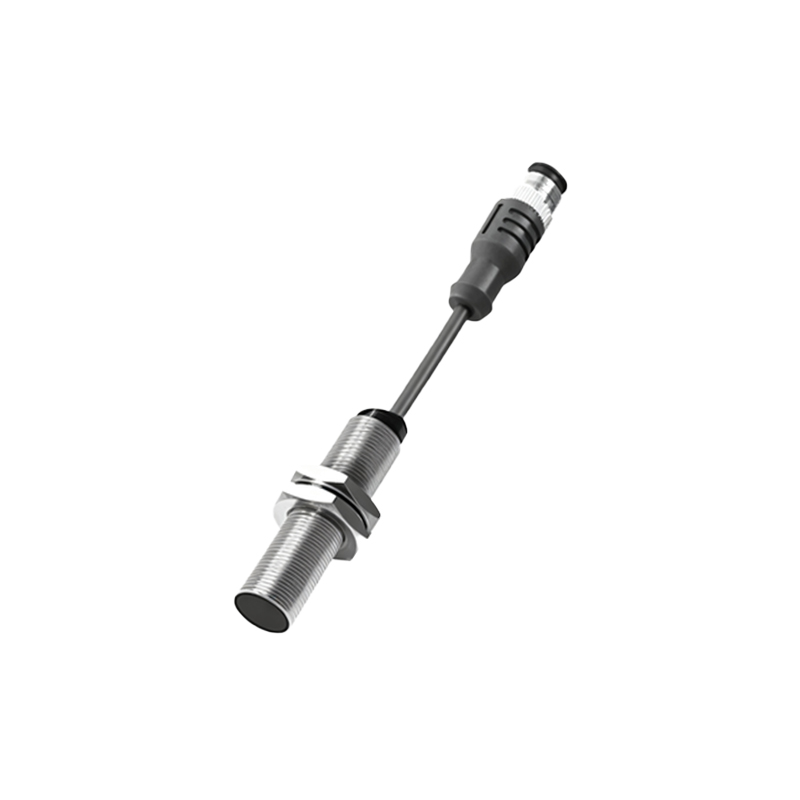
Another emerging approach involves using capacitive proximity sensors with high sensitivity settings. While glass is an insulator, it can be detected if the sensor is calibrated to sense minimal changes in capacitance caused by the glass's dielectric properties. This method requires precise tuning to avoid interference from humidity or other materials, making it ideal for controlled environments like cleanrooms or packaging lines.
In practice, selecting the right sensor depends on factors such as glass thickness, color, surface finish, and environmental conditions. For instance, tinted or frosted glass may absorb or scatter light differently, necessitating sensor adjustments. Industrial applications often integrate multiple sensors in a system to cross-verify detection, improving overall reliability. Case studies from automotive manufacturing illustrate how arrays of ultrasonic sensors inspect windshield placement on assembly lines, ensuring precise alignment before adhesive application. Similarly, in bottling plants, photoelectric sensors monitor glass containers for fill levels or breakages, leveraging high-speed response times to maintain production efficiency.
Maintenance and calibration are critical for sustained performance. Regular cleaning of sensor lenses prevents dust accumulation that could impair detection. Environmental factors like vibration, electromagnetic interference, or extreme temperatures should be mitigated through proper housing and shielding. Modern sensors with IO-Link or digital interfaces facilitate remote monitoring and diagnostics, allowing engineers to adjust parameters in real-time based on operational data.
Future trends in glass detection include the integration of machine vision and sensor fusion. Combining proximity sensors with cameras enables multi-dimensional analysis, such as detecting cracks or imperfections in glass surfaces. Additionally, smart sensors with embedded AI algorithms can adapt to varying conditions autonomously, reducing setup times and enhancing flexibility in dynamic production lines.
In summary, glass detection via proximity sensors demands a tailored approach, leveraging ultrasonic, photoelectric, or capacitive technologies based on specific industrial needs. By understanding material properties and optimizing sensor configurations, engineers can achieve high-precision detection, contributing to improved safety, quality control, and operational efficiency in sectors ranging from automotive to consumer goods. Continuous innovation in sensor design promises even greater capabilities, paving the way for more intelligent and resilient automation systems.