In the rapidly evolving landscape of industrial automation, proximity sensors have become indispensable components for enhancing efficiency, safety, and precision. Among the leading innovators in this field, Dalan proximity sensors stand out for their robust design, reliability, and advanced technological features. These sensors are widely utilized across various sectors, including manufacturing, automotive, packaging, and material handling, to detect the presence or absence of objects without physical contact. This article delves into the working principles, types, key benefits, and practical applications of Dalan proximity sensors, offering insights into why they are a preferred choice for engineers and industry professionals.
Proximity sensors operate based on electromagnetic fields, capacitive sensing, or inductive principles, depending on the target material and application requirements. Dalan specializes in inductive proximity sensors, which are particularly effective for detecting metallic objects. These sensors generate an oscillating electromagnetic field from a coil and oscillator circuit. When a metallic target enters this field, it induces eddy currents that dampen the oscillation, triggering a change in the output state. This non-contact detection method minimizes wear and tear, ensuring long operational life and reduced maintenance costs. Dalan sensors are engineered with high-quality materials and stringent manufacturing processes, providing consistent performance even in harsh industrial environments characterized by dust, moisture, or temperature fluctuations.
One of the standout features of Dalan proximity sensors is their versatility. They are available in diverse form factors, such as cylindrical, rectangular, and ring-shaped designs, catering to different installation needs. Additionally, Dalan offers sensors with varying sensing ranges, from a few millimeters to several centimeters, allowing for customization based on specific application demands. The sensors also come with multiple output options, including NPN, PNP, and analog outputs, ensuring compatibility with a wide range of control systems like PLCs (Programmable Logic Controllers) and microcontrollers. This flexibility makes Dalan sensors suitable for intricate tasks, such as position verification in assembly lines, object counting in conveyor systems, and safety interlocking in machinery.
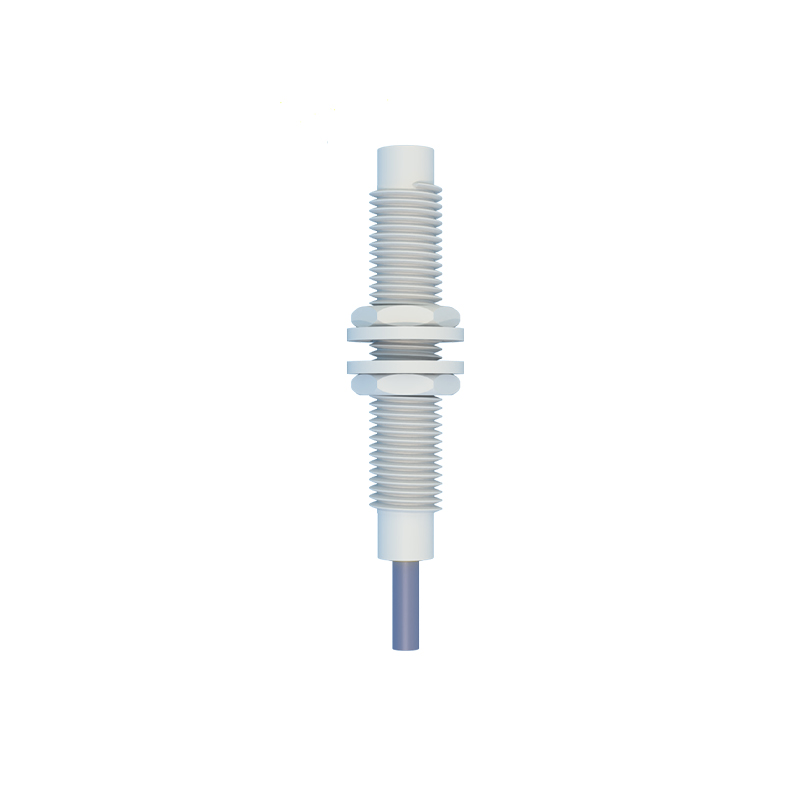
The benefits of integrating Dalan proximity sensors into industrial setups are manifold. Firstly, their non-contact nature eliminates mechanical stress, leading to higher reliability and fewer breakdowns. Secondly, they offer fast response times, often in the microsecond range, which is crucial for high-speed automation processes. Thirdly, Dalan sensors are designed with built-in protection against short-circuits, overloads, and reverse polarity, enhancing system safety. Moreover, their compact and rugged housings, often made of stainless steel or nickel-plated brass, provide resistance to corrosion and mechanical impacts. These attributes contribute to reduced downtime and improved productivity, aligning with the goals of modern smart factories and Industry 4.0 initiatives.
In practical applications, Dalan proximity sensors demonstrate exceptional performance. In the automotive industry, they are used for detecting piston positions in engines, monitoring robotic arm movements, and ensuring precise welding operations. In packaging machinery, these sensors help in label detection, fill-level control, and cap placement verification. Furthermore, in material handling systems, they facilitate pallet positioning, conveyor belt synchronization, and inventory management. The sensors' ability to operate reliably in extreme conditions—such as high temperatures near furnaces or wet environments in food processing plants—makes them a trusted solution for challenging scenarios.
Looking ahead, Dalan continues to innovate by incorporating smart features like IO-Link communication, which enables real-time data exchange and remote diagnostics. This connectivity aligns with the trend toward digitalization, allowing for predictive maintenance and optimized operational workflows. As industries increasingly adopt automation and IoT (Internet of Things) technologies, the demand for advanced proximity sensors like those from Dalan is expected to grow. Their commitment to quality, coupled with continuous research and development, positions Dalan as a key player in shaping the future of industrial sensing.
In conclusion, Dalan proximity sensors represent a blend of cutting-edge technology and practical engineering, offering solutions that enhance automation efficiency and reliability. By understanding their capabilities and applications, professionals can leverage these sensors to drive innovation and competitiveness in their respective fields. Whether for simple detection tasks or complex automated systems, Dalan sensors provide the precision and durability needed to meet the demands of today's dynamic industrial landscape.