In the realm of industrial automation, proximity switches stand as critical components for non-contact detection, ensuring seamless operations across manufacturing lines, packaging systems, and robotic applications. Redwei Sensor, a prominent name in the electrical and sensing technology sector, has carved a niche with its advanced proximity switch solutions, designed to meet the rigorous demands of modern industries. These devices, often leveraging inductive, capacitive, or magnetic principles, detect the presence or absence of objects without physical contact, thereby minimizing wear and tear and enhancing system longevity. Redwei's proximity switches are engineered for high precision, offering consistent performance even in challenging environments characterized by dust, moisture, or temperature fluctuations.
The core technology behind Redwei's proximity switches involves sophisticated sensing elements that respond to metallic or non-metallic targets, depending on the model. Inductive variants, for instance, are ideal for detecting ferrous metals, making them staples in automotive assembly and metalworking. Capacitive models, on the other hand, can sense materials like plastics, liquids, or wood, expanding their utility in food processing or pharmaceutical industries. Redwei integrates robust housing materials, such as stainless steel or nickel-plated brass, to ensure durability and resistance to corrosion, which is crucial in harsh industrial settings. Additionally, these switches feature LED indicators for easy status monitoring and adjustable sensing ranges to accommodate diverse application needs.
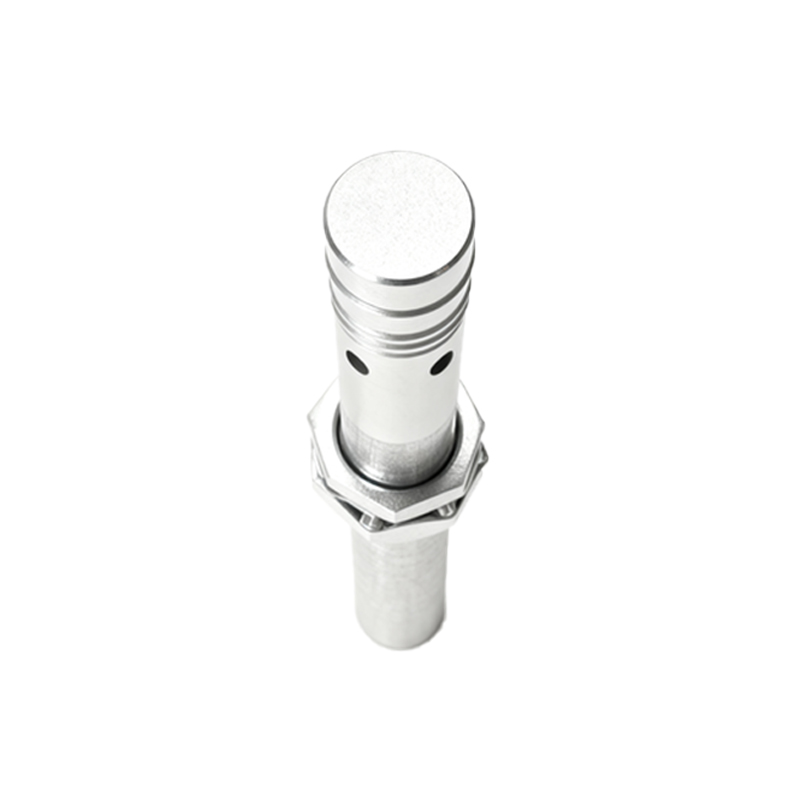
One of the standout aspects of Redwei Sensor's proximity switches is their compliance with international standards, including IP67 and IP68 ratings for ingress protection, guaranteeing reliable operation in wet or dusty conditions. The company emphasizes energy efficiency, with low-power designs that reduce overall system costs and environmental impact. In practice, these switches are deployed for tasks like position sensing, object counting, and speed monitoring, contributing to enhanced productivity and safety. For example, in conveyor belt systems, Redwei's proximity switches can detect jams or misalignments, triggering automatic shutdowns to prevent damage. Similarly, in automated machinery, they ensure precise component placement, reducing errors and downtime.
Redwei also offers customization options, allowing clients to tailor switch parameters, such as output types (PNP or NPN) and connection methods, to specific project requirements. This flexibility, coupled with rigorous quality testing, has made Redwei a trusted partner for industries ranging from aerospace to consumer electronics. As Industry 4.0 evolves, the integration of smart features, such as IoT connectivity and diagnostic capabilities, is becoming increasingly prevalent. Redwei Sensor is at the forefront of this trend, developing proximity switches with embedded sensors that provide real-time data for predictive maintenance and optimization.
In conclusion, Redwei Sensor's proximity switches exemplify innovation and reliability in industrial sensing. By combining cutting-edge technology with robust construction, they address the core challenges of automation, from accuracy to endurance. For engineers and system integrators, selecting Redwei means investing in components that not only meet today's operational demands but also adapt to future advancements. As industries continue to automate, the role of high-quality proximity switches will only grow, and Redwei is poised to lead with solutions that drive efficiency and safety.