In the fast-paced world of industrial packaging, precision, speed, and reliability are non-negotiable. At the heart of many modern packaging systems lies a critical component often overlooked: the proximity sensor. These non-contact detection devices play a pivotal role in automating processes, ensuring product quality, and minimizing downtime. This article delves into the function, types, and application best practices of proximity sensors within packaging machinery.
Proximity sensors are electronic devices designed to detect the presence or absence of an object without physical contact. They achieve this by emitting an electromagnetic field or a beam of electromagnetic radiation and monitoring for changes in the field or return signal. In packaging lines, this capability is indispensable. Common applications include detecting the position of packages on a conveyor belt, confirming the presence of a cap on a bottle, counting products, verifying correct fill levels, and ensuring precise positioning for robotic pick-and-place operations. The non-contact nature eliminates mechanical wear and tear, leading to significantly longer service life and reduced maintenance compared to mechanical limit switches.
Several types of proximity sensors are prevalent in packaging, each suited to specific materials and environmental conditions. Inductive proximity sensors are the workhorses for detecting metallic objects. They are ideal for sensing metal caps, foil seals, or the metallic components of machinery itself. For non-metallic targets—such as plastic bottles, cardboard boxes, glass containers, or liquid levels—capacitive proximity sensors are the preferred choice. They can detect virtually any material by sensing changes in capacitance. Furthermore, photoelectric sensors, which use light beams, are extensively used for long-range detection, color differentiation, or through-beam applications where a transmitter and receiver are placed opposite each other.
Selecting the right sensor requires careful consideration of several factors. The target material is paramount; using an inductive sensor on a plastic carton would be ineffective. Environmental challenges like dust, moisture, vibration, and temperature fluctuations common in packaging plants must be addressed by choosing sensors with appropriate Ingress Protection (IP) ratings and robust housings. Response time is critical in high-speed lines; a sensor must be fast enough to detect objects at the line's maximum throughput. Finally, the sensing range and mounting constraints dictate the physical size and model of the sensor.
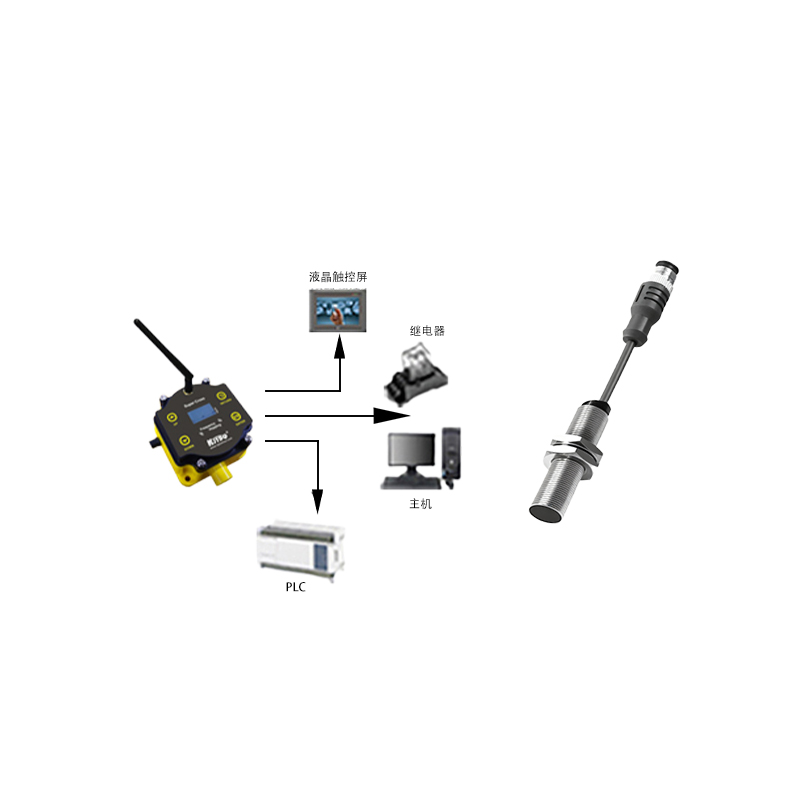
Proper installation and integration are as crucial as selection. Sensors must be mounted securely to withstand constant vibration. Alignment is critical, especially for photoelectric types, to avoid false triggers. Electrical noise from motors and variable frequency drives (VFDs) can interfere with sensor signals, necessitating proper shielding, grounding, and the use of sensors with noise immunity. Regular preventive maintenance, including lens cleaning for optical sensors and checking for mechanical damage, ensures consistent performance.
The integration of smart sensors with Industrial Internet of Things (IIoT) platforms represents the future. Modern proximity sensors can provide diagnostic data, such as operating hours, temperature readings, and output switch counts, enabling predictive maintenance. This connectivity allows operators to anticipate failures before they cause unplanned stoppages, pushing overall equipment effectiveness (OEE) to new heights.
In conclusion, proximity sensors are fundamental enablers of automation in packaging machinery. Their ability to provide reliable, non-contact detection directly impacts line efficiency, product quality, and operational cost. By understanding the different sensor technologies and adhering to best practices in selection, installation, and maintenance, packaging engineers can design and sustain systems that meet the relentless demands of modern production. Investing in the right sensing technology is not merely a component choice—it is a strategic decision for building a resilient and competitive packaging operation.