In the realm of industrial automation, safety light curtains and proximity sensors are critical components for ensuring worker protection and operational efficiency. These devices, designed to detect the presence of objects or personnel within hazardous zones, vary significantly in cost based on several key factors. Understanding these variables is essential for engineers and procurement specialists aiming to balance budget constraints with safety and performance requirements.
First, the type and complexity of the sensor play a major role in determining price. Basic proximity sensors, such as inductive or capacitive models, are generally more affordable, with prices ranging from $50 to $200 per unit depending on features like sensing range and output type. In contrast, safety light curtains, which create an invisible infrared barrier to safeguard machinery, are more expensive due to their advanced technology. A simple two-beam system might start around $500, while high-resolution, multi-beam configurations can exceed $2,000 per unit. The cost increases with added functionalities, such as muting or blanking capabilities, which allow temporary suspension of the safety field for material handling without compromising overall safety.
Second, certification and compliance standards heavily influence expenses. Devices that meet rigorous international safety standards, such as ISO 13849, IEC 61496, or OSHA regulations, often come at a premium. For instance, a safety light curtain certified for Performance Level (PL) d or e under ISO 13849 may cost 20-30% more than a non-certified alternative. This investment is crucial, as non-compliant equipment can lead to costly fines, legal liabilities, and workplace accidents. Engineers must prioritize certified products to ensure regulatory adherence and reduce long-term risks.
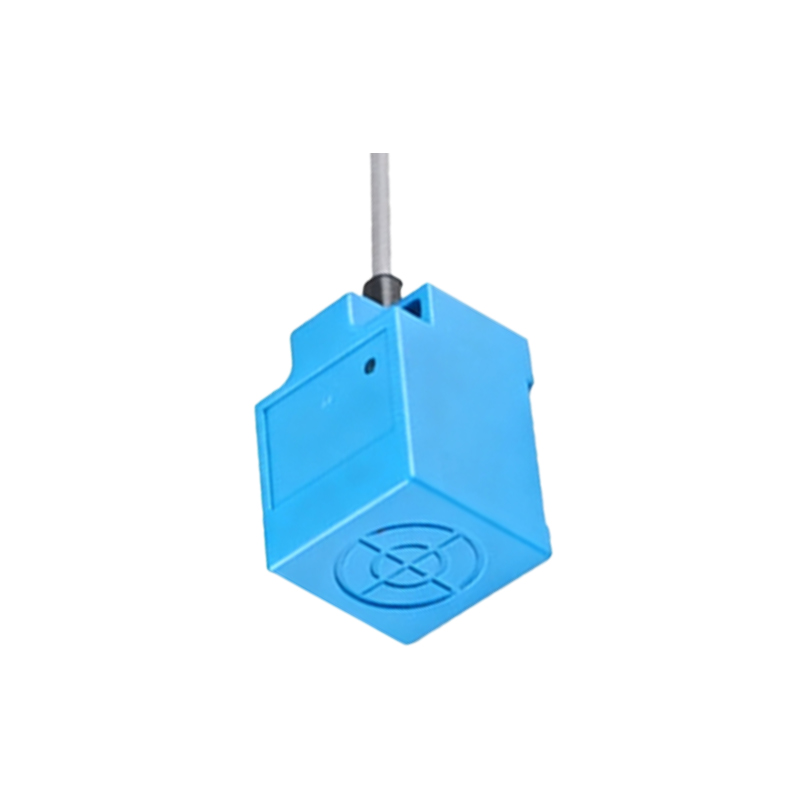
Third, environmental and application-specific requirements drive up costs. Sensors deployed in harsh conditions—such as extreme temperatures, high humidity, or corrosive atmospheres—require robust enclosures rated IP67 or higher, adding to the base price. Similarly, specialized industries like automotive manufacturing or pharmaceuticals may need custom-designed sensors with enhanced durability or hygiene features, further escalating expenses. Proximity sensors with extended sensing ranges or immunity to electromagnetic interference also command higher prices, typically ranging from $100 to $400 based on specifications.
Fourth, integration and installation costs are often overlooked but significant. Safety light curtains necessitate precise alignment, wiring, and integration with control systems like PLCs or safety relays. Professional installation by certified technicians can add $200 to $1,000 per project, depending on complexity. Additionally, ongoing maintenance, calibration, and spare parts contribute to the total cost of ownership. Opting for brands with reliable technical support and warranties, though initially more expensive, can reduce downtime and repair costs over time.
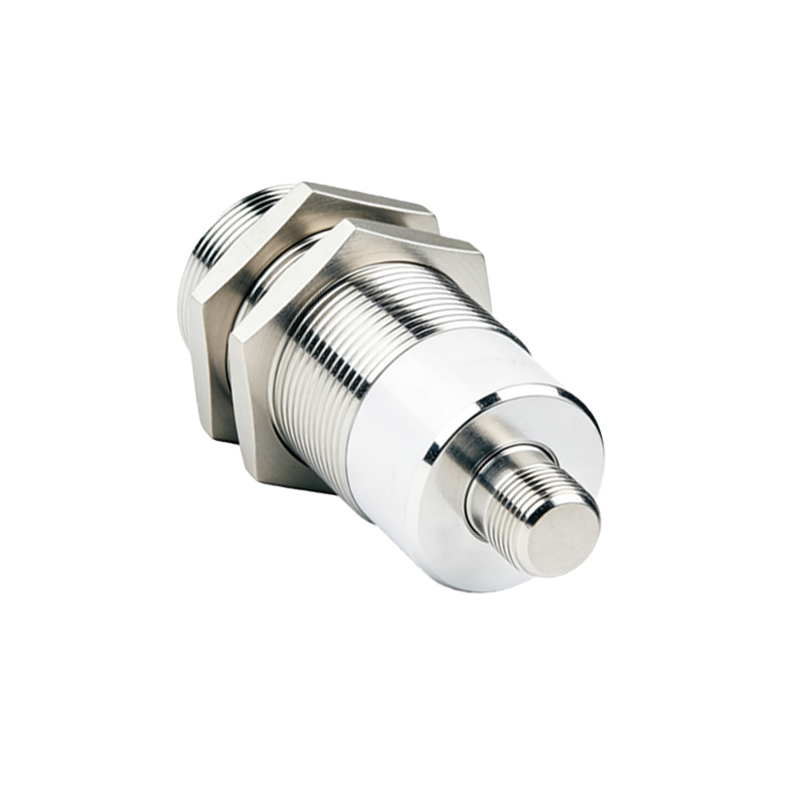
Lastly, market dynamics and supplier choices impact pricing. Established manufacturers like SICK, Banner Engineering, or Keyence offer premium products with higher price tags, often justified by superior quality and innovation. Conversely, generic or lesser-known brands may provide cost-effective alternatives but with potential compromises in reliability or longevity. Bulk purchasing for large-scale installations can lead to discounts of 10-15%, making it advisable to plan procurement strategically.
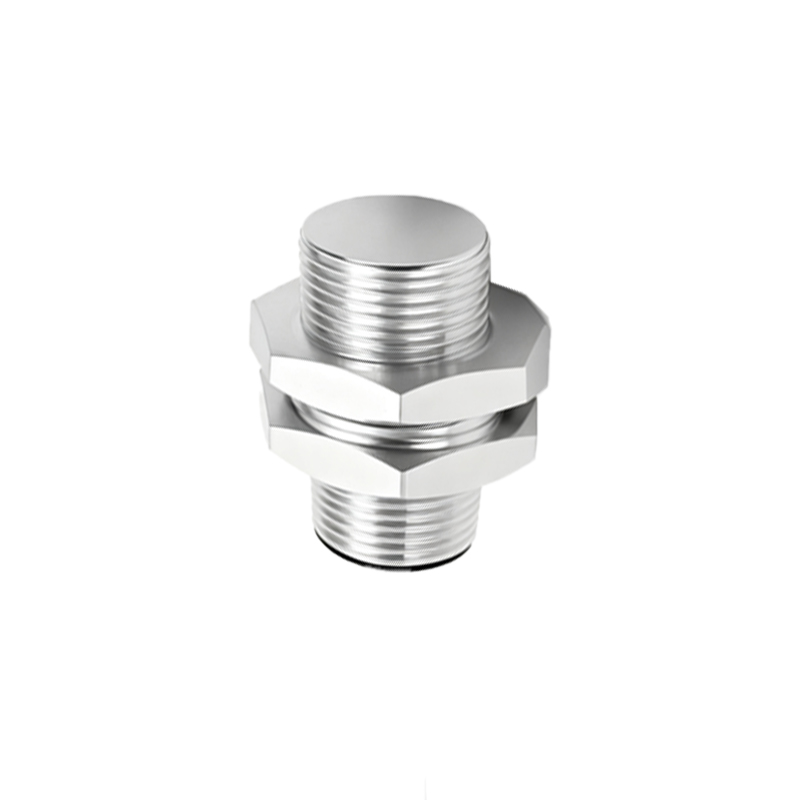
In summary, the cost of safety light curtains and proximity sensors is not a fixed figure but a reflection of technical specifications, compliance needs, environmental factors, and integration efforts. By carefully assessing these elements, engineers can make informed decisions that optimize safety and cost-efficiency in industrial settings.