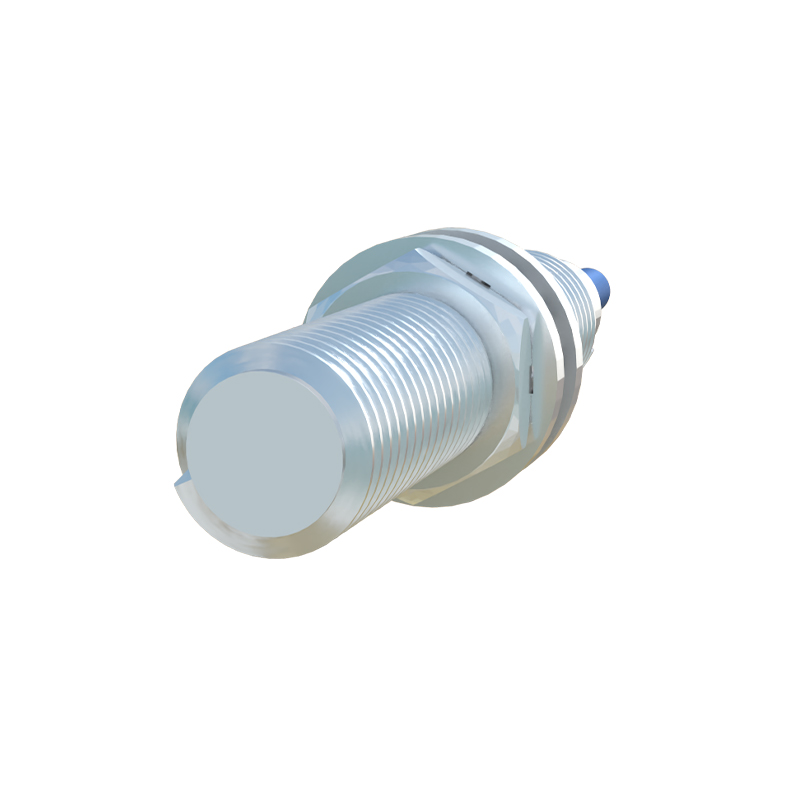
Power consumption is a critical factor in the design and application of proximity sensors, especially in modern industrial and IoT systems where energy efficiency directly impacts operational costs, battery life, and thermal management. As an electrical engineer, it's essential to grasp the fundamentals of how these sensors draw power, the variables affecting their energy use, and strategies for optimization.
Proximity sensors, including inductive, capacitive, photoelectric, and ultrasonic types, operate by emitting a field or beam and detecting changes caused by nearby objects. Their power consumption typically consists of two main components: static (or quiescent) power and dynamic (or active) power. Static power is drawn when the sensor is idle but powered on, maintaining internal circuitry and readiness. Dynamic power occurs during sensing cycles, when the emitter is active and the receiver processes signals. For instance, an inductive proximity sensor might consume 10-20 mA during detection but only 1-2 mA in standby, highlighting the significance of duty cycle management.
Several key factors influence power draw. Sensor technology plays a major role; photoelectric sensors often require more power due to light emission, while capacitive sensors may be more efficient in low-power modes. Operating voltage and current ratings, as specified in datasheets, determine baseline consumption. Environmental conditions, such as temperature extremes, can increase power needs as circuits compensate for drift. Additionally, output configuration (e.g., digital vs. analog) and communication interfaces (like IO-Link or wireless protocols) add to the load, with smart sensors offering power-saving features at the cost of higher complexity.
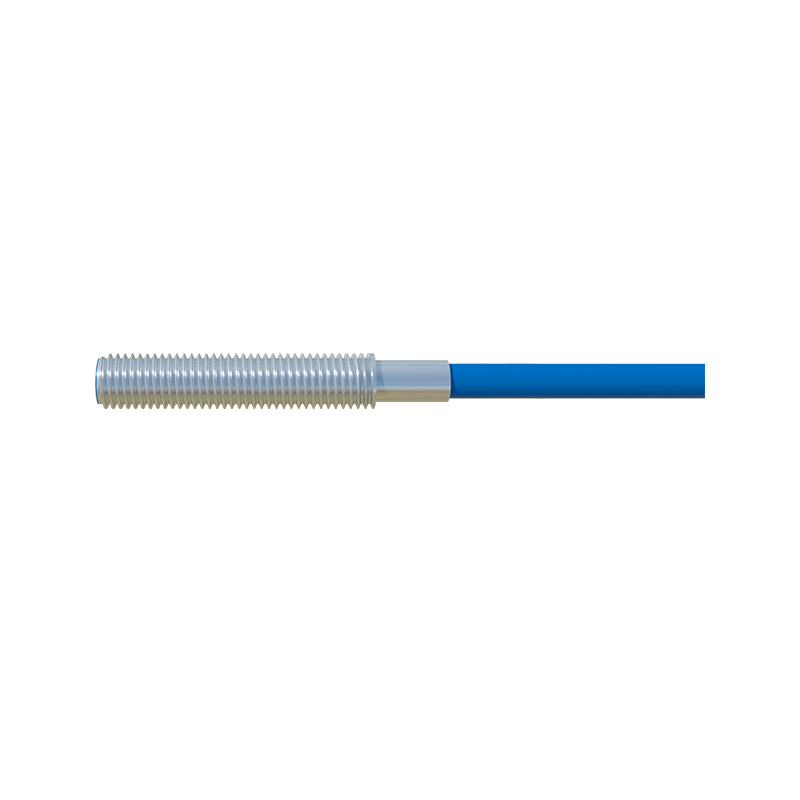
To minimize power consumption, engineers can adopt multiple strategies. Selecting sensors with low-power modes or programmable duty cycles allows them to activate only when needed, reducing average current. Proper installation and calibration prevent false triggers that waste energy. In battery-powered applications, using pulsed operation or sleep modes can extend lifespan significantly. For example, a sensor might operate at 100 mA for 10 ms every second, averaging just 1 mA, compared to continuous operation at 50 mA. Furthermore, integrating power management ICs or leveraging energy-harvesting techniques in wireless setups can enhance efficiency.
In practice, calculating total power use involves considering the sensor's specifications, duty cycle, and ancillary components. A typical formula is: Average Power (W) = (Active Current × Active Time + Standby Current × Standby Time) × Voltage / Total Time. By analyzing this, engineers can balance performance with energy constraints, ensuring reliability without excess drain. As industries move toward greener solutions and longer-lasting devices, optimizing proximity sensor power consumption remains a vital skill, blending theoretical knowledge with hands-on design to achieve sustainable, cost-effective automation.