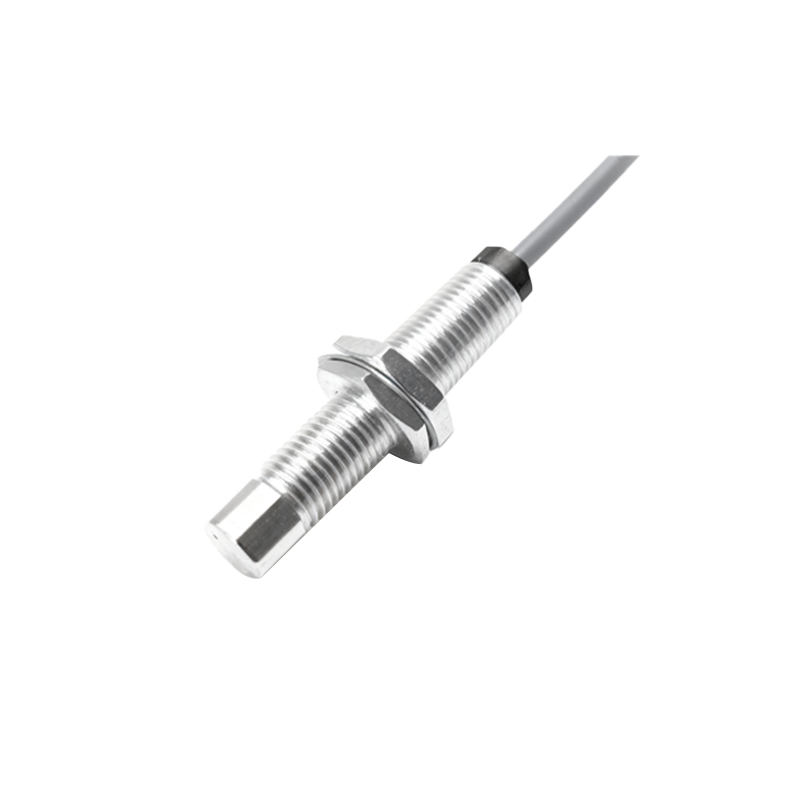
In the realm of modern electrical engineering, proximity and distance sensors have become indispensable components across a wide array of applications, from industrial automation and robotics to consumer electronics and automotive systems. These sensors, designed to detect the presence, absence, or position of an object without physical contact, rely on various physical principles to deliver precise and reliable data. Understanding their operational mechanisms, types, and selection criteria is crucial for engineers aiming to optimize system performance and efficiency.
Proximity sensors are primarily used to detect the presence of an object within a specified range. They operate based on electromagnetic fields, capacitance, or light. Inductive proximity sensors, for instance, generate an electromagnetic field and detect changes caused by metallic objects. They are highly valued in industrial settings for their durability and resistance to environmental factors like dust or moisture. Capacitive proximity sensors, on the other hand, can detect both metallic and non-metallic materials by sensing changes in capacitance. These are often employed in liquid level detection or material handling. Photoelectric sensors utilize light beams to detect objects, offering longer sensing ranges and versatility in detecting various materials, including transparent ones.
Distance sensors, also known as range sensors, measure the exact distance to an object. Common technologies include ultrasonic, infrared (IR), and laser-based sensors. Ultrasonic sensors emit sound waves and calculate distance based on the time taken for the echo to return. They are effective in environments with obstacles or varying lighting conditions, making them suitable for applications like parking assistance or tank level monitoring. Infrared sensors use IR light to measure distance, often through triangulation or time-of-flight methods. They are compact and cost-effective, commonly found in devices like smartphones or robotics. Laser sensors, such as LiDAR, provide high accuracy and speed, essential for autonomous vehicles, surveying, and precision manufacturing.
The selection of an appropriate sensor depends on several factors. Engineers must consider the sensing range, required accuracy, response time, environmental conditions, and target material. For example, in a high-speed assembly line, a fast-response inductive sensor might be preferred, while in a dusty warehouse, an ultrasonic sensor could offer better reliability. Additionally, integration with control systems, such as PLCs or microcontrollers, requires attention to output signals (e.g., analog, digital) and communication protocols.
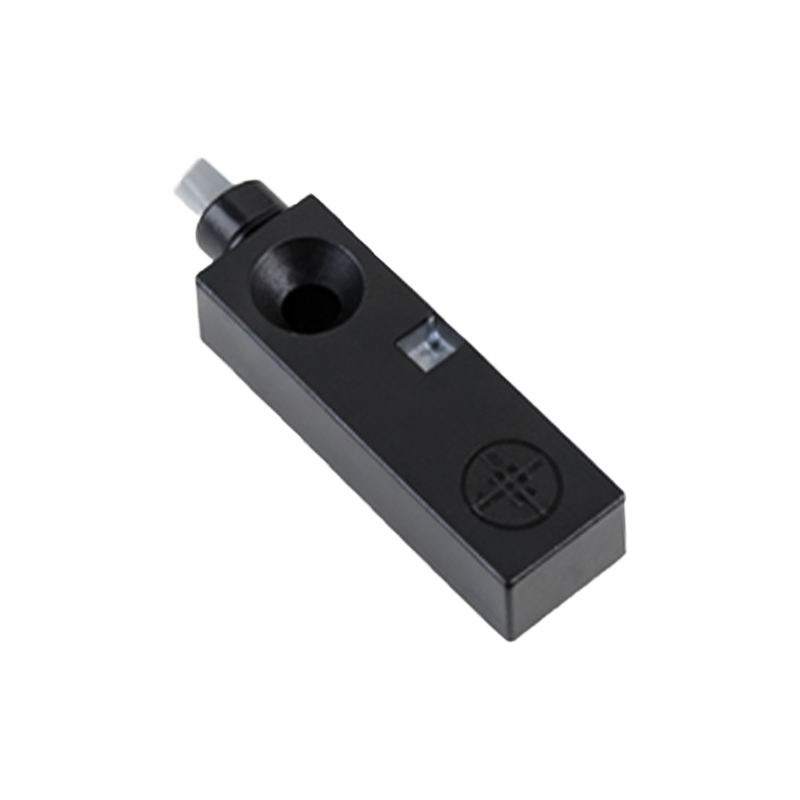
Advancements in sensor technology continue to drive innovation. Smart sensors with embedded microprocessors enable self-diagnosis, calibration, and data processing, reducing maintenance needs. The integration of IoT connectivity allows for real-time monitoring and predictive analytics, enhancing operational efficiency in smart factories and infrastructure. Moreover, miniaturization and energy-efficient designs are expanding applications in wearable devices and mobile robotics.
In conclusion, proximity and distance sensors are critical enablers of automation and precision in electrical engineering. By leveraging their diverse capabilities, engineers can design systems that are safer, more efficient, and adaptive to complex environments. As technology evolves, these sensors will play an even greater role in shaping the future of intelligent systems and Industry 4.0 initiatives.