In the realm of industrial automation and control systems, the precise positioning of proximity sensors is paramount to ensuring operational efficiency, safety, and reliability. FOTEK proximity sensors, known for their robustness and accuracy, play a critical role in various applications, from manufacturing lines to machinery monitoring. This article delves into the key considerations for positioning FOTEK proximity sensors, highlighting best practices and common pitfalls to avoid.
Proximity sensors, including inductive, capacitive, and photoelectric types from FOTEK, detect the presence or absence of objects without physical contact. Their positioning directly impacts performance factors such as sensing range, response time, and environmental resilience. For inductive sensors, commonly used for metal detection, the sensor must be placed within its specified sensing distance from the target material. Typically, this ranges from a few millimeters to several centimeters, depending on the model. Misalignment or excessive distance can lead to false triggers or missed detections, disrupting automated processes.
When installing FOTEK proximity sensors, engineers should first assess the operating environment. Factors like temperature fluctuations, humidity, vibration, and electromagnetic interference (EMI) can affect sensor functionality. For instance, in high-vibration settings, sensors should be mounted securely using brackets or shock-absorbing materials to prevent displacement. Additionally, maintaining a clear line of sight for photoelectric sensors is crucial; dust, debris, or obstructions can attenuate the signal, reducing effectiveness.
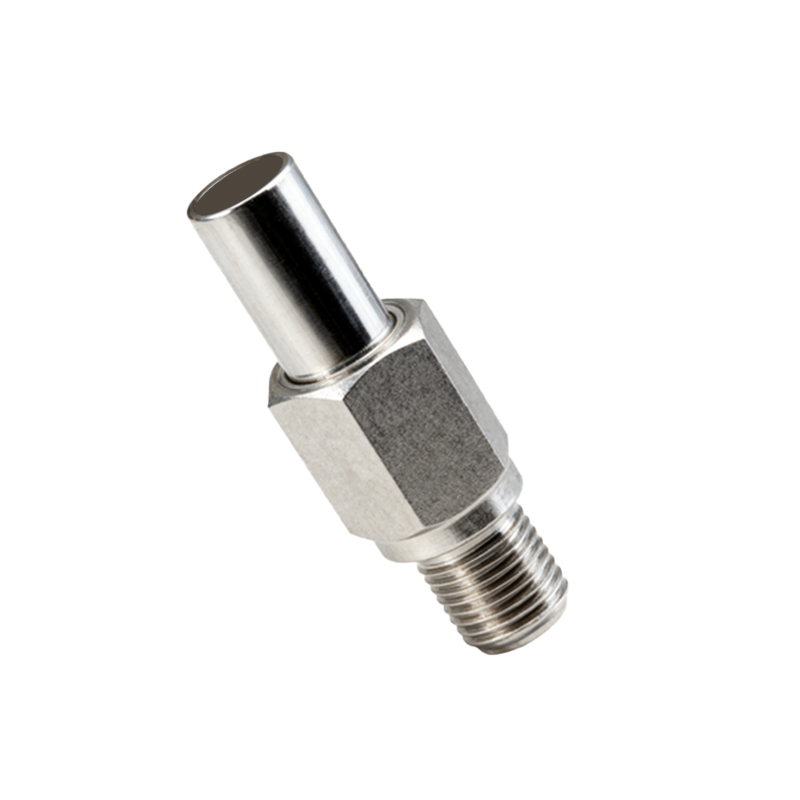
Another critical aspect is the target material and size. Inductive sensors are sensitive to ferrous and non-ferrous metals, but their sensing range varies with material composition. FOTEK provides detailed datasheets specifying correction factors for different metals. Positioning the sensor too close to non-target metals or large metallic structures can cause interference, so it's advisable to maintain a buffer zone. For capacitive sensors, used for non-metallic objects, the dielectric constant of the target influences positioning—closer placement may be needed for materials with low permittivity.
In conveyor systems or robotic arms, dynamic positioning becomes essential. FOTEK sensors should be angled or offset to account for object movement speed and trajectory. For example, in packaging lines, sensors are often positioned at a slight incline to detect items passing by without direct impact. Regular calibration and testing, using tools like oscilloscopes or multimeters, help verify alignment and adjust positions as wear or environmental changes occur.
Safety considerations cannot be overlooked. Positioning sensors in hazardous areas, such as near high-voltage equipment or explosive atmospheres, requires adherence to standards like IECEx or ATEX. FOTEK offers intrinsically safe models that must be installed according to manufacturer guidelines, with proper sealing and grounding to prevent accidents.
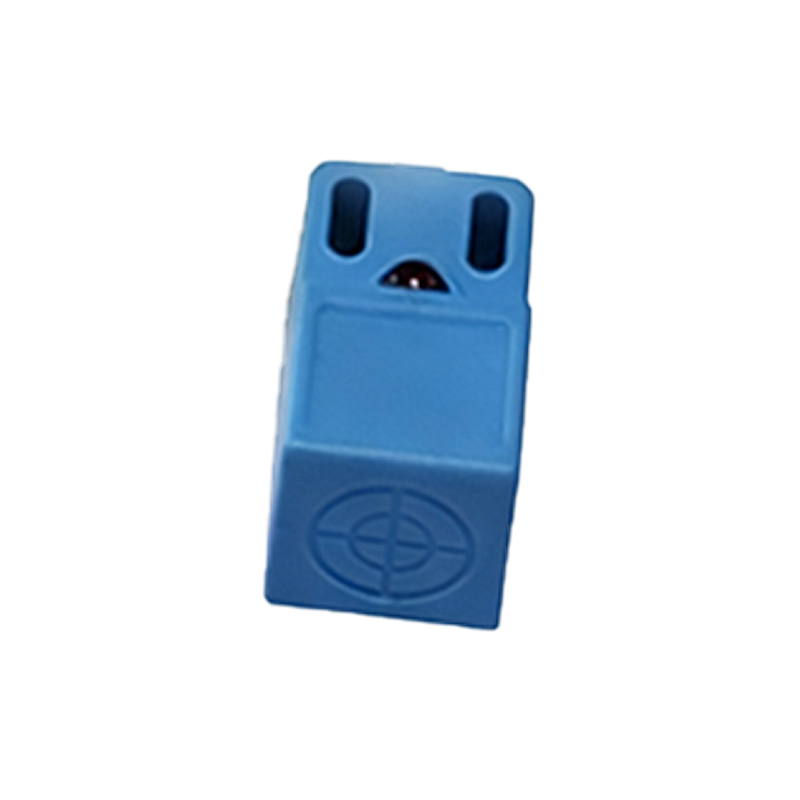
Maintenance and accessibility are also key. Sensors placed in hard-to-reach locations may lead to downtime during repairs. Engineers should design layouts that allow for easy inspection and replacement, perhaps using modular mounts or extension cables. Documenting positions in system blueprints aids in troubleshooting and future upgrades.
In summary, optimal positioning of FOTEK proximity sensors hinges on a thorough understanding of sensor specifications, environmental conditions, target properties, and application dynamics. By following these principles, industries can enhance automation precision, reduce errors, and extend sensor lifespan, ultimately boosting productivity and safety.