In the realm of industrial automation and precision measurement, proximity sensors are indispensable components for detecting the presence or absence of objects without physical contact. Among the diverse technologies available, piezoelectric proximity switches represent a sophisticated and highly reliable solution, particularly in challenging environments. This article delves into the operational principles, key applications, and distinct advantages of piezoelectric proximity sensors, offering insights for engineers and system designers.
At its core, a piezoelectric proximity sensor operates on the direct piezoelectric effect. This phenomenon, discovered by Jacques and Pierre Curie in 1880, describes the ability of certain materials—such as quartz, lead zirconate titanate (PZT), or barium titanate—to generate an electrical charge in response to applied mechanical stress. In a typical sensor configuration, a piezoelectric element is coupled with an oscillator circuit. When an object approaches the sensor's active surface, it induces minute mechanical vibrations or changes in pressure on the piezoelectric crystal. This mechanical disturbance is converted into a measurable electrical signal. An integrated evaluation circuit then processes this signal, triggering a switch output (e.g., a relay or transistor) when the signal strength exceeds a predefined threshold, indicating the object's presence within the detection range.
The unique operating principle of piezoelectric proximity switches confers several notable characteristics. Firstly, they are inherently self-generating, meaning they do not require an external power source to produce the sensing signal, though they do need a small supply for the evaluation electronics. This contributes to low power consumption. Secondly, they exhibit excellent high-frequency response, capable of detecting very rapid changes or vibrations. Furthermore, piezoelectric sensors are renowned for their robustness and durability. The sensing element itself has no moving parts in the traditional sense, making it highly resistant to wear, shock, and vibration. It can also operate reliably across an extreme temperature range, from cryogenic levels to several hundred degrees Celsius, and is generally immune to common industrial interferences like dust, oil, moisture, and electromagnetic fields.
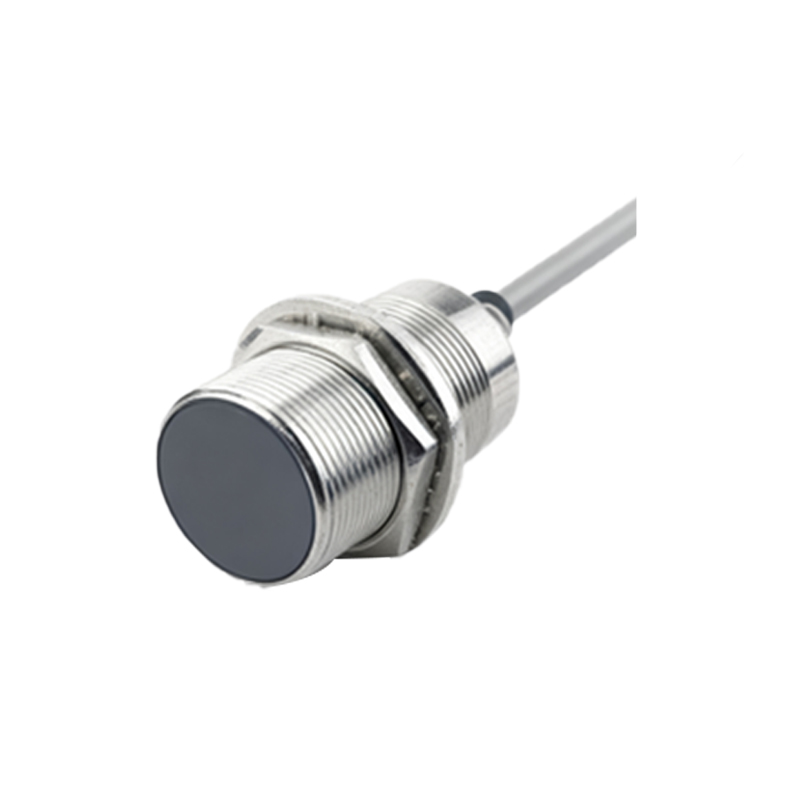
These attributes make piezoelectric proximity sensors ideal for a wide array of demanding applications. In automotive manufacturing, they are used for precise part positioning, robotic arm end-effector sensing, and monitoring assembly line vibrations. Within the aerospace sector, they play a critical role in monitoring blade tip clearance in jet engines and detecting structural vibrations. Process industries, such as chemical and pharmaceutical plants, utilize them for non-invasive level detection in aggressive media or high-pressure vessels. They are also prevalent in packaging machinery for counting, sorting, and detecting thin materials like foils or papers. An emerging application is in condition monitoring and predictive maintenance, where these sensors detect abnormal vibrations in rotating machinery like pumps, turbines, and motors, allowing for early fault detection.
When selecting a piezoelectric proximity switch, engineers must consider several parameters. The sensing range is typically shorter than that of inductive or capacitive sensors, often limited to a few millimeters, making them suitable for precise, close-range detection. The output type (PNP/NPN, NO/NC) must be compatible with the control system (PLC). Environmental factors such as the required ingress protection (IP) rating, temperature stability, and chemical resistance of the housing material are crucial. The resonant frequency and sensitivity of the piezoelectric element should match the expected vibration or pressure change profile of the target application.
Compared to other proximity sensing technologies, piezoelectric switches offer unique trade-offs. Inductive sensors are excellent for detecting metals but are ineffective with non-metals. Capacitive sensors can detect both metallic and non-metallic materials but are more susceptible to environmental humidity and contamination. Ultrasonic sensors offer longer ranges but may have slower response times and can be affected by temperature gradients and air turbulence. Piezoelectric sensors excel in environments where robustness, high-temperature operation, and sensitivity to dynamic mechanical changes are paramount, albeit with a typically shorter, more precise detection zone.
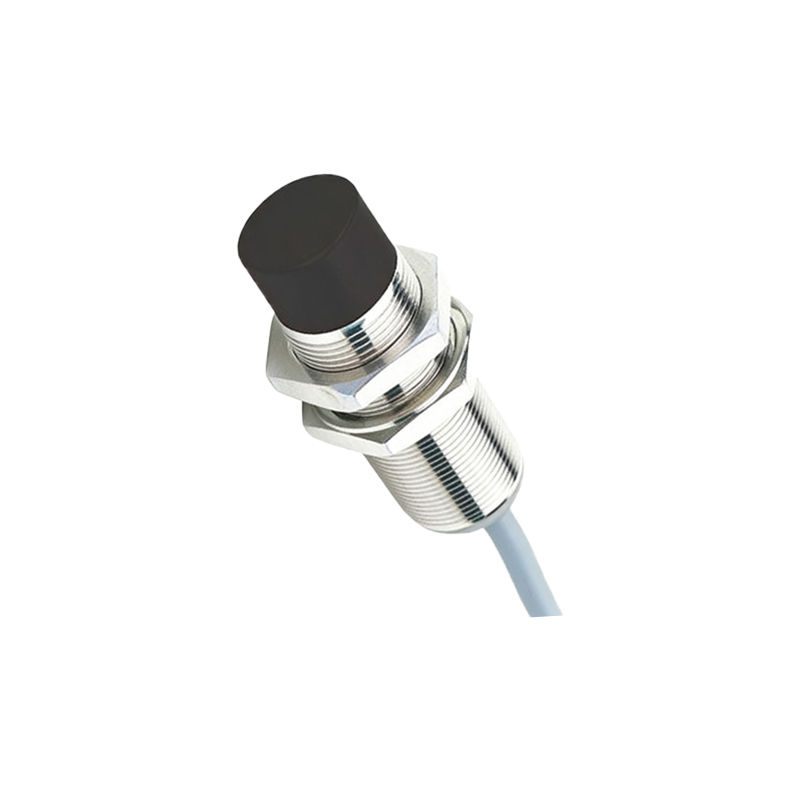
In conclusion, piezoelectric proximity sensors are a specialized and powerful tool in the sensor technology arsenal. Their ability to convert mechanical energy directly into electrical signals enables reliable, maintenance-free operation in harsh and demanding conditions. For engineers designing systems that require precise detection of vibration, pressure change, or presence in extreme environments, understanding and leveraging the capabilities of piezoelectric proximity switches is key to enhancing system reliability, efficiency, and longevity. As material science and microelectronics advance, we can anticipate further miniaturization, increased sensitivity, and smarter integrated diagnostics in future generations of these versatile devices.