In the realm of industrial automation, proximity switch sensors stand as pivotal components, often operating behind the scenes to ensure seamless, efficient, and safe operations. These non-contact sensors detect the presence or absence of objects without physical interaction, leveraging electromagnetic fields, infrared light, or ultrasonic waves. Their significance spans across manufacturing lines, robotics, automotive assembly, and countless other sectors where precision, reliability, and durability are non-negotiable.
Proximity sensors primarily function by emitting a field or beam and monitoring changes in its return signal. Inductive proximity switches, for instance, generate an electromagnetic field to detect metallic objects. When a metal target enters this field, it induces eddy currents, causing the sensor to trigger an output signal. This makes them ideal for harsh environments with dust, oil, or moisture, where mechanical switches might fail. Capacitive variants, on the other hand, can sense both metallic and non-metallic materials—like plastics, liquids, or wood—by detecting changes in capacitance. Ultrasonic and photoelectric proximity sensors offer extended ranges and are suited for applications requiring detection of varied materials or precise distance measurement.
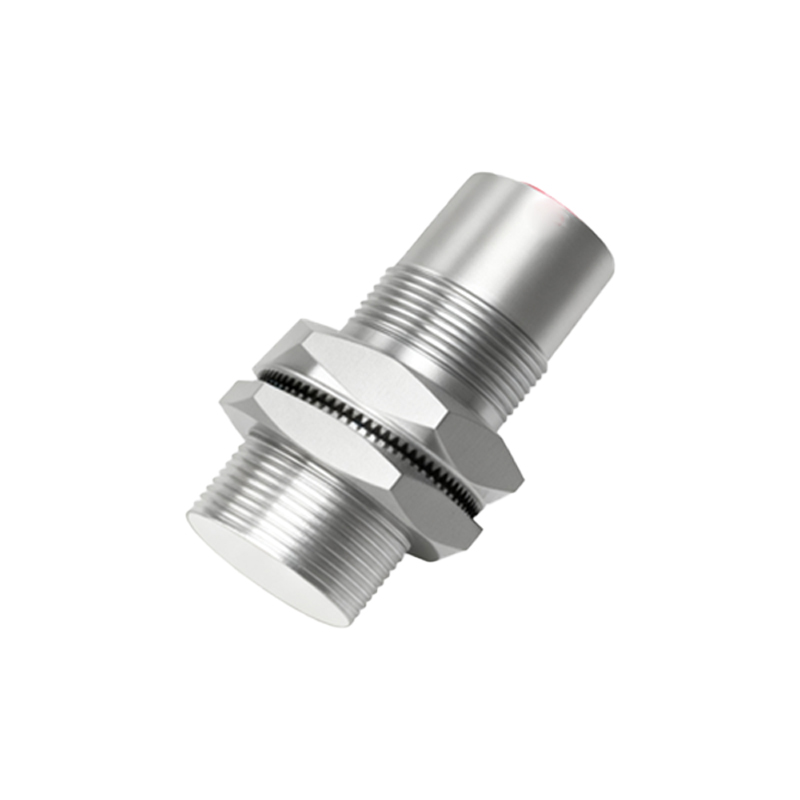
The role of proximity switches in modern industry cannot be overstated. They serve as critical inputs for programmable logic controllers (PLCs), enabling automated decision-making. For example, in conveyor systems, these sensors detect product positions to control sorting, counting, or packaging processes. In robotics, they provide feedback for arm positioning or object handling, preventing collisions and enhancing accuracy. Safety is another cornerstone application; proximity sensors are integral to machine guarding systems, halting equipment when a human or obstacle encroaches on a danger zone, thereby reducing workplace accidents.
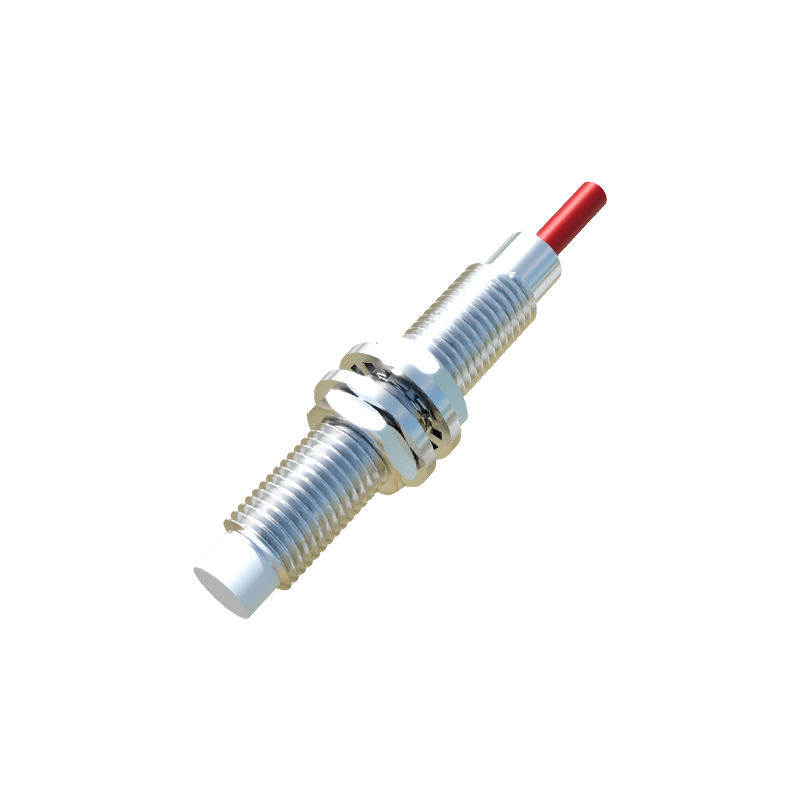
Durability and low maintenance are hallmarks of proximity sensors. With no moving parts subject to wear, they boast long operational lifespans, even in demanding conditions involving vibration, temperature extremes, or corrosive substances. Their solid-state design minimizes downtime and replacement costs, contributing to overall operational efficiency. Moreover, advancements in technology have led to miniaturized sensors with enhanced sensitivity and faster response times, catering to the evolving needs of high-speed automation and IoT-integrated smart factories.
When selecting a proximity sensor, engineers must consider factors such as sensing range, material composition of targets, environmental conditions, and output type (e.g., NPN, PNP, or analog). Proper installation and shielding are also crucial to avoid interference from adjacent sensors or electrical noise. As industries embrace Industry 4.0, these sensors are increasingly equipped with connectivity features, enabling real-time data collection and predictive maintenance, thus driving smarter, more responsive manufacturing ecosystems.
In summary, proximity switch sensors are indispensable tools in the automation toolkit. Their ability to provide reliable, non-contact detection enhances productivity, ensures safety, and supports the relentless push toward industrial innovation. As technology progresses, their applications will only expand, solidifying their status as foundational elements in the automated world.