In the rapidly evolving landscape of industrial automation, proximity sensors stand as critical components for enabling non-contact detection, ensuring efficiency, safety, and precision. Selecting the right supplier is paramount, as sensor performance directly impacts machine reliability and production outcomes. This article explores leading global brands that dominate the supply of high-quality proximity sensors, detailing their technological strengths and typical applications.
First among equals is Sick AG, a German powerhouse renowned for innovation and robustness. Sick's inductive, capacitive, and photoelectric proximity sensors are engineered for harsh environments, featuring high switching frequencies and exceptional resistance to environmental interference. Their products are staples in automotive manufacturing and packaging lines, where durability and accuracy are non-negotiable. The brand's focus on Industry 4.0 compatibility, with IO-Link and advanced diagnostics, makes it a forward-thinking choice for smart factories.
Another European leader, Pepperl+Fuchs, excels in sensor technology for process and factory automation. With a deep heritage in intrinsic safety and explosion-proof designs, their proximity sensors are indispensable in hazardous areas like chemical plants. The company offers an extensive portfolio, including cylindrical and rectangular housings with varied sensing ranges. Pepperl+Fuchs is particularly noted for its high-quality manufacturing standards and comprehensive technical support, providing reliable solutions for complex material handling and logistics systems.
From Japan, Omron Corporation is a globally trusted name. Omron's proximity sensors are celebrated for their miniaturization, energy efficiency, and longevity. The E2E and E2K series, for instance, are industry benchmarks for compact inductive sensors with stable detection capabilities. Omron integrates advanced features like weld-field immunity and embedded diagnostics, catering to high-speed assembly and robotics. Their strong distribution network ensures readily available supply and responsive service worldwide.
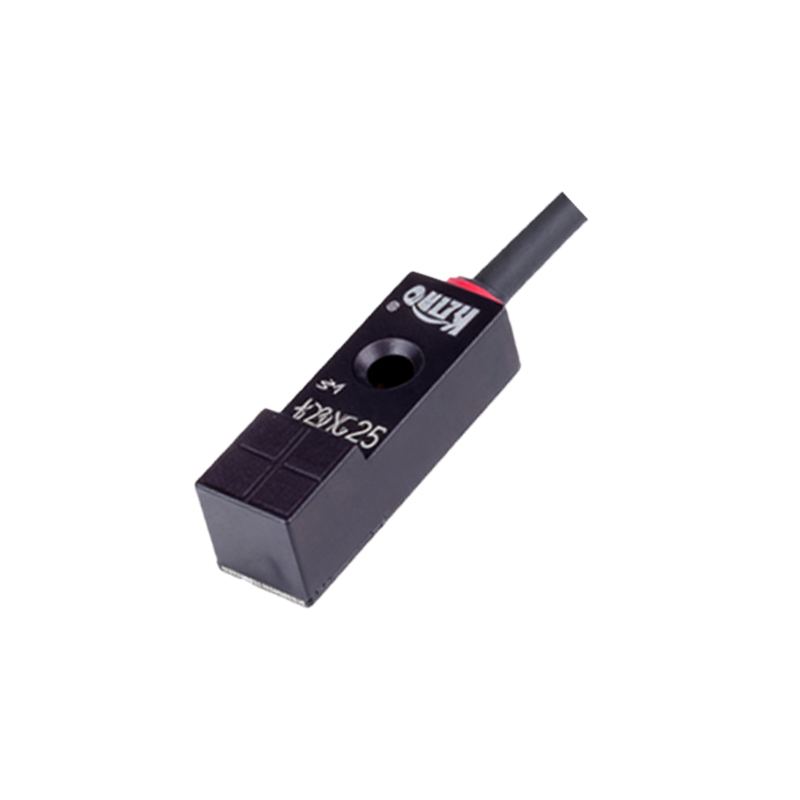
The Swiss-based Baumer Group emphasizes precision and customization. Baumer's sensors are known for superior mechanical design and high repeat accuracy, making them ideal for semiconductor fabrication and medical device manufacturing. Their product lines include innovative solutions like analog inductive sensors for precise distance measurement and ultra-compact models for space-constrained installations. Baumer’s commitment to customer-specific adaptations strengthens its position in niche, high-tech markets.
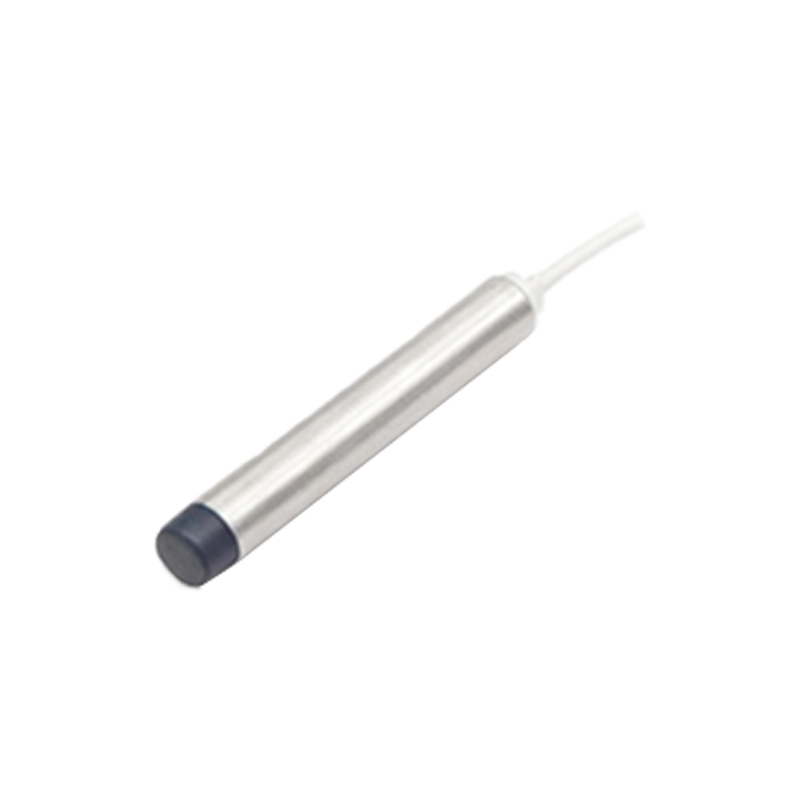
Rockwell Automation (Allen-Bradley) represents a key player from North America, offering sensors deeply integrated with its control systems. Their proximity sensors, such as the 871F series, are designed for seamless connectivity within the Logix ecosystem, simplifying wiring and programming. This brand is a go-to for industries seeking a unified automation architecture, particularly in food and beverage or automotive sectors in the Americas. Rockwell emphasizes ruggedness and ease of maintenance, supporting high-uptime requirements.
IFM Electronic, another German specialist, stands out for its system-oriented approach and user-friendly design. IFM sensors often incorporate condition monitoring features, alerting users to potential failures before they cause downtime. Their broad range includes inductive, capacitive, and magnetic sensors with robust housing (e.g., stainless steel) for aggressive media. IFM's strength lies in providing complete solutions for mobile machinery and heavy industry, enhancing overall equipment effectiveness.
When evaluating suppliers, engineers must consider several factors beyond brand reputation. Sensing technology (inductive for metals, capacitive for non-metals, magnetic for cylinders) must match the application. Environmental ratings (IP67, IP69K) are crucial for resistance to dust, water, and chemicals. Electrical characteristics like output type (PNP/NPN) and voltage range must align with the control system. Additionally, form factor and mounting options can dictate suitability for tight spaces. Supply chain reliability, technical documentation quality, and local support are equally vital for minimizing lifecycle costs.
Emerging trends are shaping the future of proximity sensor supply. The integration of IIoT connectivity allows sensors to transmit operational data to cloud platforms for predictive analytics. Miniaturization continues, enabling more sensors per machine without sacrificing performance. There is also a growing demand for multi-functional sensors that combine detection with measurement or identification tasks. Brands investing in these innovations are likely to lead the next wave of industrial automation.
In conclusion, the supply of proximity sensors is dominated by established brands that combine engineering excellence with deep industry knowledge. Sick, Pepperl+Fuchs, Omron, Baumer, Rockwell Automation, and IFM each offer distinct advantages, from ruggedness and safety to precision and smart connectivity. The optimal choice depends on specific technical requirements, environmental conditions, and integration needs. By partnering with these reputable suppliers, engineers can build resilient, efficient, and future-ready automated systems that drive productivity and competitive advantage in a demanding industrial world.