In industrial automation and control systems, proximity sensors play a critical role in detecting the presence or absence of objects without physical contact. A common operational issue encountered by engineers and maintenance personnel is the unexpected reduction in the sensor's nominal sensing distance. This phenomenon, where a sensor triggers at a closer range than specified, can lead to machine malfunctions, production stoppages, and safety concerns. Understanding the root causes and implementing effective corrective measures is essential for maintaining system reliability.
Several technical factors can contribute to a diminished sensing range. First and foremost is sensor degradation and aging. Over extended operational periods, the internal electronic components, particularly the oscillator coil in inductive sensors or the infrared LED in photoelectric variants, can experience performance decay. This natural wear reduces the energy output or sensitivity, effectively shrinking the detection field. Environmental contamination is another predominant cause. The accumulation of metallic dust, chips, or grease on the active face of an inductive proximity sensor can dampen its electromagnetic field. Similarly, dirt, oil film, or condensation on the lens of a photoelectric sensor will scatter or attenuate the light beam, severely impacting its effective range.
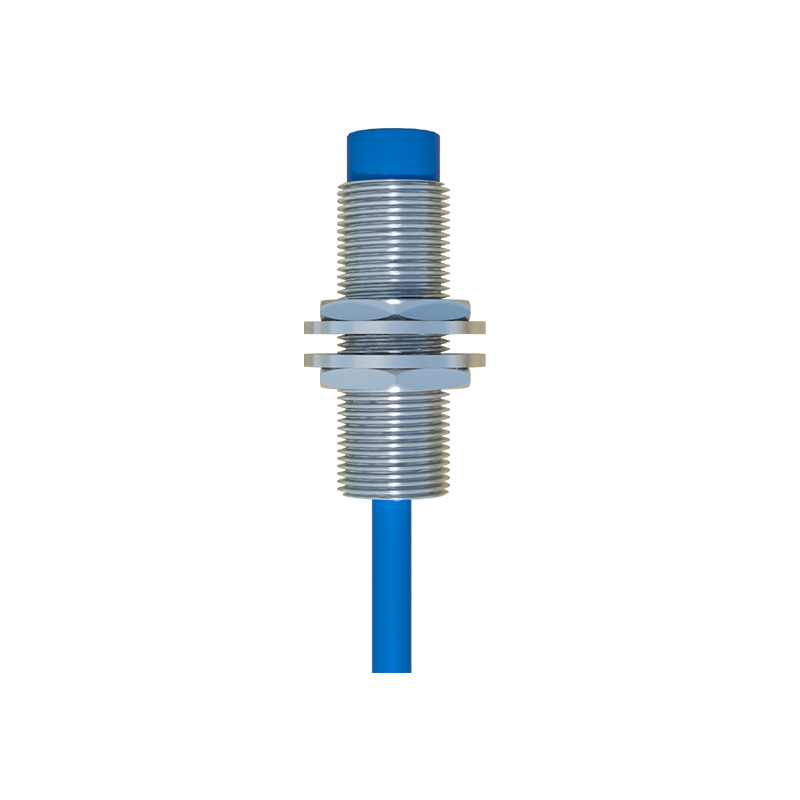
Electrical and installation issues are also frequent culprits. Voltage fluctuations or insufficient power supply below the sensor's rated operating range can directly limit its output power and sensing capability. Incorrect mounting is equally critical; if a metal-embedded sensor is mounted flush in a metallic bracket, the surrounding metal can create a dampening effect, reducing the effective sensing distance. Even for non-embedded types, nearby metal structures or parallel mounting of multiple sensors without adequate separation can cause mutual interference, leading to unpredictable behavior including distance reduction.
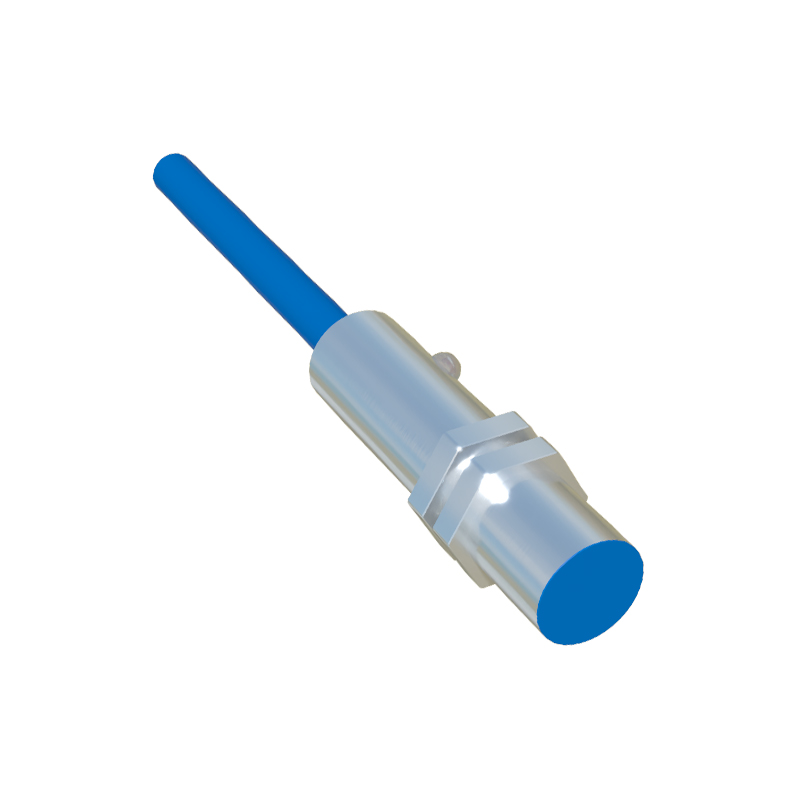
The nature of the target object itself must be evaluated. Inductive sensors are calibrated for specific metals, typically mild steel. If the target material has a lower conductivity or permeability (e.g., aluminum, copper, or stainless steel), the effective sensing distance will be less than the standard rating. For photoelectric sensors, the color, finish, and angle of the target affect reflectivity. A dark, matte, or non-perpendicular target reflects less light back to the receiver, necessitating a closer distance for reliable detection.
Diagnosing this issue requires a systematic approach. Begin by consulting the sensor's datasheet to confirm its standard sensing distance (Sn) and ensure the target material and size meet specifications. Perform a visual and physical inspection of the sensor face for any contamination. Clean the sensing surface meticulously using appropriate solvents and non-abrasive materials. Verify the electrical parameters: measure the supply voltage at the sensor's terminals under load to ensure it remains stable and within tolerance. Check for loose wiring or corroded contacts that could increase circuit resistance.
If basic checks do not resolve the problem, proceed to environmental and installation verification. Ensure the sensor is mounted correctly according to its type (flush or non-flush) and that there is no encroaching metal within its lateral and frontal zones. Temporarily power down adjacent sensors to test for electromagnetic or optical crosstalk. For a definitive test, use a calibrated target and a precision measuring tool to map the actual trigger points at varying distances, comparing them to the manufacturer's curve.
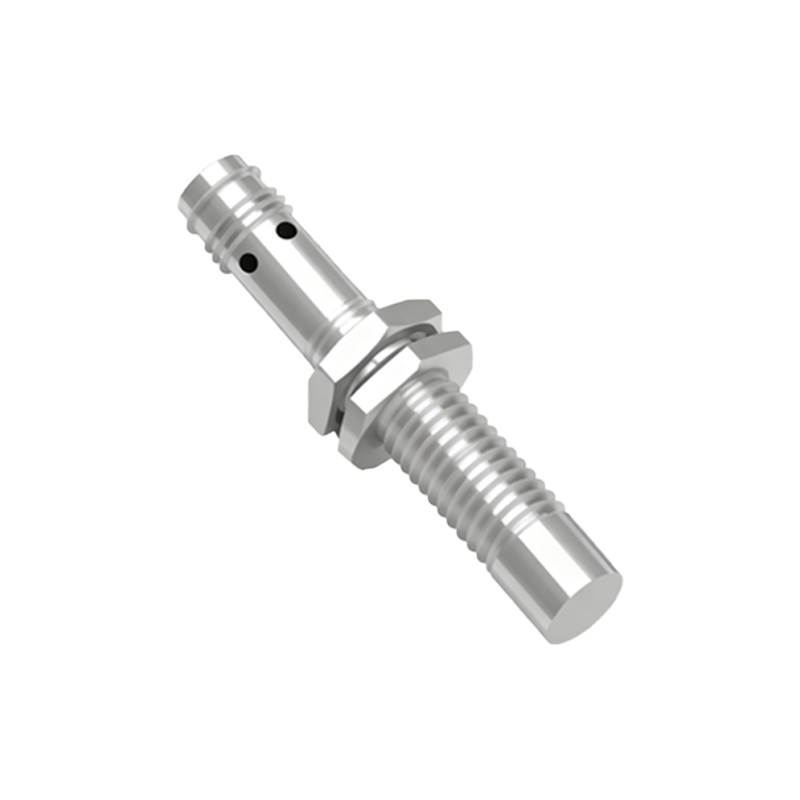
Solutions are targeted at the identified cause. For aging sensors, replacement is often the most reliable long-term fix. Implement regular preventive maintenance schedules for cleaning and inspection. In dirty environments, select sensors with higher IP ratings or built-in wear-resistant faces. Use DC-operated sensors with regulated power supplies or add line conditioners to combat voltage instability. When detecting non-standard materials, choose a sensor with a sufficient reserve factor or one specifically designed for such applications, like factor-1 capacitive sensors or background suppression photoelectrics. Re-evaluate the mounting layout to ensure minimum recommended distances between sensors and from metal structures.
In conclusion, a reduction in proximity sensor sensing distance is a multifaceted problem rooted in physical, electrical, and environmental factors. A methodical troubleshooting process that isolates each potential variable is key to a swift resolution. By prioritizing correct sensor selection for the application, ensuring proper installation, and adhering to a robust maintenance regimen, engineers can significantly mitigate this issue, thereby enhancing operational uptime and system integrity.