In the realm of high-speed rail (HSR) transportation, the demand for reliability, safety, and precision is paramount. Among the myriad of components that ensure these systems operate flawlessly, proximity switch sensors play a critical yet often understated role. These non-contact sensors are integral to the monitoring and control mechanisms that define modern HSR engineering. This article delves into the technical specifications, operational principles, and specific applications of proximity sensors within high-speed rail networks, adhering to industry standards and engineering best practices.
Proximity sensors in HSR are primarily inductive or capacitive types, designed to detect the presence or absence of metallic objects without physical contact. Inductive sensors, which are most common in rail applications, generate an electromagnetic field. When a ferrous metal object—such as a train wheel, axle, or part of the braking system—enters this field, it induces eddy currents that alter the sensor's oscillation amplitude. This change is processed by the sensor's electronics to trigger a switch signal. The non-contact nature of these sensors eliminates mechanical wear, thereby enhancing longevity and reducing maintenance intervals, which is crucial for systems operating at speeds exceeding 300 km/h.
The engineering specifications for HSR proximity sensors are rigorous. They must withstand extreme environmental conditions, including temperature fluctuations from -40°C to +85°C, high levels of vibration, and exposure to moisture, dust, and electromagnetic interference (EMI). Enclosures are typically rated at least IP67 to ensure ingress protection. Furthermore, response times are critical; sensors must detect objects within milliseconds to facilitate real-time control systems. For instance, in wheel detection applications, sensors monitor the rotation and integrity of wheelsets, providing data to the train control and management system (TCMS) to prevent derailments or identify faults like flat spots.

Applications of proximity switches in high-speed rail are diverse. One key area is in the automatic door control systems. Sensors precisely detect the position of train doors relative to the platform, ensuring doors only open when aligned correctly and close securely before departure, thereby enhancing passenger safety. In braking systems, proximity sensors monitor the position of brake calipers and pads, offering feedback on wear levels and engagement status, which is vital for maintaining optimal braking performance. Additionally, these sensors are employed in track switching mechanisms, where they verify the position of points and crossings, ensuring routes are set accurately to avoid collisions.
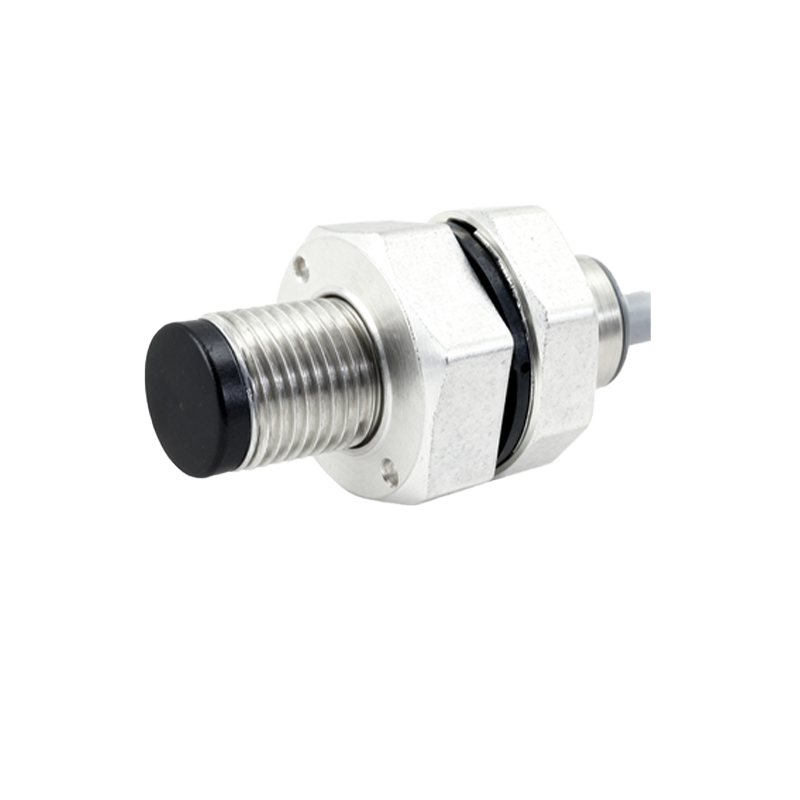
Another significant application is in the condition monitoring of onboard equipment. Proximity sensors attached to components like compressors, fans, and transformers detect vibrations or displacements that may indicate impending failures. This predictive maintenance capability allows for scheduled repairs, minimizing downtime and operational disruptions. The integration of these sensors with the Internet of Things (IoT) and data analytics platforms further enables real-time health monitoring of entire train fleets, contributing to the overall efficiency of HSR operations.
From an engineering perspective, the selection and installation of proximity sensors require meticulous planning. Factors such as sensing range, which typically ranges from a few millimeters to several centimeters in rail contexts, must be calibrated based on the target object's material and size. Mounting positions are chosen to avoid interference from other metallic structures or electrical noise. Regular calibration and testing are essential to ensure accuracy, often conducted during scheduled maintenance cycles using standardized diagnostic tools.
In conclusion, proximity switch sensors are indispensable to the safety and functionality of high-speed rail systems. Their ability to provide reliable, non-contact detection in harsh environments underpins critical operations from door control to braking and track management. As HSR technology evolves with trends toward automation and connectivity, the role of these sensors will only expand, driven by advancements in materials, miniaturization, and smart sensor networks. For engineers and technicians in the rail industry, a deep understanding of proximity sensor technology is essential for designing, maintaining, and optimizing the next generation of high-speed transportation.