In the complex and electrically noisy environments of modern industrial automation, the reliability of sensor data is paramount. Proximity sensors, the silent sentinels detecting the presence or absence of objects without physical contact, are foundational to this ecosystem. However, their performance can be severely compromised by electromagnetic interference (EMI), radio frequency interference (RFI), crosstalk, and other environmental factors. This is where the specialized domain of anti-interference proximity sensors becomes critical. This article delves into the technical principles, design strategies, and application considerations that define these robust sensing solutions.
The core challenge lies in the operating principle of common inductive and capacitive proximity sensors. They generate an electromagnetic field and detect changes caused by a target object. In environments with variable-speed motor drives, welding equipment, high-power switching, or dense sensor arrays, this sensitive field can be inundated with spurious signals. The result is false triggering, reduced sensing ranges, or complete operational failure, leading to costly downtime and production errors.
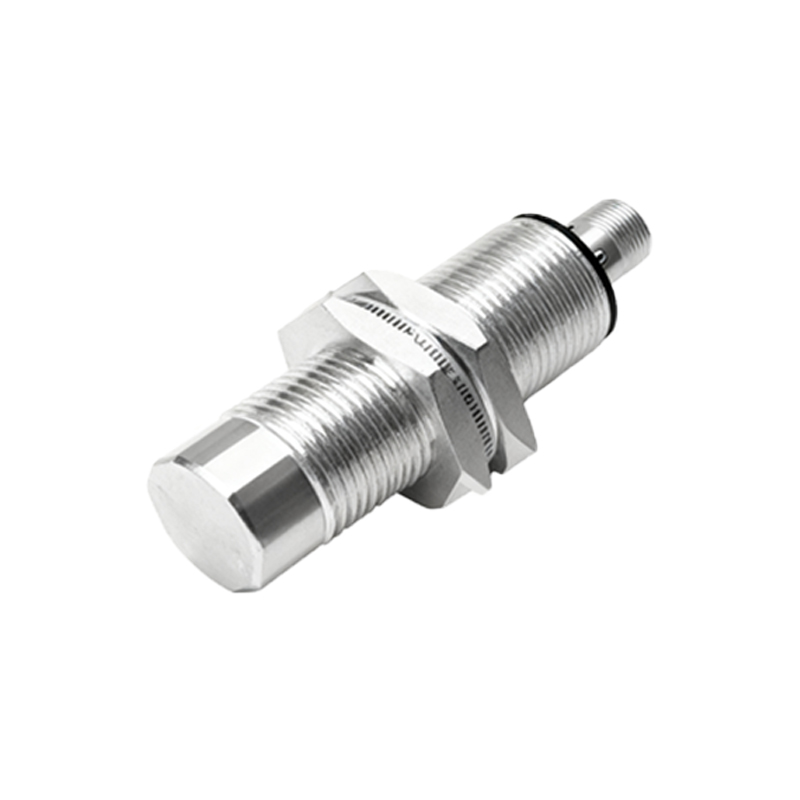
To combat these issues, manufacturers employ a multi-layered approach to interference immunity, often encapsulated in international standards like IEC 60947-5-2. The first line of defense is hardware design and shielding. Sensors are housed in robust, metallic casings (e.g., brass or stainless steel) that act as Faraday cages, attenuating external EMI. Internally, critical components and circuitry are shielded. The use of ferrite cores or beads on cables suppresses high-frequency noise. Furthermore, sensors are designed with symmetric, differential sensing coils or circuits. This design helps cancel out common-mode noise—interference that appears identically on both signal paths—while amplifying the true differential signal from the target.
The second crucial layer is advanced signal processing. Modern anti-interference sensors integrate sophisticated embedded electronics. Techniques such as frequency modulation are common, where the sensor operates on a specific, controlled frequency. Filters—both hardware (LC circuits) and software (digital signal processing algorithms)—are tuned to allow only the sensor's operating frequency band to pass, rejecting noise at other frequencies. Some high-end models employ time-domain analysis or adaptive algorithms that can distinguish between the characteristic signal pattern of a genuine target and random noise spikes. This intelligent processing significantly enhances signal-to-noise ratio (SNR).
Electrical design and output configuration also play a vital role. Sensors with analog current outputs (e.g., 4-20 mA) are inherently more noise-resistant than voltage outputs over long distances. For switching outputs, short-circuit and overload protection circuits prevent damage from wiring errors or voltage surges. A stable, regulated internal power supply is essential to prevent sensor malfunction due to fluctuations on the supply line, which is a frequent source of interference in industrial plants.
Installation and wiring practices are as important as the sensor's intrinsic design. To minimize crosstalk, a minimum separation distance must be maintained between sensors, especially those of the same type and frequency. Manufacturer guidelines, often specifying distances of 2-3 times the sensor diameter, must be followed. Using shielded cables, with the shield properly grounded at only one end (typically the controller end), is non-negotiable in high-noise areas. Cables should be routed away from high-current power lines, motor leads, and communication cables. Conduits can offer additional physical protection and noise reduction.
Selecting the right anti-interference sensor requires a careful analysis of the application environment. Key specifications to scrutinize include the immunity level to various types of interference (often stated in volts per meter for RFI), the operating frequency shift capability to avoid mutual interference in multi-sensor setups, and the housing material for optimal shielding. For extreme environments, such as near arc welding or large induction heaters, sensors with specialized certifications and enhanced protective features are necessary.
In conclusion, anti-interference proximity sensors are not merely standard sensors with added features; they are engineered systems designed for resilience. Their value is measured in the unwavering reliability and precision they bring to critical automation processes—from robotic assembly and packaging to metalworking and automotive manufacturing. By understanding the synergy between robust mechanical design, intelligent electronics, and correct installation, engineers can ensure their sensing networks remain accurate and dependable, even in the most electromagnetically hostile industrial landscapes.