In the intricate landscape of industrial automation and machinery, the plug-in proximity sensor stands as a pivotal component, enabling seamless, non-contact detection and control. These sensors, characterized by their convenient plug-and-play connectivity, are engineered to detect the presence or absence of an object within a specified range without any physical contact. This fundamental capability underpins countless automated processes, enhancing efficiency, reliability, and safety across diverse sectors including manufacturing, packaging, automotive, and material handling.
The primary function of a plug-in proximity sensor is to provide a discrete electrical signal—typically a switch output—when a target object enters its sensing field. This field is generated based on the sensor's technology, with inductive, capacitive, and photoelectric being the most prevalent types for plug-in configurations. Inductive sensors, for instance, are ideal for detecting metallic objects, utilizing an electromagnetic field to sense ferrous and non-ferrous metals. Capacitive sensors, on the other hand, can detect a wider variety of materials, including liquids, powders, and non-metals, by measuring changes in capacitance. Photoelectric sensors use light beams to detect objects, offering longer sensing ranges. The "plug-in" design refers to the integrated connector or cable with a standardized plug, allowing for rapid installation, replacement, and maintenance without the need for complex wiring or termination. This feature drastically reduces downtime and simplifies system integration.
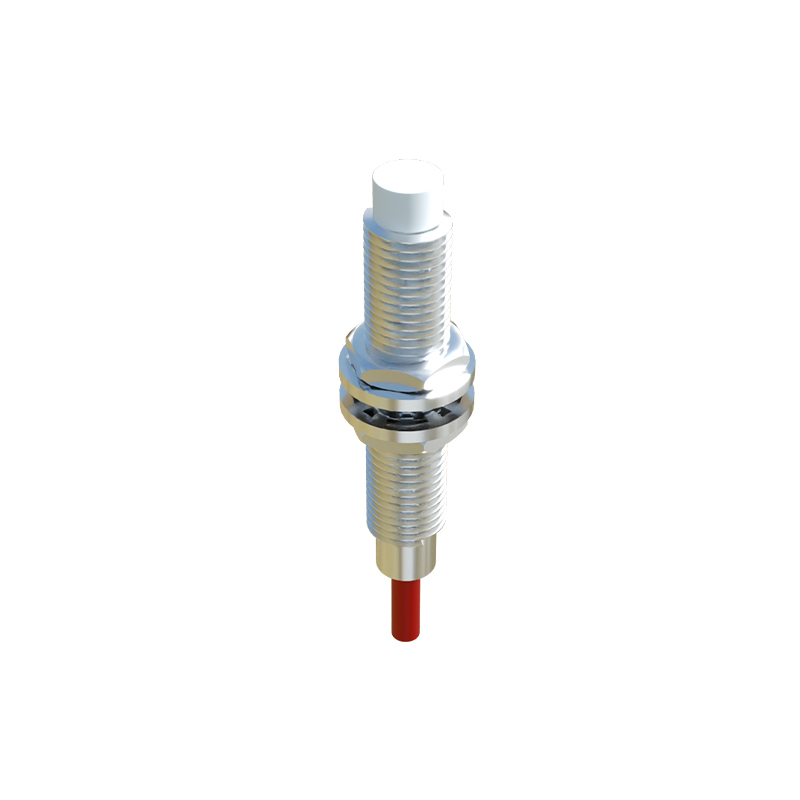
The operational advantages are manifold. Firstly, the non-contact nature eliminates mechanical wear and tear, ensuring a long operational life and consistent performance even in harsh environments with dust, moisture, or vibration. Secondly, their high switching speed enables detection of fast-moving objects on production lines, crucial for high-speed automation. Thirdly, they contribute to enhanced safety by allowing machinery to monitor positions of guards, doors, or components, initiating shutdowns if unsafe conditions are detected. In applications like robotic assembly, plug-in proximity sensors provide precise positional feedback for end-effectors, ensuring accurate pick-and-place operations. In conveyor systems, they count items, control sorting gates, and verify product presence. Their role in predictive maintenance is also growing; by monitoring vibration or position of rotating machinery, they can signal potential failures before they occur.
Selecting the appropriate plug-in proximity sensor requires careful consideration of several parameters. The sensing distance, or range, must be suitable for the application to avoid false triggers or missed detections. Environmental factors such as temperature extremes, chemical exposure, and IP (Ingress Protection) rating for dust and water resistance are critical. The output type (e.g., NPN, PNP, analog) must be compatible with the control system, such as a PLC (Programmable Logic Controller). Furthermore, the housing material—often stainless steel, nickel-plated brass, or PBT plastic—is chosen based on the required mechanical strength and environmental resistance.
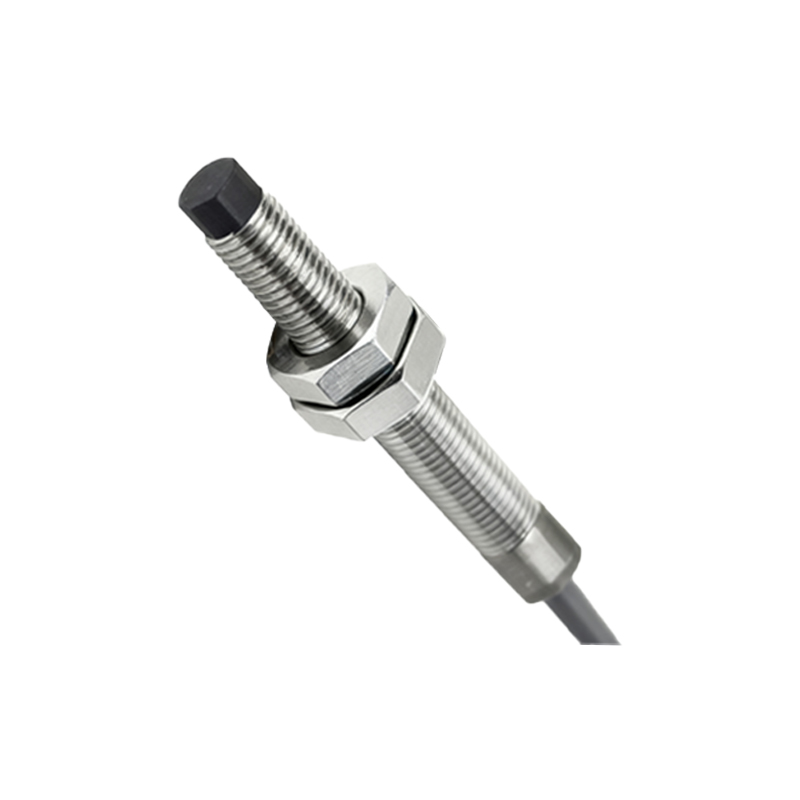
Installation and alignment are straightforward but vital. Correct mounting ensures the optimal sensing field is oriented toward the target. Factors like the sensor's mounting style (flush or non-flush for inductive types), the target material's size and composition, and potential interference from adjacent metal objects or other sensors must be accounted for during setup. Modern plug-in sensors often feature LED indicators for status monitoring, aiding in quick diagnostics.
Looking ahead, the evolution of plug-in proximity sensors is intertwined with Industry 4.0 and the Industrial Internet of Things (IIoT). Newer models are incorporating advanced diagnostics, IO-Link communication for parameter setting and data exchange, and enhanced robustness. They are becoming smarter, providing not just a simple on/off signal but also data on sensor health, temperature, and other process variables, feeding into larger data analytics systems for optimized operations.
In conclusion, the plug-in proximity sensor is far more than a simple switch. It is an essential enabler of automation, providing reliable, contactless detection that forms the sensory foundation of modern industrial systems. Its plug-in design emphasizes practicality and efficiency, making it a cornerstone component for engineers seeking to build resilient, high-performance, and easily maintainable automated solutions. As technology advances, its role will only become more sophisticated and integral to intelligent manufacturing ecosystems.