In the realm of industrial automation and control systems, proximity sensors stand as fundamental components, enabling machines to "sense" the presence or absence of an object without physical contact. These non-contact detection devices are pivotal for enhancing efficiency, safety, and reliability in countless applications. This article delves into the core principles, primary types, key applications, and essential selection criteria for proximity sensors.
At their essence, proximity sensors operate by emitting an electromagnetic field, beam, or ultrasonic wave and detecting changes in the return signal or field when a target object enters their sensing range. This contactless detection method eliminates mechanical wear, ensures high-speed operation, and functions reliably in harsh environments where dirt, oil, or moisture are present.
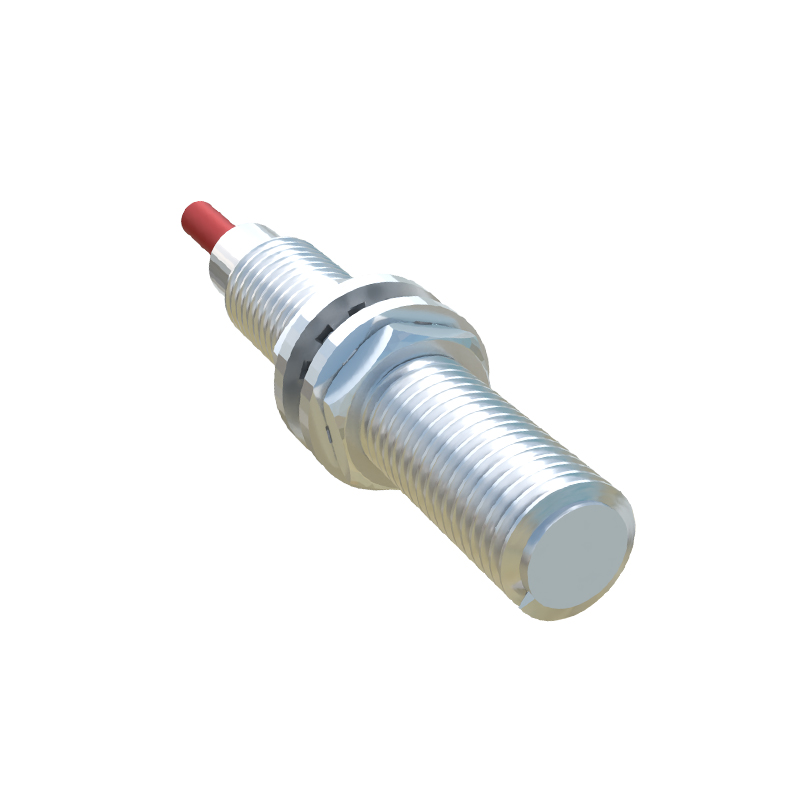
The most prevalent types of proximity sensors include inductive, capacitive, photoelectric, and ultrasonic sensors. Inductive proximity sensors are the workhorses for detecting metallic objects. They generate an oscillating electromagnetic field. When a ferrous or non-ferrous metal target enters this field, it induces eddy currents, causing a change in oscillation amplitude that triggers the sensor's output switch. They are renowned for their robustness, long service life, and immunity to non-metallic contaminants.
Capacitive proximity sensors, on the other hand, can detect both metallic and non-metallic materials such as liquids, plastics, wood, and granules. They function by measuring changes in capacitance between the sensor's active face and the ground. The introduction of any material with a different dielectric constant alters this capacitance, triggering detection. This makes them ideal for level detection, material handling, and presence sensing of non-conductive products.
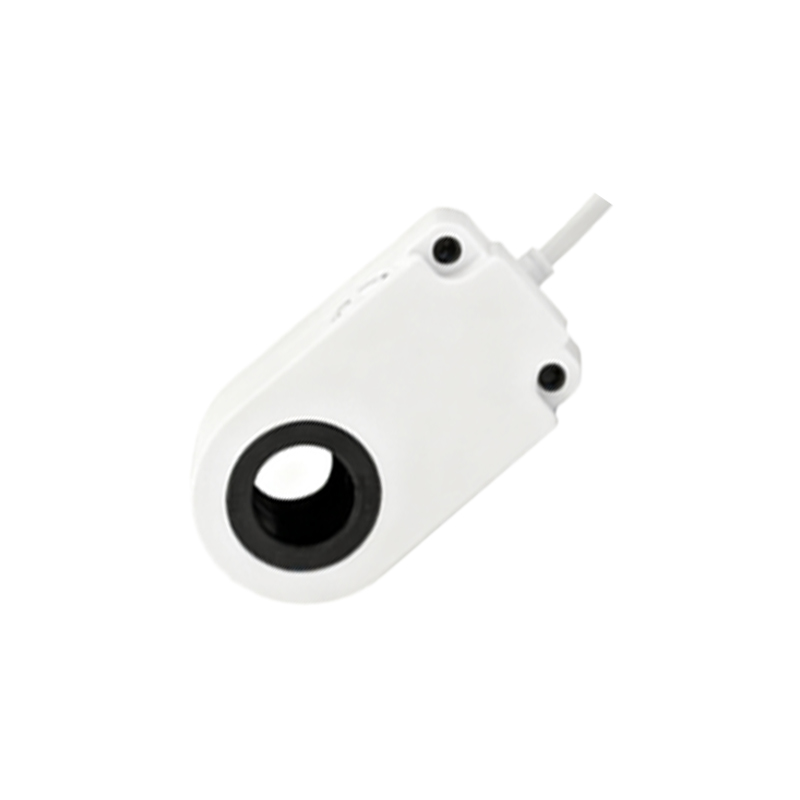
Photoelectric sensors utilize light beams, typically infrared or laser, for detection. They consist of an emitter and a receiver. The three main operating modes are through-beam (separate emitter and receiver), retro-reflective (a single unit with a reflector), and diffuse (reflective), where the sensor detects light reflected from the target itself. They offer very long sensing ranges and can detect virtually any object, regardless of material.
Ultrasonic sensors measure the time it takes for a sound wave to reflect back from a target. They excel at detecting objects of varying materials, colors, and transparency, and are particularly effective for distance measurement, level control of liquids and bulk solids, and in environments with airborne particulates where photoelectric sensors might fail.
The applications of proximity sensors are vast and integral to modern manufacturing. They are used for precise object positioning on conveyor lines, part counting, jam detection, limit switching in machinery, robotic end-effector tooling, and ensuring safety by monitoring guard door positions. In automated assembly, they verify the presence of components. In packaging, they control fill levels and label placement.
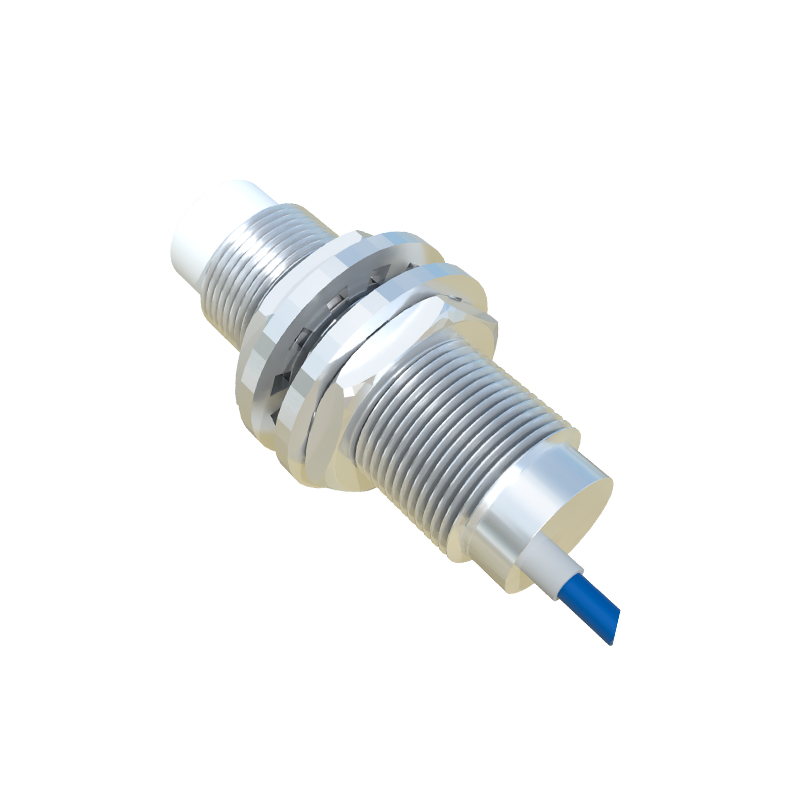
Selecting the right proximity sensor requires careful consideration of several parameters. First, the target material dictates the sensor type: inductive for metals, capacitive for a broader range, etc. The required sensing distance, or nominal range, must be specified, typically choosing a sensor with a range 10-20% greater than the application requires to account for tolerances. The sensor's housing style (cylindrical, rectangular, slot-type) must suit the mounting constraints. Environmental factors like temperature extremes, washdown conditions (requiring high IP ratings like IP67 or IP69K), and exposure to chemicals influence the choice of housing material and sealing. Output configuration (NPN/PNP, NO/NC) must be compatible with the PLC or controller input card. Finally, factors like switching frequency (for high-speed applications) and electrical noise immunity are critical for reliable performance.
In conclusion, proximity sensors are indispensable eyes of the automated factory floor. A clear understanding of their operating principles, types, and application-specific requirements is crucial for engineers and technicians to design, maintain, and optimize automated systems for peak performance and longevity. Proper selection and implementation not only solve immediate detection needs but also contribute significantly to overall system uptime and productivity.