In the rapidly evolving landscape of industrial automation and precision measurement, custom laser sensors have become indispensable tools. Unlike off-the-shelf solutions, custom laser sensors are tailored to meet specific application requirements, offering unparalleled accuracy, reliability, and efficiency. This guide delves into the critical aspects of specifying custom laser sensors, providing engineers and designers with the knowledge needed to make informed decisions.
The first step in customizing a laser sensor is defining the application's core requirements. Key parameters include measurement range, resolution, accuracy, and response time. For instance, in high-speed manufacturing lines, a sensor with a sub-millisecond response time might be necessary to detect minute defects on moving parts. Conversely, in laboratory settings, nanometer-level resolution could be paramount for research applications. Environmental factors such as temperature fluctuations, humidity, dust, and ambient light interference must also be considered, as they directly impact sensor performance and longevity. Selecting the appropriate laser type—such as red, blue, or infrared—based on the target material's reflectivity and color is equally crucial.
Next, the optical design and housing of the sensor require careful attention. Custom lenses, filters, and apertures can optimize the laser beam's focus and shape, enhancing signal-to-noise ratios in challenging conditions. For outdoor or harsh industrial environments, ruggedized housings with IP67 or higher ratings ensure protection against water, dust, and mechanical shocks. Additionally, integration capabilities with existing systems—like PLCs, IoT platforms, or robotic controllers—should be evaluated. Modern custom sensors often support communication protocols such as Ethernet/IP, PROFINET, or IO-Link, enabling seamless data exchange and real-time monitoring.
Power supply and electrical interfaces are another vital consideration. Depending on the installation site, sensors may need to operate on low voltage DC or standard AC power, with options for energy-efficient designs to reduce operational costs. Output signals, whether analog (e.g., 4-20 mA, 0-10 V) or digital (e.g., RS-232, USB), must align with the control system's input requirements. For advanced applications, features like programmable logic, data logging, or self-diagnostics can add significant value, allowing for predictive maintenance and reduced downtime.

Calibration and compliance with industry standards cannot be overlooked. Custom sensors should be calibrated to traceable standards, ensuring consistency and repeatability across measurements. Adherence to regulations like IEC 60825-1 for laser safety or ISO 9001 for quality management systems is essential for global deployment. Collaborating with experienced manufacturers who offer thorough testing—including thermal cycling, vibration tests, and long-term stability assessments—guarantees that the sensor performs reliably under real-world conditions.
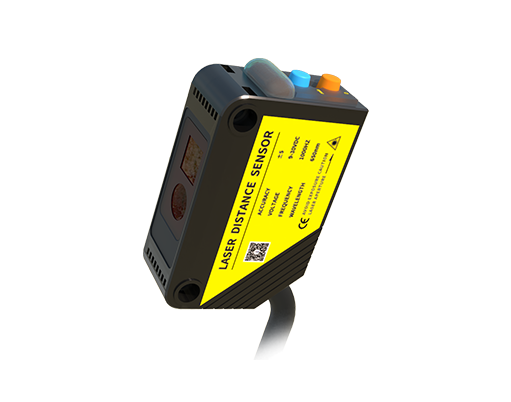
In conclusion, specifying custom laser sensors is a multidisciplinary process that balances technical precision with practical constraints. By meticulously addressing parameters from optical performance to environmental robustness, engineers can develop solutions that drive innovation in fields like automotive assembly, semiconductor fabrication, and biomedical imaging. As technology advances, the demand for bespoke sensing solutions will only grow, making expertise in customization a competitive advantage.