In the realm of industrial automation and control systems, proximity sensors stand as fundamental components, enabling non-contact detection of objects with precision and reliability. As an electrical engineer with extensive field experience, I aim to provide a comprehensive overview of genuine, high-quality proximity sensors, their operational principles, selection criteria, and pivotal role in modern manufacturing.
Proximity sensors are electronic devices designed to detect the presence or absence of an object within a specified range without physical contact. This non-contact operation is their primary advantage, eliminating mechanical wear and tear, thereby ensuring longevity and reducing maintenance costs. Genuine, factory-original sensors are engineered to meet stringent industrial standards, offering consistent performance even in harsh environments characterized by dust, moisture, vibration, or extreme temperatures.
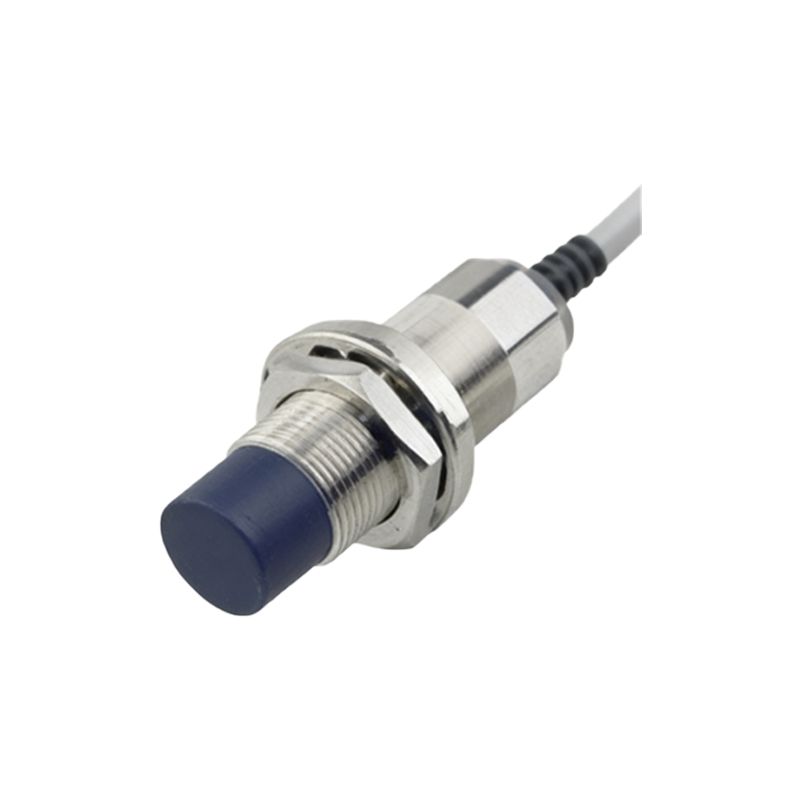
The core technology behind these sensors varies, primarily including inductive, capacitive, and magnetic types. Inductive proximity sensors are the most common in industrial settings, detecting metallic objects through electromagnetic fields. They generate an oscillating electromagnetic field from a coil; when a metallic target enters this field, it induces eddy currents, causing a change in oscillation amplitude that triggers the sensor's output. These are ideal for detecting ferrous and non-ferrous metals in applications like machine tool positioning, conveyor systems, and robotic arms.
Capacitive proximity sensors, on the other hand, can detect both metallic and non-metallic materials, including liquids, plastics, and wood. They operate by measuring changes in capacitance between the sensor and the target. When an object enters the sensing field, it alters the dielectric constant, prompting the sensor to switch its output state. This makes them suitable for level detection in tanks, material handling, and packaging lines where diverse materials are present.
Magnetic proximity sensors, often utilizing reed switches or Hall-effect technology, respond to magnetic fields. They are commonly used for detecting the position of cylinders in pneumatic systems or as limit switches in safety applications. Their sealed construction makes them resistant to contaminants, ensuring reliable operation in dirty or wet conditions.
Selecting the right genuine proximity sensor requires careful consideration of several factors. First, determine the sensing distance, which should account for installation tolerances and target material. Genuine sensors provide accurate, repeatable sensing ranges as specified in their datasheets. Second, consider the output type: NPN (sinking) or PPN (sourcing), which must be compatible with the control system's input module. Third, evaluate the environmental conditions; genuine sensors are rated with IP (Ingress Protection) codes, such as IP67 or IP69K, indicating resistance to dust and water ingress. Additionally, factors like switching frequency, temperature range, and housing material (e.g., stainless steel for corrosive environments) are critical for optimal performance.
The benefits of using original, high-quality proximity sensors are manifold. They offer enhanced reliability, reducing downtime and production losses due to sensor failure. Genuine sensors provide precise detection, improving process accuracy and product quality. Their robust construction ensures compliance with safety standards, protecting both personnel and equipment. Moreover, original sensors come with technical support and warranties, offering peace of mind and long-term cost savings compared to counterfeit or substandard alternatives.
In application, proper installation is key to maximizing sensor performance. Ensure correct alignment with the target, avoid mounting in areas with excessive vibration or electromagnetic interference, and follow manufacturer guidelines for wiring and shielding. Regular maintenance, though minimal, involves checking for physical damage, cleaning the sensing face, and verifying output signals.
As Industry 4.0 and the Industrial Internet of Things (IIoT) advance, proximity sensors are evolving with smart features. Genuine sensors now often include IO-Link communication, enabling real-time diagnostics, parameter adjustment, and integration into networked systems for predictive maintenance and data analytics. This connectivity transforms simple detection devices into intelligent nodes within a larger automation ecosystem.
In conclusion, genuine proximity sensors are indispensable in achieving efficient, safe, and automated industrial operations. By understanding their technologies, adhering to selection best practices, and investing in original equipment, engineers and technicians can build resilient systems that drive productivity and innovation. Always prioritize quality and authenticity to ensure your automation projects succeed in the long run.