Magnetic proximity sensors are essential components in modern industrial automation, offering reliable non-contact detection of ferromagnetic objects. These sensors operate based on the Hall effect or magnetoresistive principles, generating an output signal when a magnetic field, typically from a permanent magnet or electromagnetic source, reaches a predefined threshold. Unlike inductive or capacitive sensors, magnetic variants excel in harsh environments—resistant to dust, moisture, and temperature extremes—making them ideal for applications in automotive manufacturing, conveyor systems, and machinery safety interlocks.
The core mechanism involves a sensing element that detects changes in magnetic flux density. When a ferrous target, such as a gear tooth or actuator, approaches the sensor, it disturbs the magnetic field, triggering a switch or analog output. Hall effect sensors, for instance, produce a voltage proportional to the magnetic field strength, enabling precise position or speed monitoring. In contrast, magnetoresistive sensors alter resistance under magnetic influence, providing high sensitivity for tasks like rotary encoding or valve positioning. Key advantages include long operational life due to the absence of mechanical contact, minimal maintenance requirements, and immunity to non-ferrous materials like aluminum or plastic, which might interfere with other sensor types.
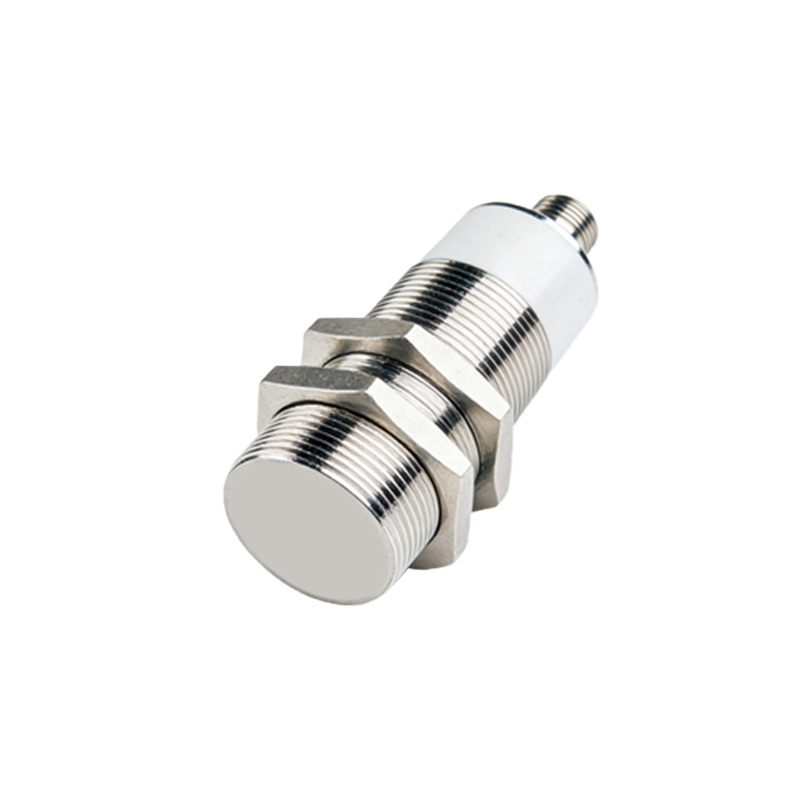
Installation and calibration are straightforward: sensors are mounted with attention to alignment and gap specifications, often detailed in datasheets. For example, a typical cylindrical sensor might require a 2mm air gap from the target to ensure accurate detection. Environmental factors, such as strong external magnetic fields or vibration, can affect performance, so shielding and robust housing designs are common. In automotive assembly lines, these sensors monitor seat positioning or brake pedal engagement, while in packaging machinery, they count metallic items on fast-moving belts. Recent advancements include miniaturization for compact devices and integration with IoT platforms, allowing real-time data logging and predictive maintenance via digital interfaces like IO-Link.
Despite their robustness, limitations exist. Magnetic sensors primarily detect ferromagnetic materials, restricting use with non-magnetic metals. Sensitivity to extreme temperatures may require specialized variants, such as those rated for -40°C to 150°C ranges. Engineers must select sensors based on factors like switching frequency, output type (PNP/NPN), and protection ratings (e.g., IP67 for dust and water resistance). Overall, magnetic proximity sensors enhance automation efficiency by providing durable, accurate sensing solutions, contributing to safer and more productive industrial operations. As technology evolves, their role in smart factories and energy systems continues to expand, driven by demands for precision and reliability.