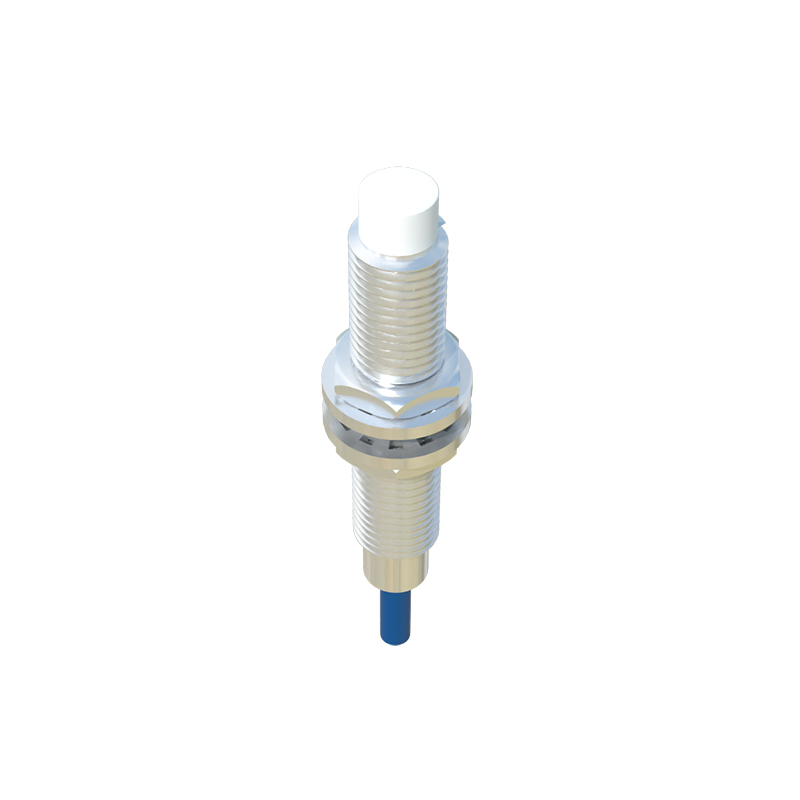
Proximity sensors are indispensable components in modern industrial automation, offering non-contact detection of objects within their sensing range. These devices operate based on various physical principles, including electromagnetic, capacitive, ultrasonic, and optical technologies, each tailored to specific environmental and operational needs. One of the most prominent features of proximity sensors is their ability to function without physical contact with the target object. This non-contact operation minimizes wear and tear, significantly extending the sensor's lifespan and reducing maintenance requirements. In harsh industrial environments—where dust, moisture, or chemical exposure is common—this characteristic ensures reliable performance where mechanical switches might fail.
Another key characteristic is high precision and repeatability. Proximity sensors provide accurate detection with minimal error margins, making them ideal for applications requiring precise positioning, such as assembly lines, robotic arms, and CNC machinery. Their rapid response time, often in the millisecond range, allows for high-speed operations without compromising accuracy. This speed is crucial in industries like packaging, automotive manufacturing, and electronics, where production efficiency directly impacts profitability.
Durability and robustness are also defining traits. Many proximity sensors are built with rugged housings, typically from materials like stainless steel or nickel-plated brass, offering resistance to mechanical shocks, vibrations, and extreme temperatures. Additionally, they are designed to be immune to environmental interference, such as electromagnetic noise from motors or welding equipment, ensuring stable operation in complex setups. For instance, inductive proximity sensors excel in detecting metallic objects even in dirty or wet conditions, while capacitive sensors can handle non-metallic materials like plastics, wood, or liquids.
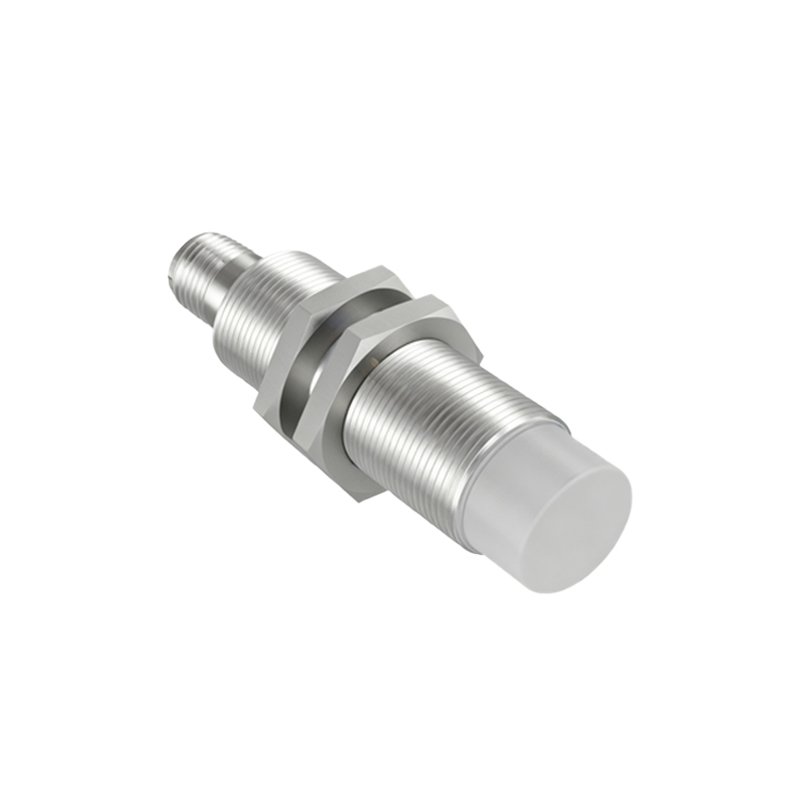
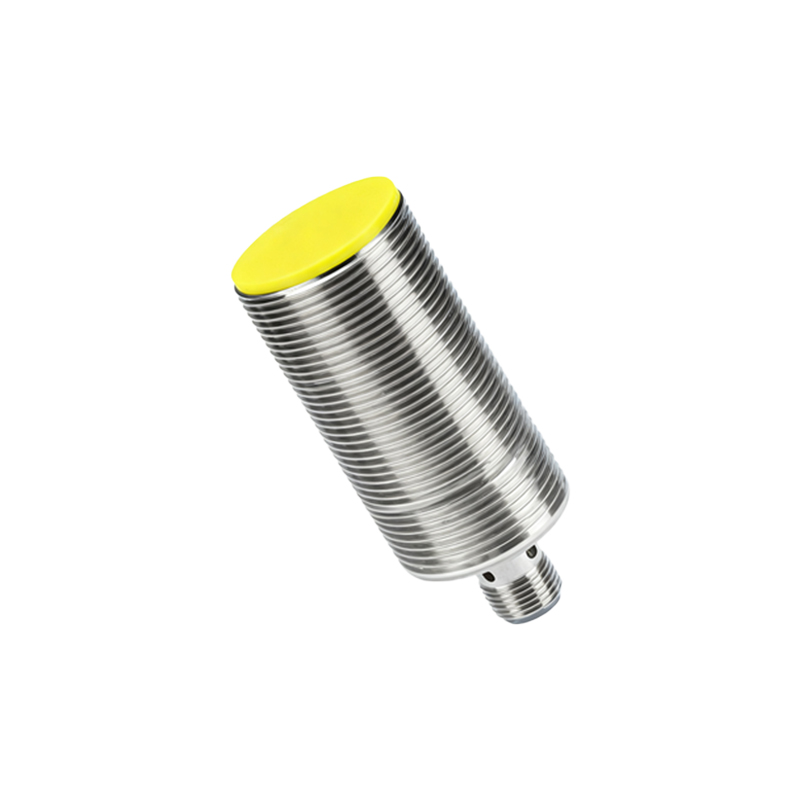
Versatility in installation and configuration further enhances their appeal. Proximity sensors come in diverse form factors—including cylindrical, rectangular, and ring-shaped designs—allowing seamless integration into tight spaces or specific machinery layouts. Many models feature adjustable sensing distances and output options (e.g., NPN/PNP transistors or analog signals), enabling customization for varied control systems. This adaptability supports applications ranging from simple object detection to complex tasks like level monitoring, counting, or speed measurement.
Energy efficiency is another notable advantage. Modern proximity sensors consume minimal power, contributing to lower operational costs and aligning with sustainable industrial practices. Their solid-state construction, devoid of moving parts, not only boosts reliability but also reduces energy wastage compared to traditional mechanical switches. Moreover, advancements in technology have led to the development of intelligent sensors with self-diagnostic capabilities, which can alert operators to potential issues like contamination or misalignment, preempting downtime.
In summary, proximity sensors stand out for their non-contact operation, precision, durability, versatility, and efficiency. These characteristics make them vital in enhancing automation safety, productivity, and reliability across sectors like manufacturing, logistics, and energy. As industries evolve toward smarter, more connected systems, the role of proximity sensors continues to expand, driven by innovations that address emerging challenges in detection and control.