In the realm of industrial automation and control systems, proximity sensors are indispensable components for non-contact object detection. Selecting the right sensor for an application hinges on a precise understanding of the parameters listed in its model number and datasheet. This guide deciphers the key specifications, empowering engineers to make informed decisions.
Sensing Distance (Sn): This is arguably the most critical parameter. It defines the nominal operating distance at which the sensor reliably detects a standard target. It is not the maximum possible distance but a guaranteed value under specified conditions. For inductive sensors, the standard target is typically a square of mild steel (Fe360) with a side length equal to the sensor's face diameter or three times the rated sensing distance, whichever is greater. Exceeding this distance can lead to unreliable operation. Always consider a safety margin, often 10-20%, to account for mechanical tolerances, temperature variations, and supply voltage fluctuations.
Hysteresis (H): Hysteresis is the difference between the switch-on point (when the target approaches) and the switch-off point (when the target recedes). Expressed as a percentage of the sensing distance (e.g., 3-10% of Sn), this parameter prevents chattering or rapid on/off switching when a target is positioned at the exact sensing threshold. A defined hysteresis ensures stable, clean output signals, which is crucial for reliable logic control.
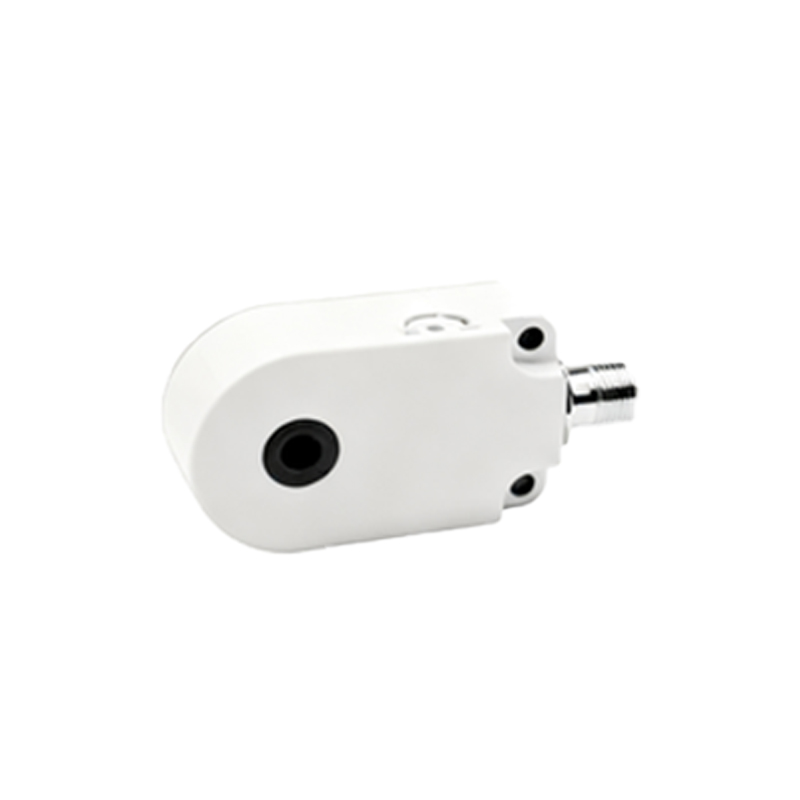
Output Configuration: This defines the electrical switching element inside the sensor. Key designations include:
PNP (Sourcing): The output switches the positive voltage line to the load. Common in Europe and Asia.
NPN (Sinking): The output switches the negative (0V) line to the load. Common in North America.
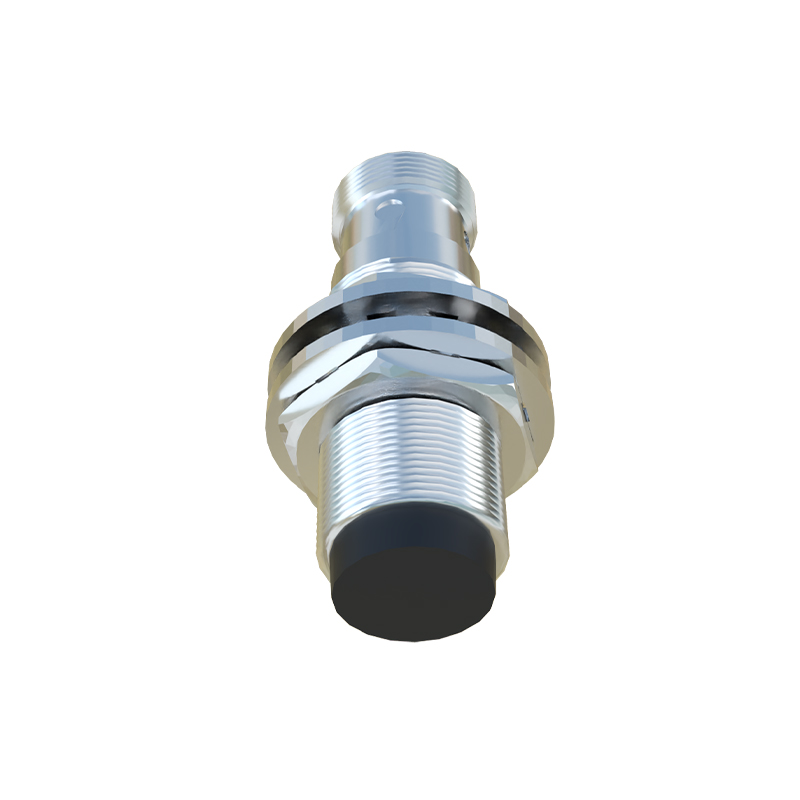
NO (Normally Open) / NC (Normally Closed): Describes the state of the output switch when no target is present. NO is open (off), NC is closed (on).
Analog Output: Provides a continuous signal (e.g., 0-10V, 4-20mA) proportional to the distance to the target, enabling position monitoring.
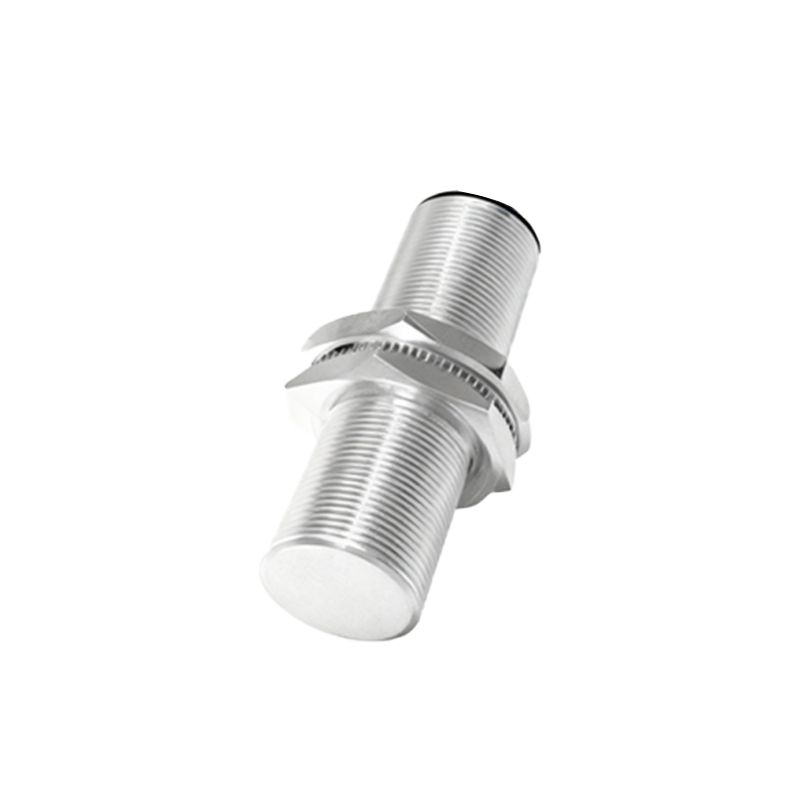
Switching Frequency (f): Measured in Hertz (Hz), this parameter indicates the maximum number of on/off cycles the sensor can perform per second. It determines the sensor's capability to detect fast-moving objects. For instance, a sensor with a 1 kHz frequency can theoretically detect objects passing at up to 1000 times per second. High-speed applications, like part counting on a fast conveyor, require a high switching frequency.
Enclosure Rating (IP or NEMA): The Ingress Protection (IP) code (e.g., IP67, IP69K) specifies the level of protection against solid objects (first digit) and liquids (second digit). IP67 signifies dust-tight and protected against temporary immersion. For harsh environments involving high-pressure washdowns, IP69K is essential. In North America, NEMA ratings (e.g., NEMA 4X) are also prevalent, indicating protection against water and corrosion.
Material and Housing Design: The sensor's housing material (e.g., stainless steel, PBT plastic, nickel-plated brass) determines its suitability for specific environments. Stainless steel housings (often V4A/AISI 316L) offer superior resistance to chemicals, acids, and caustic solutions. The shape (cylindrical, rectangular, slot-type) and size are selected based on mounting constraints and the target's characteristics.
Supply Voltage (Uv): This specifies the range of operating voltage (e.g., 10-30 V DC) within which the sensor functions correctly and its specifications are guaranteed. Operating outside this range can lead to malfunction or permanent damage.
Temperature Range (Ta): The ambient operating temperature range is vital for system reliability. Sensors must be chosen to withstand the minimum and maximum temperatures of the application environment. Exceeding these limits can affect sensing distance, output stability, and ultimately, the sensor's lifespan.
Additional Critical Parameters:
Repeat Accuracy: The precision with which the sensor detects the same target position in consecutive operations.
Short-Circuit and Reverse Polarity Protection: Built-in protective features that enhance durability and prevent damage from wiring errors.
EMC Immunity: Resistance to electromagnetic interference from nearby motors, drives, or radio sources, ensuring stable operation in electrically noisy industrial settings.
Understanding these parameters is not an academic exercise but a practical necessity. A sensor selected solely on sensing distance, without considering hysteresis, frequency, or environmental rating, is a recipe for system failure. Always cross-reference the application requirements—target material, size, speed, environmental conditions, and electrical interface—with the sensor's detailed specifications. Consulting the manufacturer