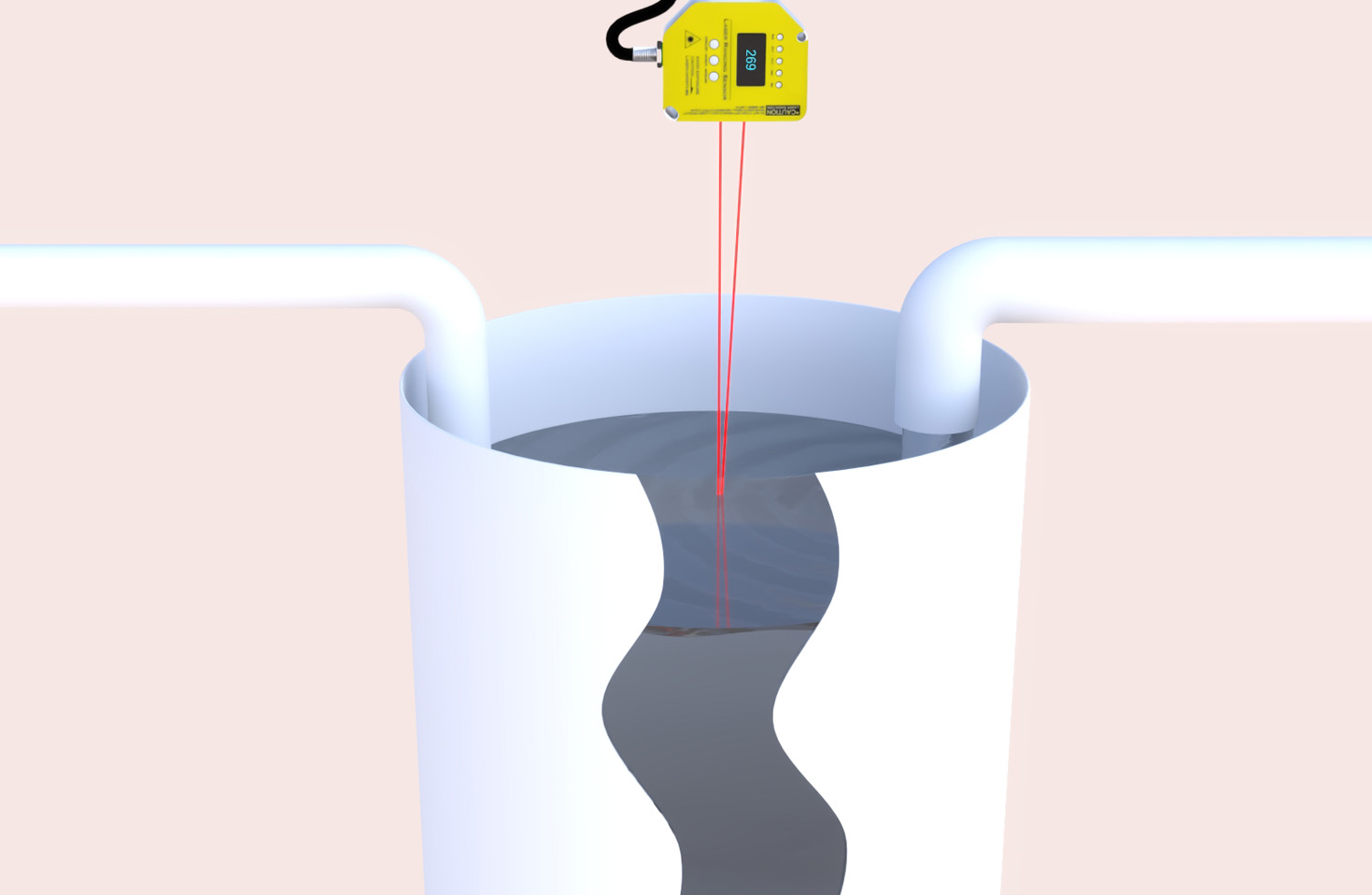
In the realm of industrial automation and precision measurement, laser fan sensors have emerged as a pivotal technology, offering non-contact, high-speed, and accurate detection capabilities. Unlike traditional point or line lasers, a laser fan sensor projects a thin, fan-shaped plane of laser light onto a target surface. This distinctive optical pattern enables the sensor to capture detailed profile information across a line or area, making it indispensable for a wide range of applications from robotics to quality control.
The core principle of a laser fan sensor revolves around triangulation. The sensor's laser diode emits the fan-shaped beam. When this plane of light strikes an object, the contour of the object distorts the straight line of the laser fan. A high-resolution CMOS or CCD camera, positioned at a known angle relative to the laser emitter, captures this distorted line. Sophisticated onboard processors then analyze the displacement of each point in the line. Using trigonometric calculations, the sensor precisely determines the height or depth profile of the object along the laser line. This process occurs at remarkable speeds, often in the microsecond range, allowing for real-time, in-line inspection.
The advantages of laser fan sensors are numerous. Their non-contact nature eliminates mechanical wear and prevents damage to delicate surfaces. They provide exceptional resolution, capable of detecting minute height variations, surface defects, or precise edge locations. Furthermore, their ability to generate 2D profile data from a single scan line significantly speeds up inspection processes compared to point-by-point scanning methods. This makes them ideal for dynamic production environments where throughput is critical.
Applications for laser fan sensors span diverse industries. In automotive manufacturing, they are used for gap and flush measurement on vehicle bodies, ensuring panel alignment meets stringent quality standards. In electronics assembly, they verify component coplanarity, solder paste volume, and the presence of tiny connectors. Logistics and warehousing leverage them for package dimensioning and volume calculation. Robotics integrators employ these sensors for precise bin-picking guidance, allowing robots to identify and grasp randomly oriented parts. Additionally, they are crucial in wood processing for warp detection and in metallurgy for weld seam inspection and thickness monitoring.
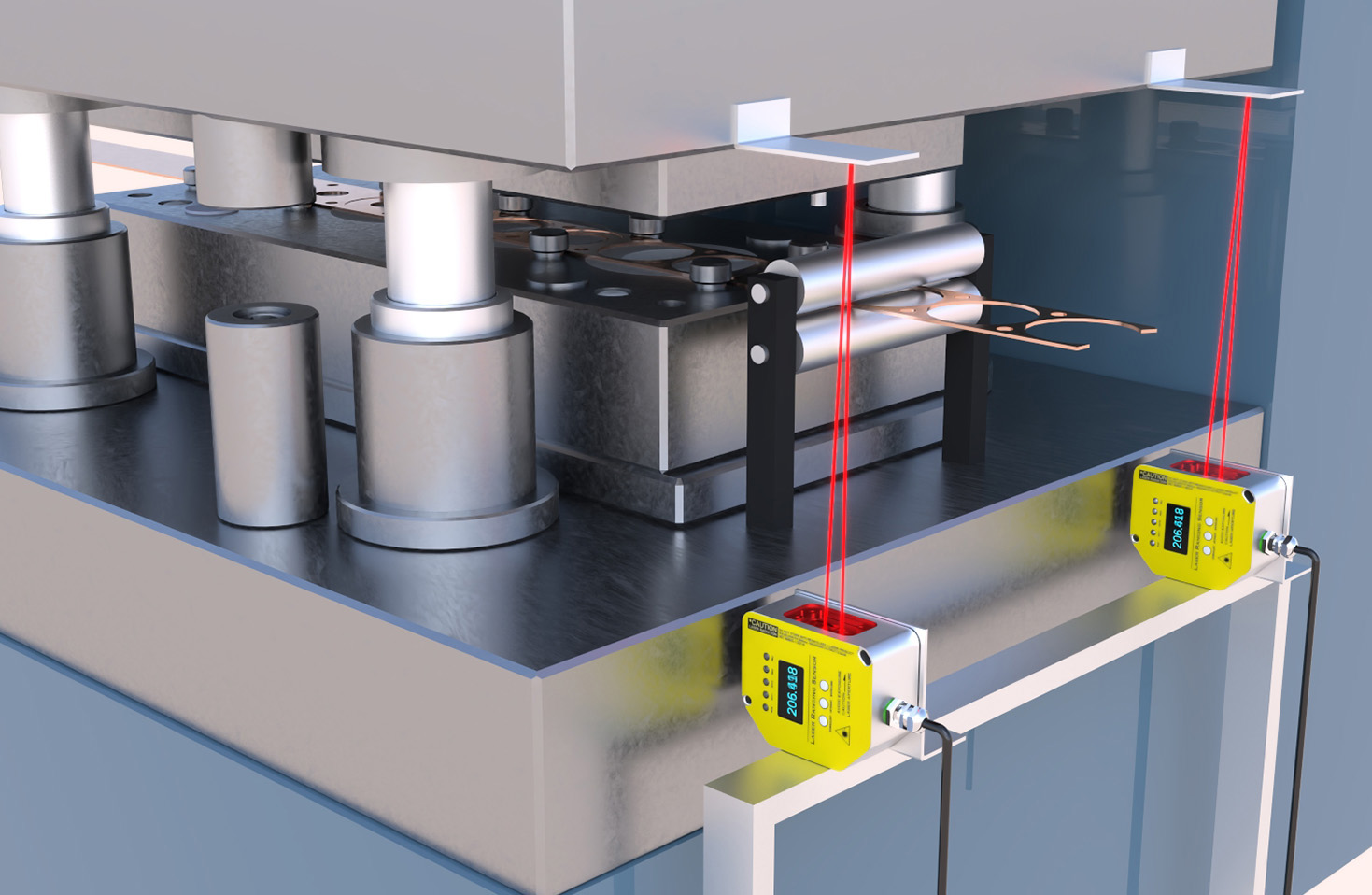
Selecting the appropriate laser fan sensor requires careful consideration of several key parameters. First, the measurement range and stand-off distance must suit the application's physical constraints. The sensor's resolution and repeatability specifications determine its ability to detect the smallest required feature. The scanning frequency, or line rate, must be high enough to capture data from fast-moving objects without motion blur. Environmental factors are also critical; industrial settings may necessitate sensors with robust housings (IP67 ratings are common), resistance to ambient light interference, and operation in varying temperatures. The choice of laser wavelength (typically red or blue) can affect performance on different material surfaces, with blue lasers often providing better performance on shiny or organic materials. Finally, integration ease, including communication protocols (Ethernet/IP, PROFINET, RS-232) and software development kits (SDKs), plays a significant role in reducing system implementation time.
In conclusion, laser fan sensors represent a sophisticated fusion of optics, electronics, and software, delivering powerful 2D/3D profiling solutions. Their versatility, speed, and accuracy continue to drive innovation in automated inspection and measurement tasks. As technology advances, we can expect these sensors to become even more compact, faster, and intelligent, with enhanced data processing capabilities directly at the edge, further solidifying their role as a cornerstone of modern industrial sensing.