In the realm of industrial automation, precision and reliability are paramount. Among the myriad components that ensure seamless operations, the Z-shape proximity sensor bracket stands out as a critical yet often overlooked element. This specialized mounting solution is engineered to optimize the performance of proximity sensors, which are indispensable for detecting the presence or absence of objects without physical contact. The Z-shape design, characterized by its distinct angular form, offers unique advantages in terms of flexibility, durability, and installation efficiency, making it a preferred choice in demanding environments such as manufacturing lines, robotic systems, and material handling applications.
The primary function of a Z-shape proximity sensor bracket is to provide a stable and adjustable platform for mounting sensors. Unlike conventional straight brackets, the Z-shape configuration allows for enhanced positioning capabilities. This geometry enables sensors to be installed in tight or obstructed spaces where direct mounting is impractical. For instance, in conveyor systems where sensors must monitor objects from specific angles, the Z-shape bracket facilitates precise alignment, ensuring accurate detection and reducing false triggers. The bracket typically consists of high-grade materials like stainless steel or aluminum, which offer corrosion resistance and structural integrity under harsh conditions, including exposure to moisture, dust, and temperature fluctuations.
From a design perspective, Z-shape brackets are meticulously crafted to meet industry standards. They often feature slotted holes or adjustable arms, allowing for fine-tuning of sensor orientation. This adjustability is crucial in dynamic settings where sensor positions may need frequent recalibration due to changes in production layouts or object sizes. Additionally, the bracket's robust construction minimizes vibration transmission, which can otherwise compromise sensor accuracy. Engineers prioritize factors such as load capacity, thermal expansion, and ease of maintenance when selecting or customizing these brackets, ensuring compatibility with various sensor models, including inductive, capacitive, and photoelectric types.
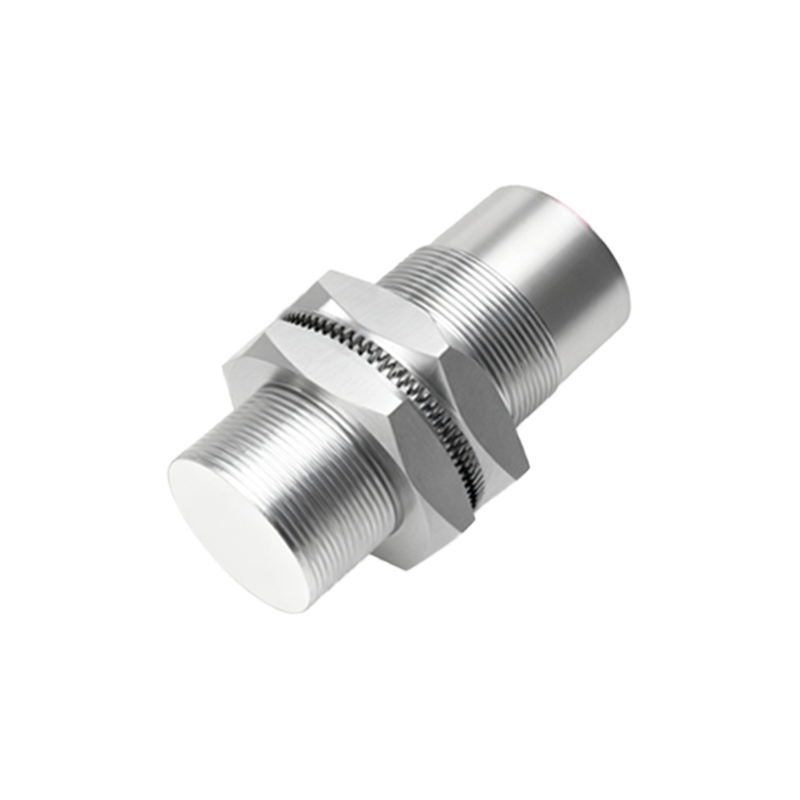
In practical applications, Z-shape proximity sensor brackets enhance operational efficiency across multiple sectors. In automotive assembly lines, they enable sensors to detect components on moving pallets with high precision, contributing to quality control and safety. In packaging machinery, these brackets support sensors that monitor fill levels or seal integrity, preventing downtime and waste. The logistics industry relies on them for sorting and tracking goods in automated warehouses, where reliable object detection is essential for inventory management. Moreover, the brackets' modular design allows for quick installation and replacement, reducing maintenance costs and enhancing system uptime.
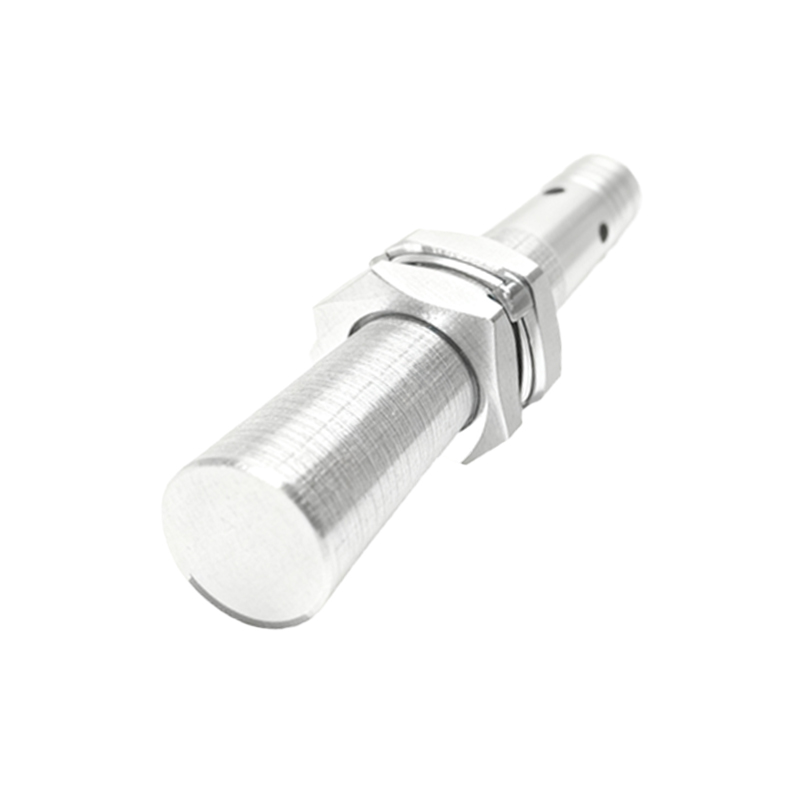
Despite their benefits, challenges exist in implementing Z-shape brackets effectively. Improper installation, such as misalignment or inadequate tightening, can lead to sensor malfunctions. Therefore, following manufacturer guidelines and conducting regular inspections is vital. Innovations in bracket design, such as integrated cable management or anti-loosening features, are emerging to address these issues. As Industry 4.0 advances, smart brackets with embedded sensors for self-monitoring may become prevalent, offering real-time data on bracket integrity and sensor performance.
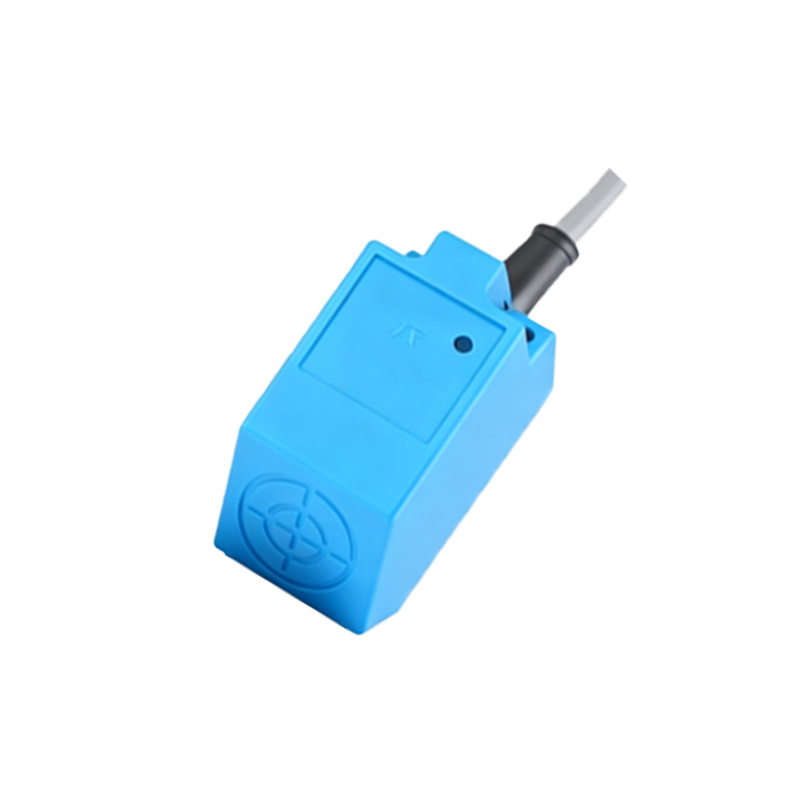
In conclusion, the Z-shape proximity sensor bracket is a vital component in modern industrial automation, bridging the gap between sensor technology and practical application. Its design excellence and adaptability ensure that proximity sensors operate at peak efficiency, supporting automation goals like increased productivity, reduced errors, and enhanced safety. For engineers and system integrators, understanding the nuances of bracket selection and deployment is key to optimizing sensor-based systems. As industries evolve toward greater automation, the role of specialized mounting solutions like the Z-shape bracket will only grow in importance, underscoring the need for continuous innovation in this niche yet essential field.