In industrial automation and electrical engineering, proximity sensors play a critical role in detecting the presence or absence of objects without physical contact. Among the various types, the electrical symbol for Proximity Sensor 6 is a standardized representation used in circuit diagrams and schematics to denote a specific inductive or capacitive proximity sensor configuration. This symbol is essential for engineers and technicians to accurately interpret, design, and troubleshoot control systems.
The electrical symbol for Proximity Sensor 6 typically consists of a diamond-shaped outline with internal markings that indicate its function. Inside the diamond, you may find a coil representation for inductive sensors or parallel plates for capacitive types, along with a number "6" to specify the variant. This symbol is often accompanied by connection points labeled as supply voltage (V+), ground (GND), and output signal (OUT). In wiring diagrams, it helps identify the sensor's role in a circuit, such as triggering a relay, activating a PLC input, or interfacing with motor drives.
Understanding this symbol requires knowledge of its operational principles. Proximity Sensor 6 is commonly used in applications requiring high precision, such as assembly lines, robotic arms, or safety systems. It detects metallic or non-metallic objects by generating an electromagnetic field or measuring capacitance changes. The symbol's design adheres to international standards like IEC 60617 or ANSI/IEEE, ensuring consistency across technical documentation. Engineers must note that the "6" in the symbol may refer to a specific model, sensing distance, or output type (e.g., NPN or PNP transistor outputs), which should be cross-referenced with manufacturer datasheets for accurate implementation.
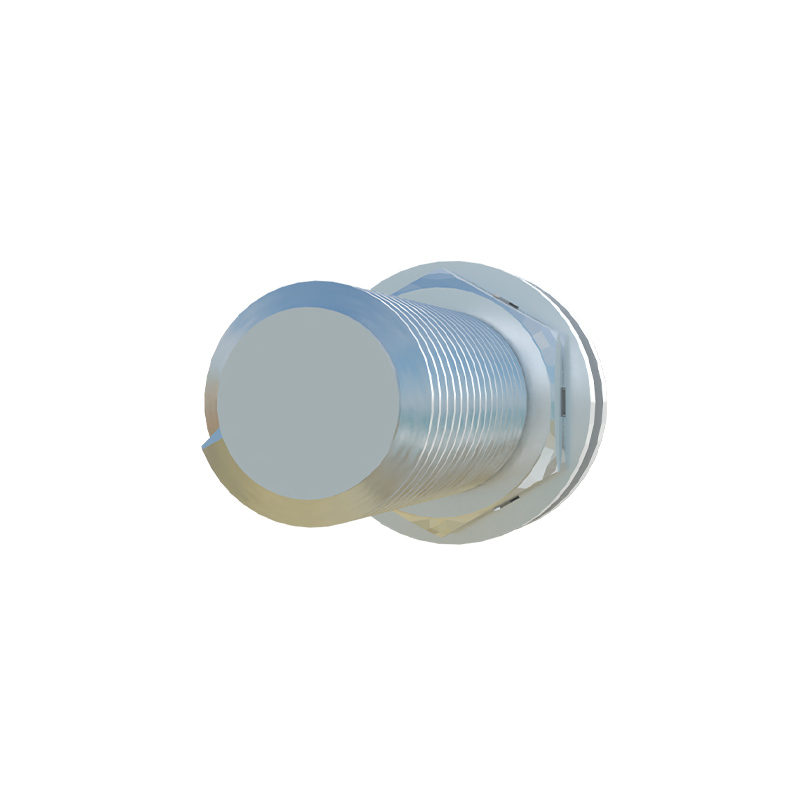
In practice, when integrating Proximity Sensor 6 into a circuit, the electrical symbol guides proper wiring and compatibility. For instance, in a typical setup, the sensor connects to a DC power source, with its output linked to a load like a solenoid or indicator. The symbol also indicates protection features, such as short-circuit or overload safeguards, which are crucial for system reliability. Misinterpreting the symbol can lead to installation errors, causing malfunctions or downtime in industrial environments.
Overall, the Proximity Sensor 6 electrical symbol serves as a universal language in engineering drawings, facilitating efficient communication and error-free system design. Its correct usage enhances automation processes, contributing to improved productivity and safety in modern electrical systems.