In the realm of industrial automation, precision, reliability, and adaptability are paramount. Multi-arm proximity switch sensors have emerged as a cornerstone technology, offering unparalleled versatility in detecting the presence, absence, or position of objects without physical contact. These sophisticated devices utilize electromagnetic fields, capacitive effects, or ultrasonic waves to sense metallic or non-metallic targets, making them indispensable in complex manufacturing environments, robotic systems, and safety applications.
Unlike traditional single-arm sensors, multi-arm configurations integrate several sensing elements into a single compact unit. This design allows for simultaneous monitoring of multiple points or parameters within a confined space. For instance, a dual-arm inductive proximity sensor can detect the orientation of a metal component on an assembly line, while a triple-arm capacitive variant might monitor fill levels in different zones of a non-conductive container. The arms, often adjustable or programmable, enable customized sensing patterns, reducing the need for multiple discrete sensors and simplifying system architecture.
The operational principle hinges on the disturbance of an oscillating field. In inductive types, a high-frequency oscillator generates an electromagnetic field from each arm. When a conductive object enters this field, eddy currents are induced, causing a change in oscillation amplitude that triggers a switching signal. Capacitive sensors operate similarly but respond to changes in capacitance caused by both conductive and non-conductive materials. Advanced models incorporate microprocessors that allow for sensitivity adjustment, temperature compensation, and diagnostic functions, ensuring stable performance even in harsh conditions with vibration, moisture, or electromagnetic interference.
Key advantages of multi-arm proximity switches include enhanced spatial efficiency and reduced installation costs. By consolidating functions, they minimize wiring complexity and cabinet space, leading to cleaner, more maintainable control panels. Their rapid response time—often in the microsecond range—supports high-speed automation processes, such as packaging, sorting, or CNC machining. Moreover, many models feature robust housings in stainless steel or PBT plastic, with IP67 or higher ratings for dust and water resistance, ensuring longevity in demanding settings like food processing or automotive plants.
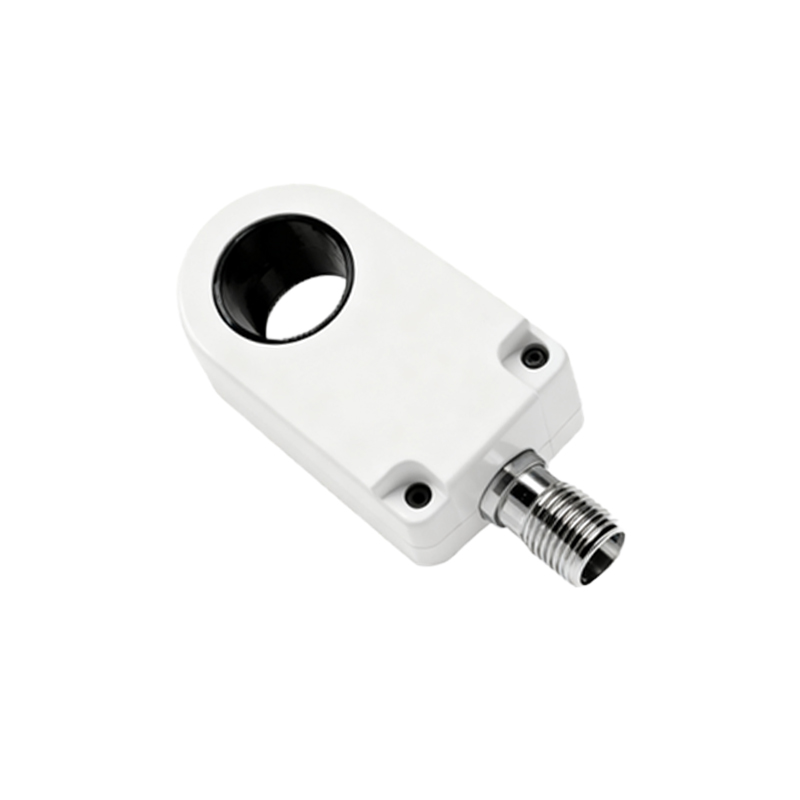
Application scenarios are diverse. In automotive manufacturing, these sensors verify the correct seating of multiple door seals simultaneously. In pharmaceutical lines, they ensure precise cap placement on vials. Robotic arms employ them for accurate gripper positioning and collision avoidance. Safety systems use them as part of interlocking mechanisms to guard hazardous zones, where any unauthorized approach triggers an immediate shutdown. The integration with industrial networks, such as IO-Link, enables real-time data exchange for predictive maintenance, alerting operators to sensor wear or contamination before failures occur.
Selecting the appropriate multi-arm sensor requires careful consideration of factors like sensing range, target material, output type (PNP/NPN, analog, or relay), and environmental resilience. Engineers must also account for mutual interference between arms, which top-tier designs mitigate through shielding and frequency modulation. As Industry 4.0 advances, these sensors are evolving with smart features, including self-calibration and cloud connectivity, paving the way for more autonomous, efficient factories.
In conclusion, multi-arm proximity switch sensors represent a significant leap in sensing technology. By combining multiple detection capabilities into one resilient package, they address the growing complexity of modern industrial systems, driving productivity and safety. Their continued innovation promises to further blur the lines between physical operations and digital control, solidifying their role as critical enablers of the automated future.