Laser displacement sensors represent a critical category of non-contact measurement devices widely employed across industrial automation, manufacturing, and quality control sectors. These sensors operate on the principle of optical triangulation or time-of-flight measurement to determine the distance between the sensor head and a target object with high precision. In a typical triangulation-based sensor, a laser diode projects a focused beam onto the target surface. The reflected light is then captured by a receiving element, such as a position-sensitive detector (PSD) or a charge-coupled device (CCD). The position of the reflected light spot on the detector shifts proportionally to the change in the target's distance. This shift is analyzed by the sensor's internal processor to calculate the exact displacement value. Time-of-flight sensors, often used for longer ranges, measure the phase shift or the direct time delay of a modulated laser pulse to compute distance.
The advantages of laser displacement sensors are manifold. They enable high-speed, non-contact measurement, eliminating mechanical wear and potential damage to delicate surfaces. They offer exceptional resolution, often in the micrometer or even sub-micrometer range, and high repeatability. This makes them indispensable for applications requiring stringent dimensional accuracy. Common industrial applications include thickness measurement of materials like metal sheets, glass, or films; vibration analysis of machinery components; precise profiling and contour measurement of complex parts; detection of warpage or deformation on production lines; and gap or step height inspection in automotive or electronics assembly. For instance, in semiconductor manufacturing, these sensors are used to measure wafer warpage with nanometer-level precision. In automotive body-in-white assembly, they ensure precise gap and flushness between panels.
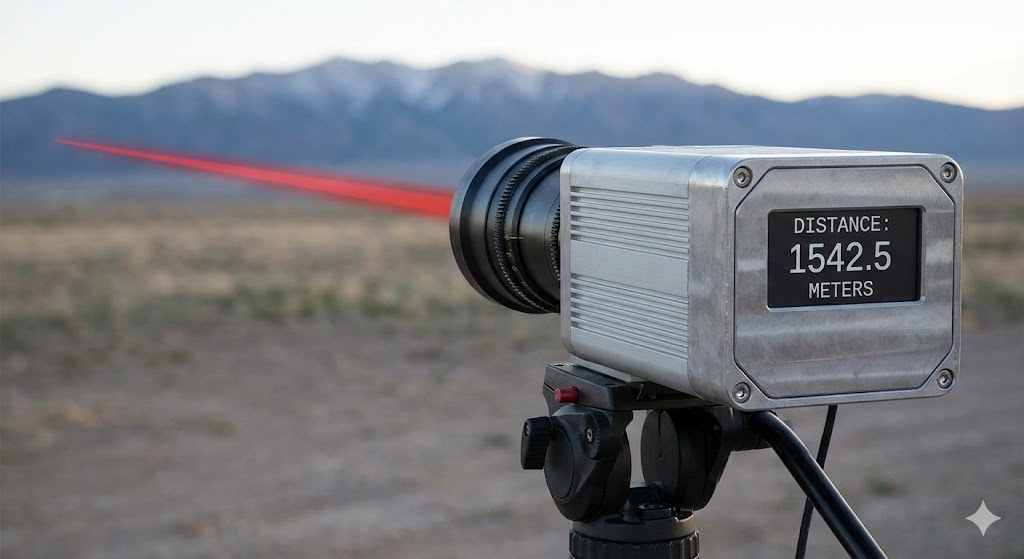
Selecting the appropriate laser displacement sensor requires careful consideration of several key parameters. Measurement range defines the minimum and maximum distances over which the sensor can operate accurately. Spot size determines the minimum feature that can be measured and affects resolution on rough or textured surfaces. Linearity error indicates the maximum deviation from the ideal straight-line response across the measurement range. Sampling speed, or response frequency, is crucial for measuring fast-moving objects or high-frequency vibrations. Environmental factors such as ambient light, temperature fluctuations, and the presence of dust or steam must also be considered, as they can influence performance. Many modern sensors incorporate features like background suppression, peak-hold function for transparent objects, and robust housings with IP ratings for harsh environments.
Integration of these sensors into automated systems is typically straightforward, with outputs including analog voltage or current signals, digital interfaces like RS-485 or Ethernet, and discrete switching signals. Proper installation is vital; the sensor must be mounted securely to minimize vibration, and the laser beam should be aligned perpendicular to the target surface for optimal reflection. For shiny or mirror-like surfaces, diffuse reflection models or sensors with coaxial optical designs are preferred to avoid specular reflection issues. For dark or low-reflectivity materials, sensors with higher laser power or specialized receivers may be necessary.
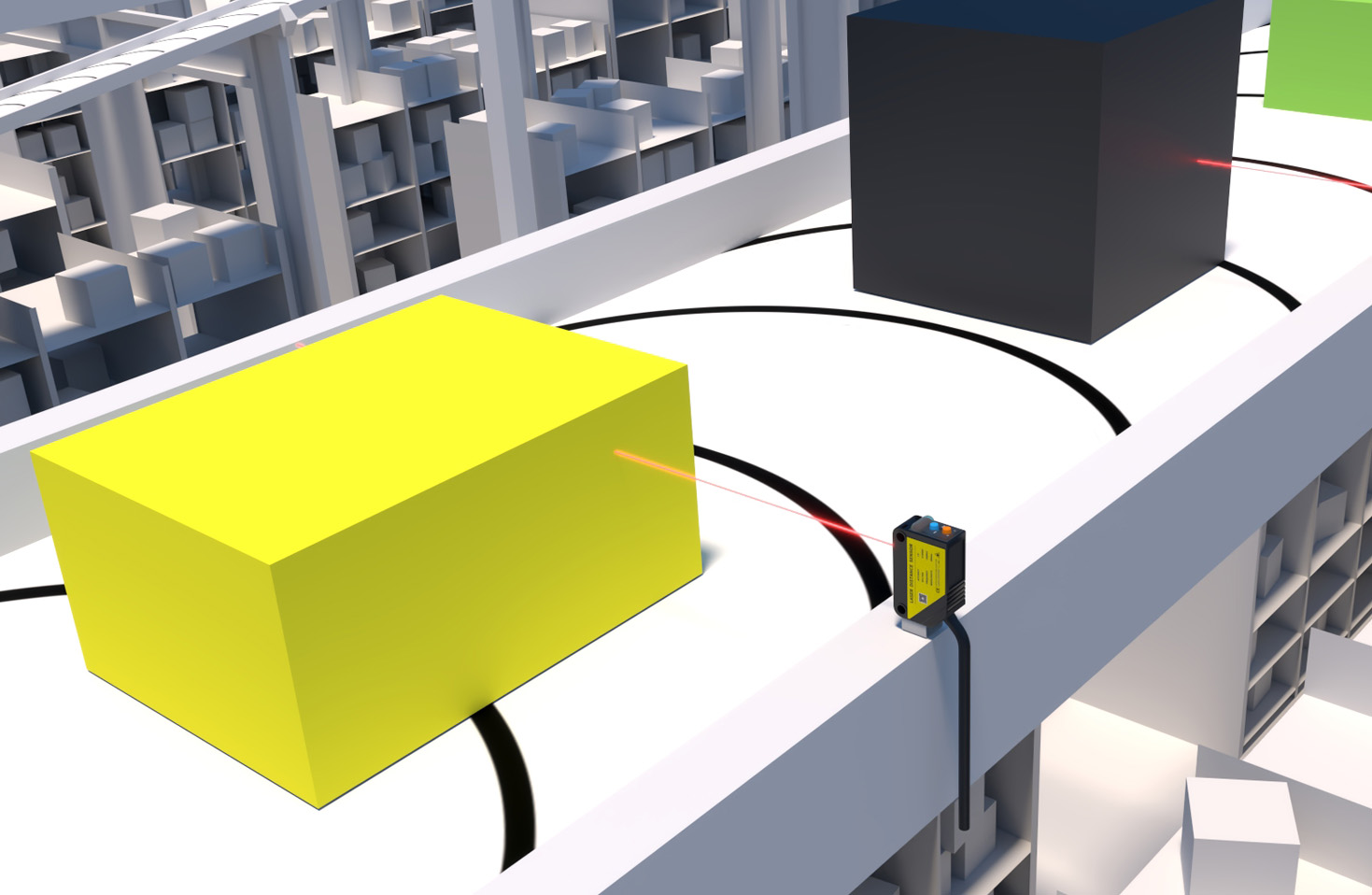
In summary, laser displacement sensors are powerful tools for precision metrology. Their ability to provide fast, accurate, and reliable distance data without physical contact makes them a cornerstone of modern industrial quality assurance and process control. Understanding their operating principles, application strengths, and selection criteria is essential for engineers and technicians to leverage their full potential, thereby enhancing productivity, ensuring product quality, and reducing waste in manufacturing processes. As technology advances, we see trends towards miniaturization, higher speeds, integrated intelligence for edge computing, and enhanced connectivity for Industry 4.0 environments, further expanding their utility across diverse fields from robotics to biomedical engineering.