In the realm of industrial automation, precision, reliability, and adaptability are paramount. Among the myriad components that drive modern manufacturing and processing systems, adjustable proximity switch sensors stand out as critical devices for non-contact detection and control. These sensors, designed to detect the presence or absence of objects without physical contact, have evolved significantly, offering enhanced flexibility through adjustability features that cater to diverse application needs.
Adjustable proximity switch sensors operate based on various principles, including inductive, capacitive, and magnetic sensing technologies. Inductive sensors, for instance, are ideal for detecting metallic objects by generating an electromagnetic field. When a metal target enters this field, it induces eddy currents, causing a change in the sensor's oscillation amplitude, which triggers a switch signal. Capacitive sensors, on the other hand, can detect both metallic and non-metallic materials by measuring changes in capacitance caused by the presence of an object. Magnetic sensors utilize Hall effect or reed switch mechanisms to sense magnetic fields, commonly used in conjunction with magnets for position detection.
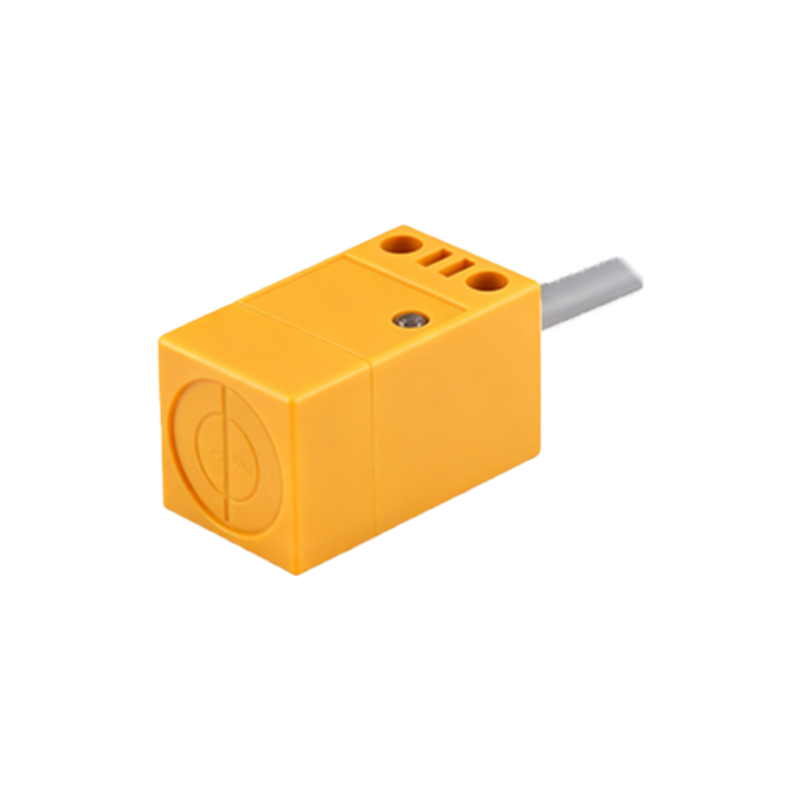
The adjustability of these sensors primarily refers to the ability to fine-tune parameters such as sensing distance, sensitivity, and response time. This feature is crucial in dynamic industrial environments where conditions may vary. For example, in conveyor belt systems, adjustable sensing distances allow operators to customize detection ranges based on object size and speed, minimizing false triggers and optimizing throughput. Sensitivity adjustments enable the sensor to ignore background interference, such as vibration or electrical noise, ensuring stable operation in harsh settings like welding stations or foundries.
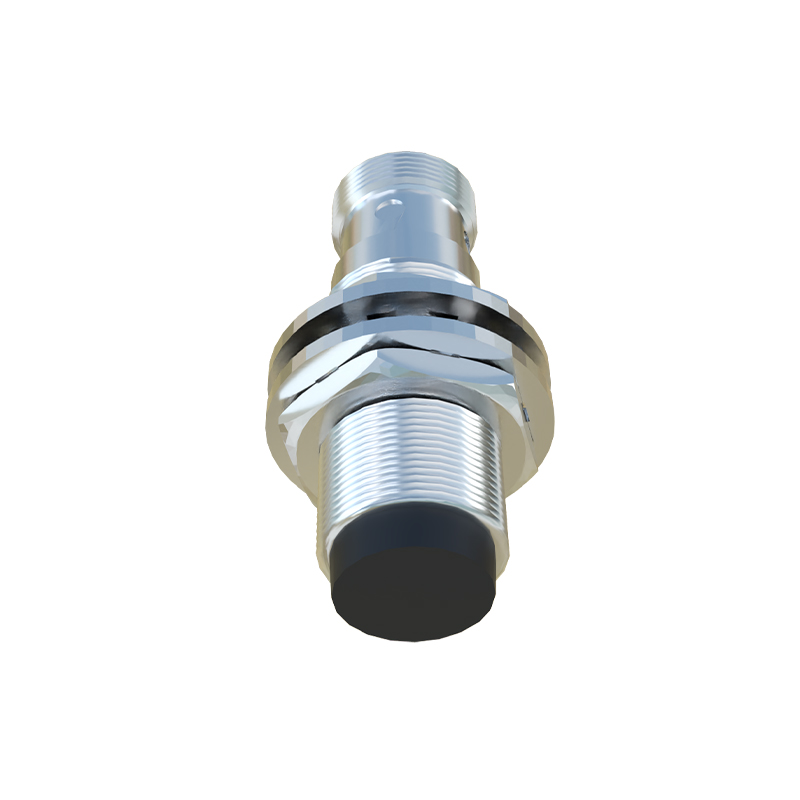
Key benefits of adjustable proximity switches include enhanced operational efficiency, reduced downtime, and improved safety. By allowing on-site calibration, these sensors eliminate the need for frequent replacements or complex reconfigurations, saving time and costs. In automotive assembly lines, adjustable sensors precisely detect components on fast-moving robots, contributing to seamless automation. Similarly, in packaging machinery, they ensure accurate product counting and positioning, enhancing quality control.
When selecting an adjustable proximity sensor, engineers must consider factors like environmental conditions, target material, required sensing range, and output type (e.g., NPN, PNP, or analog). IP ratings for dust and water resistance are vital for outdoor or washdown applications. Additionally, modern sensors often integrate diagnostic features, such as LED indicators or IO-Link communication, enabling predictive maintenance and real-time monitoring.
Installation and maintenance best practices involve proper mounting alignment, avoiding metal-to-metal contact to prevent interference, and regular testing under operational conditions. As Industry 4.0 advances, adjustable proximity sensors are increasingly integrated into smart networks, supporting data-driven decision-making and adaptive manufacturing processes.
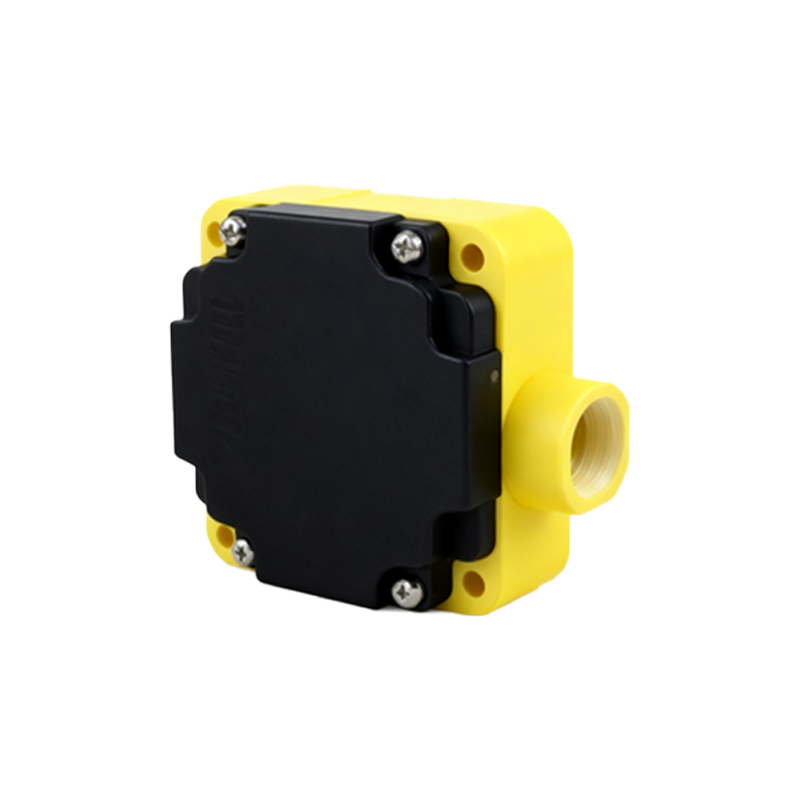
In summary, adjustable proximity switch sensors represent a fusion of precision engineering and versatile design, empowering industries to achieve higher levels of automation and efficiency. Their ability to adapt to changing demands makes them indispensable in sectors ranging from food processing to robotics, driving innovation and productivity in the global industrial landscape.