Laser rangefinder sensors have become integral components across a diverse range of industries, from robotics and autonomous vehicles to construction and surveying. These devices operate on the principle of Time-of-Flight (ToF) or phase-shift measurement, emitting a laser pulse and calculating distance based on the time it takes for the reflection to return. While their precision is renowned, a balanced understanding requires examining both their strengths and limitations.
One of the most significant advantages of laser rangefinders is their exceptional accuracy and precision. Capable of measuring distances down to millimeter-level accuracy over several hundred meters, they outperform many other ranging technologies like ultrasonic sensors, especially in open environments. This high degree of reliability is crucial for applications where small errors can have large consequences, such as in topographic mapping, architectural planning, or aligning industrial machinery.
Furthermore, laser sensors offer a high measurement speed and excellent directivity. A single laser pulse can provide an almost instantaneous reading, enabling rapid data collection for dynamic systems like self-driving cars that need real-time environmental perception. The narrow, focused beam of a laser minimizes interference from surrounding objects, allowing for precise targeting. This focused nature also enables the creation of detailed 3D point clouds when used in scanning configurations, which is invaluable for modeling complex structures or landscapes.
Another key benefit is their performance over long ranges. Unlike technologies that degrade quickly with distance, laser rangefinders can effectively measure over vast distances, limited primarily by laser power and atmospheric conditions. This makes them ideal for forestry management, golfing, and long-range military targeting. They are also largely immune to ambient noise and varying light conditions that plague vision-based systems, providing consistent operation in diverse lighting environments.
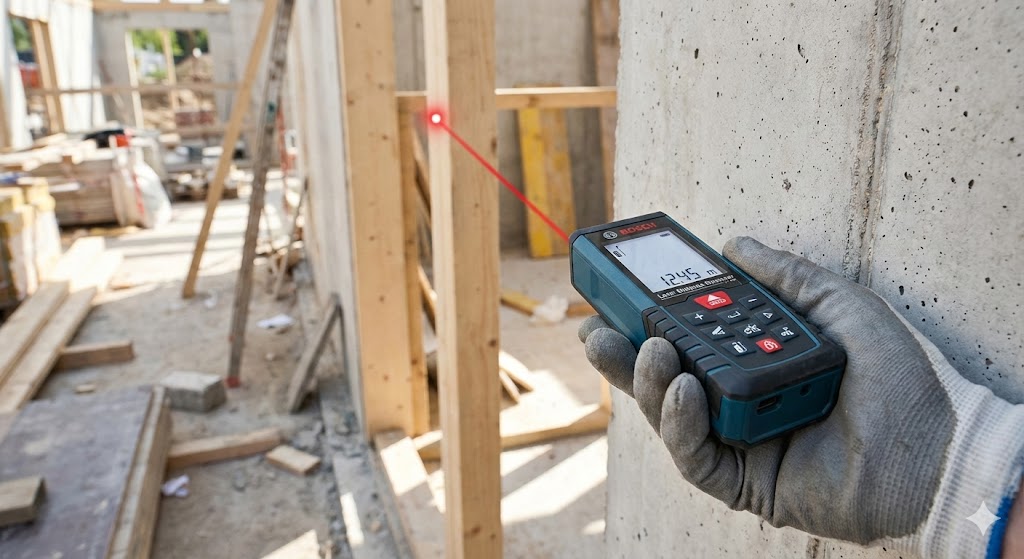
However, the technology is not without its distinct disadvantages. The most prominent drawback is the high cost. The sophisticated optics, precise lasers, and advanced processing electronics involved make laser rangefinders significantly more expensive than simpler alternatives like ultrasonic or infrared sensors. This cost can be prohibitive for consumer-grade applications or large-scale deployments requiring numerous units.
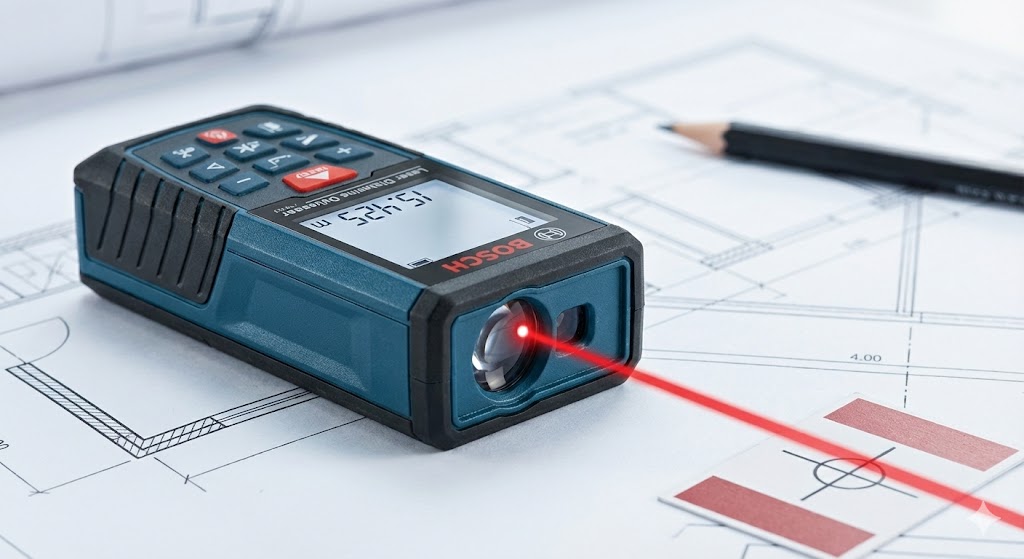
Performance can also be severely impacted by environmental conditions. Fog, rain, dust, and snow can scatter or absorb the laser beam, leading to inaccurate readings or complete signal loss. Surfaces that are highly reflective, transparent, or absorbent (like black asphalt) can also pose challenges, causing signal saturation, penetration, or weak return signals. This environmental sensitivity limits reliability in certain outdoor or industrial settings.
Safety is a critical concern, particularly with higher-powered Class 3R or Class 4 lasers. The concentrated beam can pose a serious risk to human eyesight, necessitating strict safety protocols, protective equipment, and often regulatory compliance. This adds a layer of complexity to their deployment and operation compared to completely harmless sensing methods.
Finally, laser rangefinders are generally considered "one-dimensional" sensors—they measure the distance to a single point. To understand a full scene, they must be scanned mechanically or integrated into an array, adding to system complexity, cost, and potential points of failure. They also struggle with providing contextual data about a target's material or texture, which fusion with camera data often seeks to address.
In conclusion, laser rangefinder sensors are powerful tools defined by high precision, speed, and long-range capability. Their selection, however, must be weighed against factors like cost, environmental vulnerability, and safety requirements. The optimal application leverages their pinpoint accuracy while mitigating their weaknesses, often through sensor fusion with complementary technologies like radar or cameras, to build a robust and comprehensive perception system.