In the realm of industrial automation, standard proximity sensors have become indispensable components, offering reliable non-contact detection capabilities that enhance efficiency and safety. These sensors operate by emitting an electromagnetic field or a beam of electromagnetic radiation, typically infrared, and detecting changes in the field or return signal when an object enters their sensing range. Unlike mechanical switches, they do not require physical contact, thereby reducing wear and tear and minimizing maintenance needs. This fundamental characteristic makes them ideal for harsh environments where dust, moisture, or extreme temperatures might compromise other sensing methods.
One of the primary advantages of standard proximity sensors is their versatility. They are available in various types, including inductive, capacitive, and photoelectric sensors, each suited to specific applications. Inductive sensors, for instance, excel at detecting metallic objects and are commonly used in metalworking, automotive assembly, and conveyor systems. Capacitive sensors can detect both metallic and non-metallic materials, such as plastics, liquids, or granular substances, making them valuable in packaging, food processing, and chemical industries. Photoelectric sensors, which use light beams, offer long sensing ranges and are effective for detecting objects of varying colors and transparency levels, often employed in material handling and logistics.
The standardization of these sensors plays a crucial role in their widespread adoption. Industry standards, such as those set by IEC (International Electrotechnical Commission) and ISO (International Organization for Standardization), ensure compatibility, interoperability, and safety across different manufacturers and systems. Standard proximity sensors typically feature uniform mounting dimensions, electrical connections, and output signals, simplifying integration into existing machinery and reducing downtime during installation or replacement. This consistency allows engineers to design systems with confidence, knowing that sensors from multiple suppliers will perform predictably.
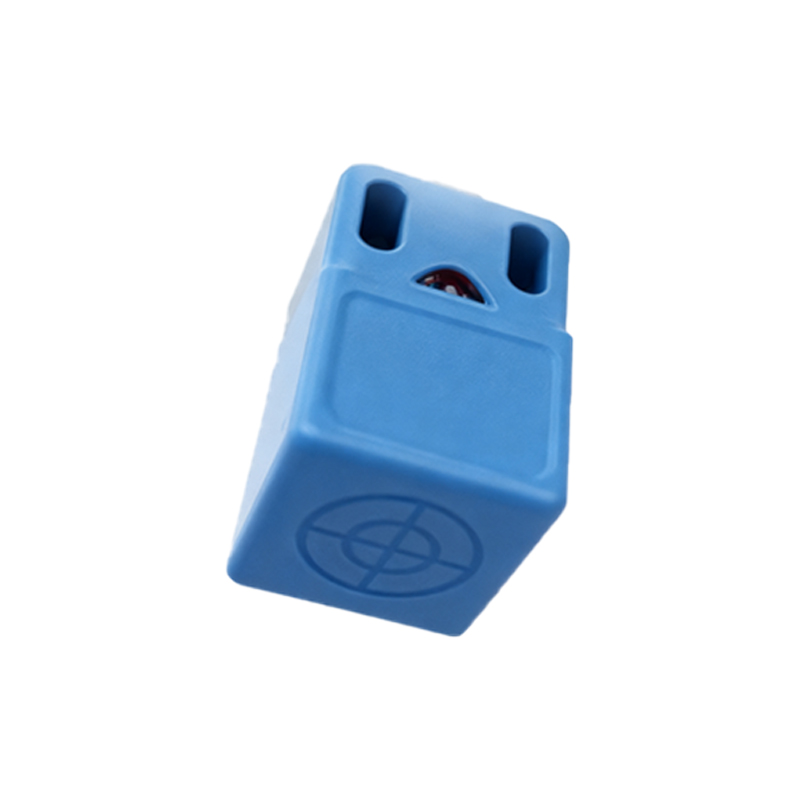
From a performance perspective, standard proximity sensors offer high precision and repeatability. They can detect objects with millimeter accuracy, even at high speeds, which is essential for applications like positioning, counting, or quality control in manufacturing lines. Their fast response times, often in the microsecond range, enable real-time monitoring and control, contributing to increased throughput and reduced error rates. Additionally, many models are designed with robust housings, such as stainless steel or nickel-plated brass, providing resistance to corrosion, vibration, and mechanical shocks. This durability ensures long service life, even in demanding conditions like mining, construction, or outdoor installations.
Energy efficiency is another notable benefit. Modern standard proximity sensors are engineered to consume minimal power while maintaining optimal performance, aligning with global trends toward sustainable industrial practices. Some advanced versions incorporate energy-saving modes or programmable features that adjust sensitivity based on operational needs, further reducing overall system power consumption. This not only lowers operational costs but also supports compliance with environmental regulations.
In terms of safety, these sensors contribute significantly to protecting personnel and equipment. By enabling non-contact detection, they eliminate the risk of accidents associated with moving parts or electrical contacts. In automated systems, they can trigger emergency stops, monitor guard positions, or ensure proper alignment of machinery, preventing collisions or malfunctions. Standards like IEC 60947-5-2 specify safety requirements for proximity sensors, ensuring they meet rigorous criteria for fail-safe operation and electromagnetic compatibility.
Looking ahead, the evolution of standard proximity sensors continues with trends toward miniaturization, enhanced connectivity, and smart capabilities. Integration with Industrial Internet of Things (IIoT) platforms allows for remote monitoring, predictive maintenance, and data analytics, enabling proactive management of industrial processes. Despite these advancements, the core principles of reliability, standardization, and adaptability remain paramount, solidifying the role of standard proximity sensors as foundational elements in modern automation.
For engineers and system integrators, selecting the right sensor involves considering factors such as sensing range, material compatibility, environmental conditions, and regulatory standards. By leveraging the benefits of standard proximity sensors, industries can achieve higher productivity, improved safety, and reduced operational costs, driving innovation across sectors from manufacturing to energy.