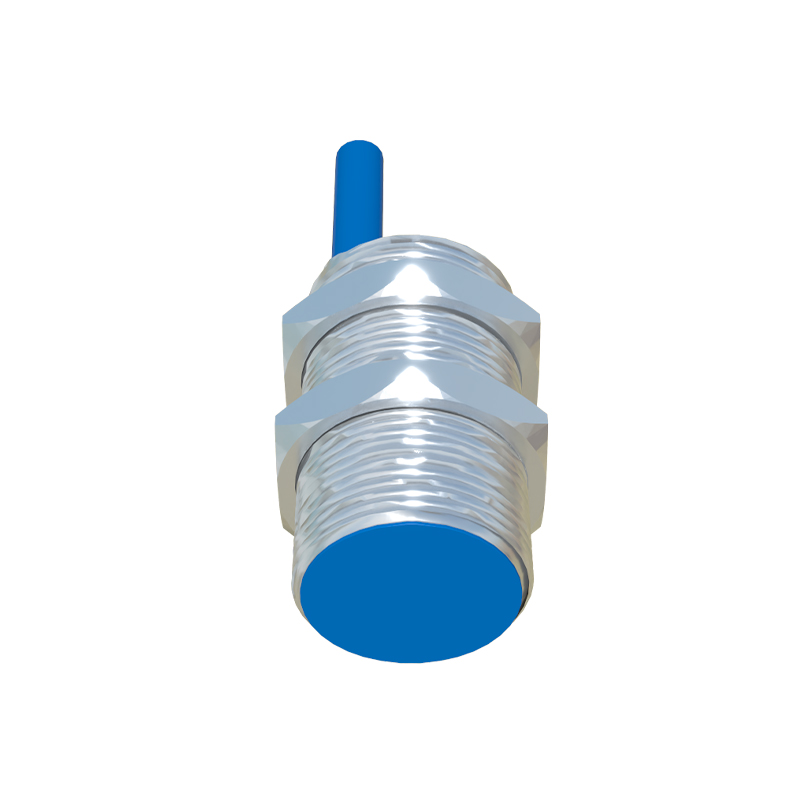
In the realm of industrial automation, precision, reliability, and safety are paramount. Z3 proximity sensors have emerged as a cornerstone technology, offering non-contact detection capabilities that are essential for modern manufacturing, packaging, robotics, and material handling systems. These sensors operate on the principle of electromagnetic field generation or capacitive sensing, allowing them to detect the presence or absence of metallic or non-metallic objects without physical contact. This non-invasive nature significantly reduces wear and tear, leading to enhanced durability and lower maintenance costs over time.
The Z3 series is renowned for its robust construction, typically featuring stainless steel or high-grade polymer housings that provide exceptional resistance to harsh industrial environments. This includes protection against dust, moisture, oils, and chemical splashes, often conforming to IP67 or higher ingress protection ratings. Such resilience ensures consistent performance in demanding applications, from automotive assembly lines to food processing plants. One of the key advantages of Z3 sensors is their high switching frequency and rapid response times. This enables real-time monitoring and control, which is critical for high-speed production processes where even millisecond delays can impact efficiency and product quality.
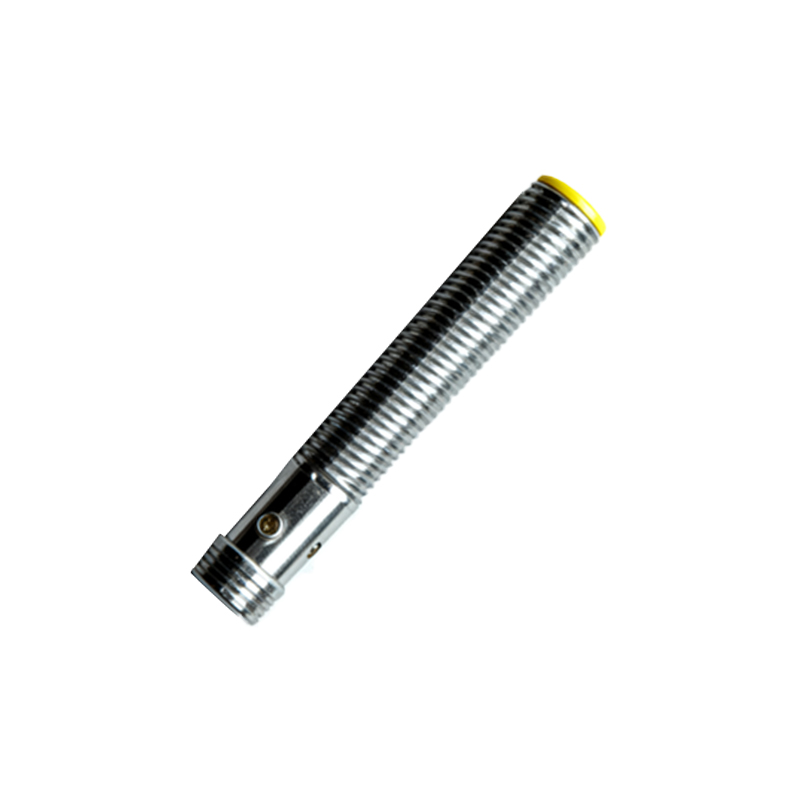
Furthermore, Z3 proximity sensors are designed with versatility in mind. They are available in various form factors, including cylindrical, rectangular, and ring-shaped models, catering to diverse installation requirements. The sensing distances can vary, with some models capable of detecting objects from a few millimeters up to several centimeters away. This flexibility allows engineers to integrate them seamlessly into complex machinery and tight spaces. Many Z3 sensors also feature LED indicators for easy status monitoring and diagnostic purposes, simplifying troubleshooting and reducing downtime.
In terms of electrical compatibility, these sensors typically support a wide range of voltage inputs, such as 10-30V DC, and offer both NPN and PNP output configurations. This broad compatibility ensures they can interface effortlessly with programmable logic controllers (PLCs), relays, and other control systems. Advanced versions may include features like short-circuit protection, reverse polarity protection, and noise immunity, which enhance system stability and prevent operational failures.
From a safety perspective, Z3 proximity sensors play a crucial role in machine guarding and hazard prevention. By detecting the position of guards, doors, or moving parts, they help enforce safety protocols, automatically halting machinery when unauthorized access is detected or when objects deviate from predefined paths. This not only protects personnel but also safeguards expensive equipment from damage. In automated guided vehicles (AGVs) and robotic arms, these sensors facilitate precise object positioning and collision avoidance, contributing to smoother and safer operations.
The integration of Z3 sensors with Industry 4.0 initiatives is another significant aspect. Many modern Z3 models support IO-Link communication, enabling smart sensor functionalities such as parameter configuration, condition monitoring, and predictive maintenance. This connectivity allows for data exchange with higher-level control systems, providing insights into sensor health and operational trends. By leveraging this data, manufacturers can optimize processes, reduce energy consumption, and preemptively address potential issues before they lead to unplanned stoppages.
In conclusion, Z3 proximity sensors represent a blend of ruggedness, precision, and intelligence that is vital for contemporary industrial applications. Their ability to deliver accurate, contactless detection under challenging conditions makes them indispensable for enhancing productivity, ensuring safety, and supporting the transition towards smarter, more connected factories. As automation continues to evolve, the role of reliable sensing technologies like the Z3 series will only grow in importance, driving efficiency and innovation across sectors.