In industrial automation, logistics, and safety systems, photoelectric proximity sensors play a crucial role in non-contact detection. A common question among engineers and procurement specialists is: "What determines the price of a photoelectric sensor?" The cost is not a single figure but a spectrum influenced by a complex interplay of technology, specifications, and market dynamics.
At its core, the sensing technology type is a primary cost driver. The three main types—through-beam, retro-reflective, and diffuse reflective—vary in price due to design complexity. Through-beam sensors, requiring separate emitter and receiver units, often command a higher price point than self-contained diffuse reflective models. More advanced versions, like background suppression or true background suppression sensors, incorporate sophisticated optics and electronics to ignore distant objects, resulting in a significant price premium over standard diffuse types.
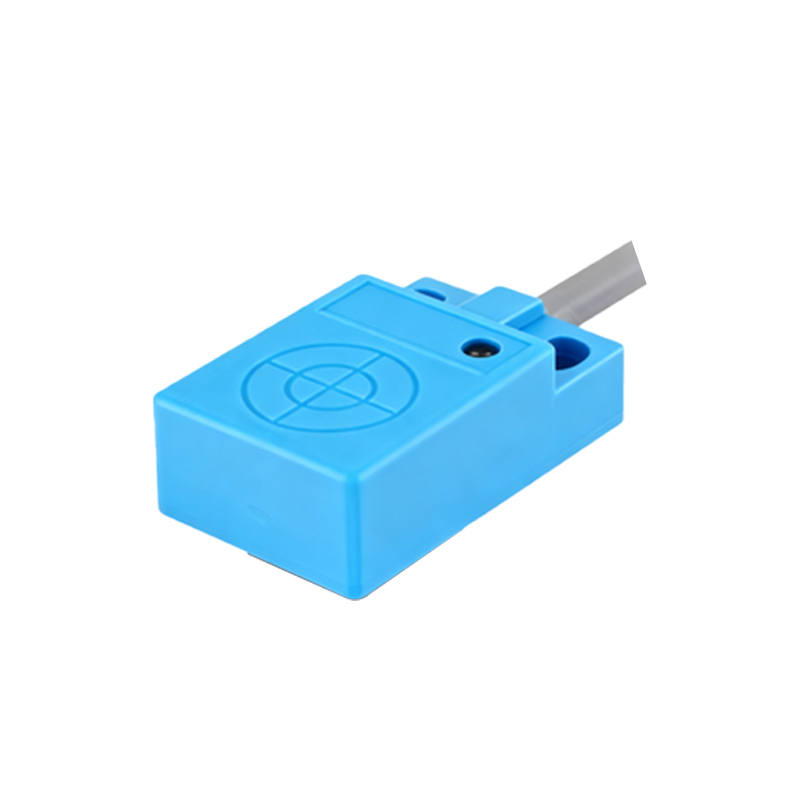
Performance specifications directly correlate with cost. Sensing range is a major factor; a sensor with a 50-meter range will be considerably more expensive than one with a 10-centimeter range, as it requires more powerful LEDs or laser diodes and precise lenses. Response time is another critical specification. High-speed sensors used in packaging or bottling lines, with response times in the microsecond range, utilize faster processing circuits and higher-quality components, increasing manufacturing costs. Similarly, resolution and spot size precision, especially for small object detection, demand superior optical engineering.
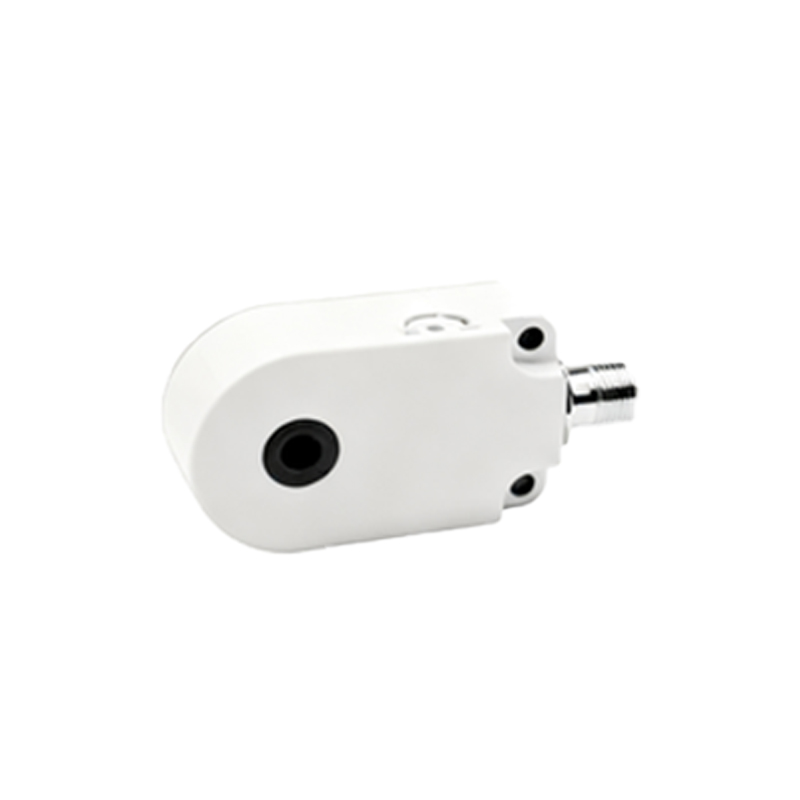
The choice of light source—typically infrared, red visible LED, or laser—impacts price. Standard infrared sensors are generally the most economical. Red LED sensors, useful for visual alignment, may carry a slight premium. Laser-based sensors, offering extremely focused beams for high-precision applications or long ranges, are typically at the top of the price tier due to the cost of the laser diode and associated safety components.
Build quality and housing material are fundamental to price and longevity. Sensors housed in rugged, die-cast zinc or stainless steel enclosures with high IP (Ingress Protection) ratings (e.g., IP67, IP69K) for resistance to dust, water, and chemicals are more expensive than those in basic plastic housings. Industrial-grade sensors designed for extreme temperatures, high-pressure washdowns, or corrosive environments require specialized materials and sealing processes, adding to the unit cost.
Electrical output and connectivity options also influence the final price. Basic models with NPN or PNP transistor outputs are standard. Sensors featuring analog outputs (4-20mA, 0-10V), IO-Link digital communication, or programmable functions offer greater integration and data capabilities but at a higher cost. The inclusion of advanced diagnostics, such as teach-in functions or signal strength indicators, adds both value and expense.
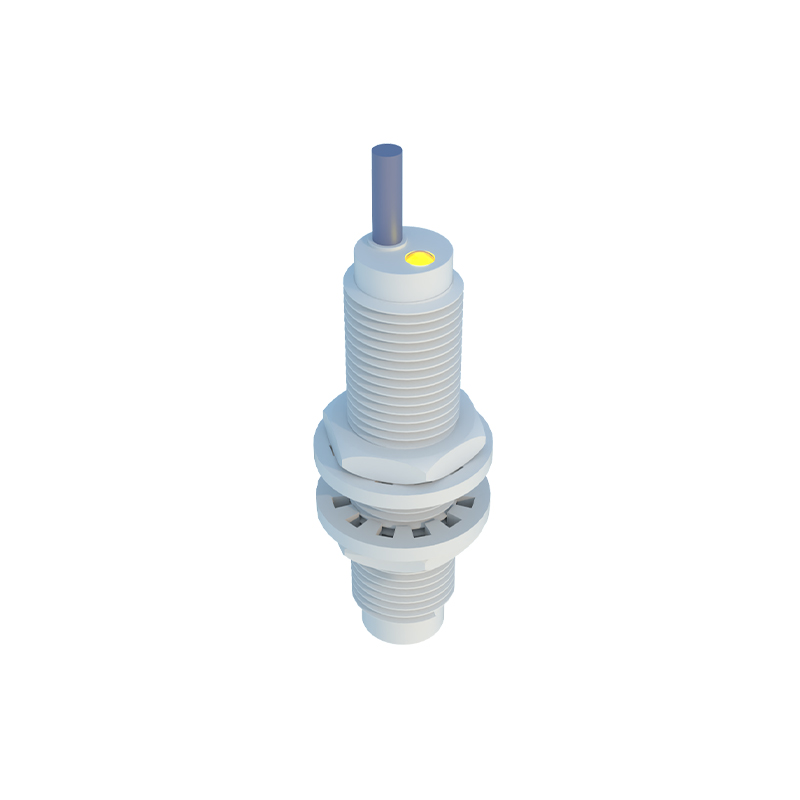
Brand reputation and supply chain logistics play a significant role in market pricing. Established global brands often price their sensors higher, justified by extensive R&D, proven reliability, worldwide technical support, and consistent quality control. However, robust competition from reputable manufacturers in Asia and Europe has introduced high-quality alternatives at more competitive price points, offering excellent value.
Market trends are currently shaping prices in several ways. The increasing adoption of Industry 4.0 and IIoT (Industrial Internet of Things) is driving demand for smart sensors with connectivity features, potentially raising average selling prices for feature-rich models. Conversely, economies of scale and improved manufacturing processes for standard sensor types are applying downward pressure on their costs. The global semiconductor and component shortages of recent years highlighted supply chain vulnerabilities, causing price volatility and extended lead times, though the situation is gradually stabilizing.
For buyers, the key is total cost of ownership, not just the initial purchase price. A slightly more expensive sensor from a reliable supplier that offers precise performance, durability, and minimal downtime can provide far greater long-term value than a cheaper, less reliable alternative that fails prematurely. Consulting directly with sensor manufacturers or authorized distributors for specific application requirements is the most effective way to obtain accurate pricing and ensure optimal sensor selection for both performance and budget.