In the world of industrial material handling, conveyor belts are the workhorses, moving everything from raw minerals to packaged goods across vast facilities. Their relentless operation is crucial for productivity, but it also introduces significant risks. One of the most common and hazardous failures is belt misalignment, often called "run-off" or "belt wander." This is where the Run-off Switch, also known as a belt misalignment switch or limit switch, becomes a non-negotiable component of operational safety and asset protection.
A run-off switch is a mechanically activated safety device designed to monitor the lateral position of a conveyor belt. Its primary function is straightforward: to automatically stop the conveyor system if the belt deviates from its intended tracking path beyond a preset limit. This simple action prevents a cascade of potential disasters. When a belt drifts too far to one side, it can suffer severe edge damage, leading to rips and tears. More critically, a severely misaligned belt can ride off its rollers entirely, causing catastrophic structural damage to the belt itself, the idlers, and the conveyor frame. The resulting downtime for repairs can be extensive and costly, not to mention the safety hazard posed by a violently flailing, broken belt or spilled material.
The operational principle of a typical run-off switch is elegantly simple. The device is mounted on the conveyor structure, usually on both sides of the belt along vulnerable sections like the head or tail pulleys, loading points, or along long unsupported spans. A pivotal sensing arm, or paddle, is positioned parallel to the belt's edge with a small clearance. Under normal operation, the belt runs freely without touching the arm. However, if misalignment occurs, the moving belt makes contact with this arm. The force of the belt against the arm triggers a mechanical linkage, which actuates an internal, heavy-duty snap-action switch. This switch immediately breaks the control circuit of the conveyor drive motor, initiating an emergency stop. Many modern switches are equipped with a manual reset mechanism; after the misalignment cause is identified and corrected, an operator must physically reset the switch on the device itself before the conveyor can be restarted, ensuring the issue is addressed.
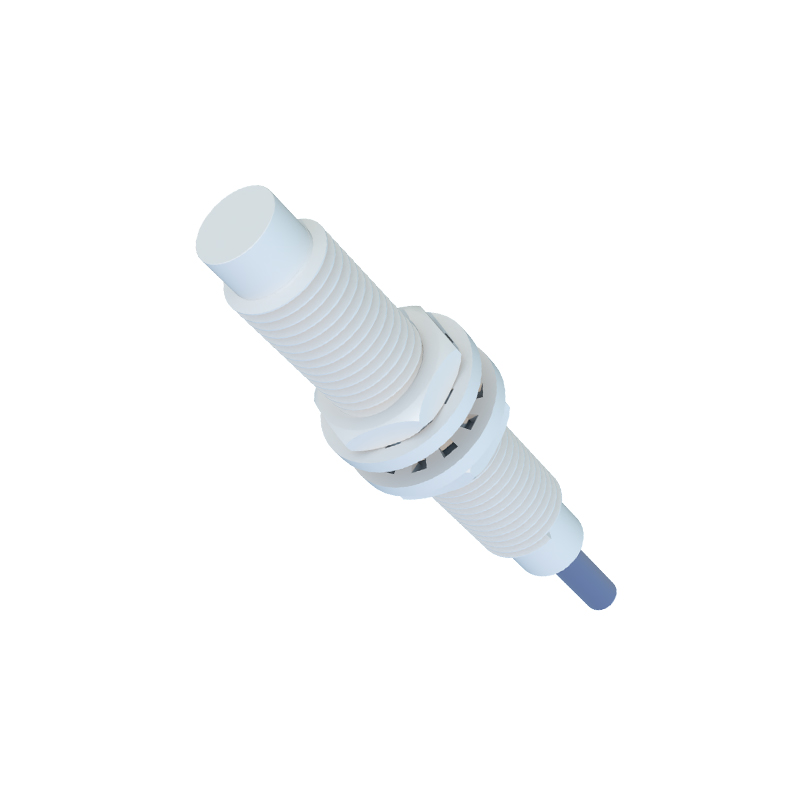
Several key design features define a robust run-off switch. The housing is typically constructed from cast aluminum or heavy-gauge steel to withstand harsh industrial environments, including dust, moisture, and vibration. The sensing arm must be durable yet sensitive, often made from steel or polymer compounds. Sealing to IP65/IP67 standards is common to protect internal components from ingress. The internal electrical switch is rated for the conveyor's control voltage and current, often featuring a direct-acting design for reliability. Some advanced models offer additional functionality, such as two-stage switching for an early warning alarm before a full shutdown, or potentiometer-based models that provide continuous belt position feedback to a control system.
Selecting and installing the correct run-off switch is critical for effectiveness. Factors to consider include the belt speed, width, and the nature of the material being conveyed. The switch must be mounted securely on the rigid part of the conveyor frame, not on easily flexing guards. The positioning of the sensing arm is crucial—it must be close enough to detect misalignment early but not so close that normal belt vibration causes false trips. It is generally recommended to install switches in pairs on both sides of the belt for comprehensive protection. Regular testing and maintenance are essential; the actuating arm should move freely, and the emergency stop function should be tested periodically as part of a facility's safety protocol.
Beyond the basic mechanical switch, technology has evolved. Electronic alignment monitoring systems now exist, using lasers or ultrasonic sensors to provide precise, non-contact measurement of belt position. These can integrate with plant-wide monitoring systems for predictive maintenance. However, the traditional mechanical run-off switch remains overwhelmingly popular due to its proven reliability, simplicity, independence from external power for its core function, and lower cost. It performs a singular, vital task without complexity.
In conclusion, the run-off switch is a fundamental safety interlock in conveyor operation. It is a first line of defense against one of the most frequent mechanical failures in bulk handling. By ensuring immediate shutdown upon misalignment, it protects expensive capital equipment, minimizes unplanned downtime, and, most importantly, safeguards personnel from the dangers associated with a failing conveyor belt. Its presence is a hallmark of a responsibly managed and safety-conscious industrial operation, where preventing failure is always prioritized over reacting to it. No conveyor system subject to tracking issues should be considered complete without this essential guardian.