In industrial automation, manufacturing, and countless electronic systems, proximity sensors play a critical role. These non-contact devices detect the presence or absence of an object, triggering actions without physical touch. From conveyor belts to robotic arms and safety interlocks, their reliable operation is paramount. However, like all components, they can fail due to environmental factors, electrical surges, or physical damage. This is where a dedicated proximity sensor repair kit becomes an indispensable tool for maintenance technicians, engineers, and DIY enthusiasts working with automated systems.
A well-equipped proximity sensor repair kit is more than just a random assortment of tools. It is a curated collection designed specifically for the diagnosis, repair, and maintenance of various proximity sensor types, including inductive, capacitive, and photoelectric sensors. The core philosophy is to enable on-site troubleshooting and repair, minimizing machine downtime and avoiding the higher costs and delays associated with complete sensor replacement. Having the right kit on hand transforms a complex problem into a manageable, routine maintenance task.
So, what essential components should a comprehensive kit contain? First and foremost are the specialized tools. Precision screwdrivers with various head types (flat, Phillips, Torx) are necessary for opening sensor housings. Hex key sets, both metric and imperial, are equally crucial. A high-quality multimeter is the diagnostic heart of the kit. It allows technicians to check voltage supplies, measure output signals, and test continuity, helping to isolate whether an issue is with the sensor itself, its wiring, or the power source. A signal tester or simulator is another advanced but highly useful tool; it can mimic a sensor's output to test the downstream controller or input card.
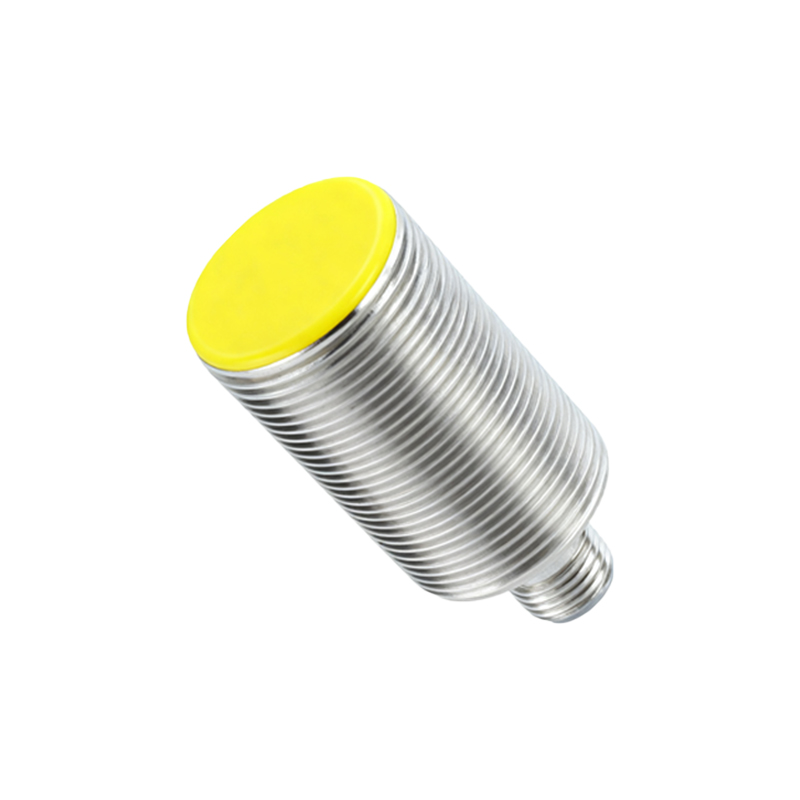
Beyond tools, the kit must include critical spare parts and consumables. This often features a selection of replacement sensing faces or lenses, which can become scratched or coated in materials that impair function. Various O-rings and gaskets are essential for restoring the ingress protection (IP) rating of a sensor after it has been opened, ensuring it remains dust-tight and waterproof. A supply of correct terminal connectors, wire ferrules, and heat-shrink tubing is vital for repairing damaged cables. The kit should also contain contact cleaners and isopropyl alcohol for cleaning internal circuits and sensing elements without causing damage.
The process of using the kit follows a logical diagnostic sequence. Safety is always the first step: lock out and tag out the equipment to prevent accidental activation. Begin with a visual inspection using a flashlight from the kit, looking for obvious physical damage, cracked housings, or worn cables. Next, use the multimeter to verify the sensor's power supply is within the specified range. Then, check the output. For a normally open sensor, the multimeter should show a voltage change when a target object is brought into the sensing field. If there is no change, the sensor may be faulty. Before condemning the sensor, use the kit's tools to disassemble it carefully. Inspect internal components for burnt spots, loose connections, or damaged circuitry. Clean the sensing coil or optical components. Replace any worn gaskets. After reassembly with the new seals, perform a final functional test.
Investing in a quality proximity sensor repair kit offers significant advantages. The most apparent is cost savings. Repairing a $200 sensor with a $5 gasket and 30 minutes of labor is far more economical than replacing it. It reduces inventory needs, as you no longer must stock every possible sensor model as a spare—you stock a kit that can service many. Furthermore, it empowers maintenance teams, reduces dependency on external suppliers, and drastically cuts mean time to repair (MTTR), keeping production lines running smoothly.
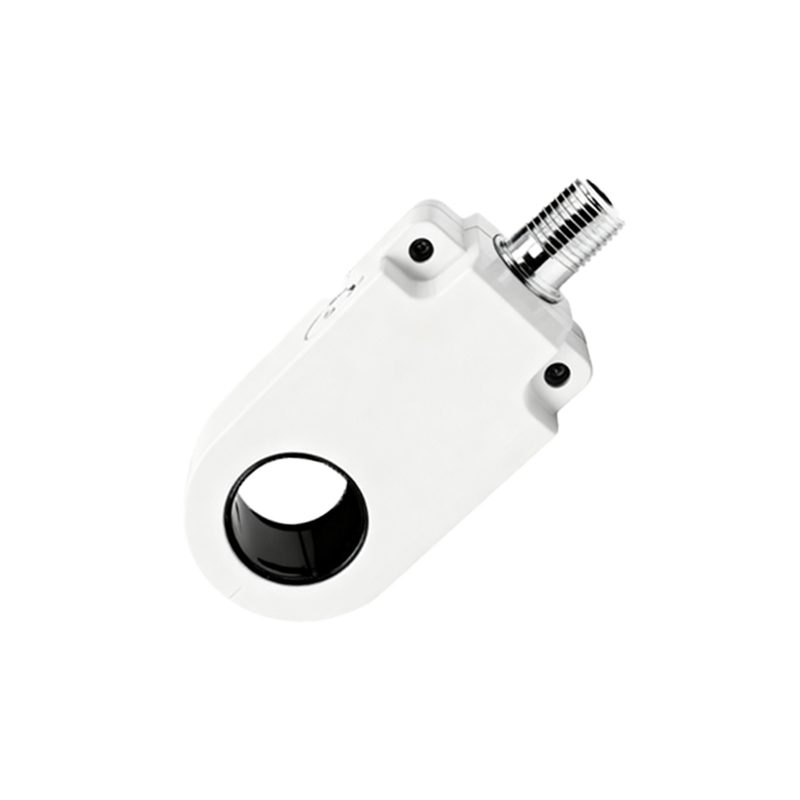
When selecting a kit, consider the specific sensors in your facility. A kit geared for heavy-duty inductive sensors in a metalworking plant will differ from one intended for cleanroom photoelectric sensors. Look for kits from reputable industrial tool suppliers that offer durability and organization, such as in a sturdy, compartmentalized case. The initial investment is quickly offset by the avoidance of even a single major production stoppage. In the world of modern maintenance, a proximity sensor repair kit is not just a convenience; it is a strategic asset for ensuring operational continuity and efficiency.