In the intricate ballet of modern driving, where vehicles navigate tight parking spots, bustling city streets, and complex traffic scenarios, a suite of silent sentinels works tirelessly to prevent collisions and enhance driver confidence. These are automotive proximity sensors, the technological fingertips of a vehicle that perceive the immediate environment beyond the driver's direct line of sight. Far from being a mere luxury add-on, these systems have evolved into fundamental components of active safety and convenience, reshaping our interaction with the automobile.
At their core, proximity sensors are devices that detect the presence of nearby objects without any physical contact. In the automotive context, they form a protective bubble around the vehicle. The most common implementation is the Ultrasonic Sensor. Typically embedded in the front and rear bumpers, these sensors emit high-frequency sound waves (inaudible to humans) and measure the time it takes for the echo to return. This "time-of-flight" data is processed by the vehicle's computer to calculate the distance to an obstacle. When an object enters a predefined zone, the system alerts the driver through an audible beep that increases in frequency as the distance decreases, often accompanied by a visual display on the infotainment screen. This technology is the backbone of most Park Distance Control (PDC) systems, turning parallel parking from a stressful maneuver into a guided, precise operation.
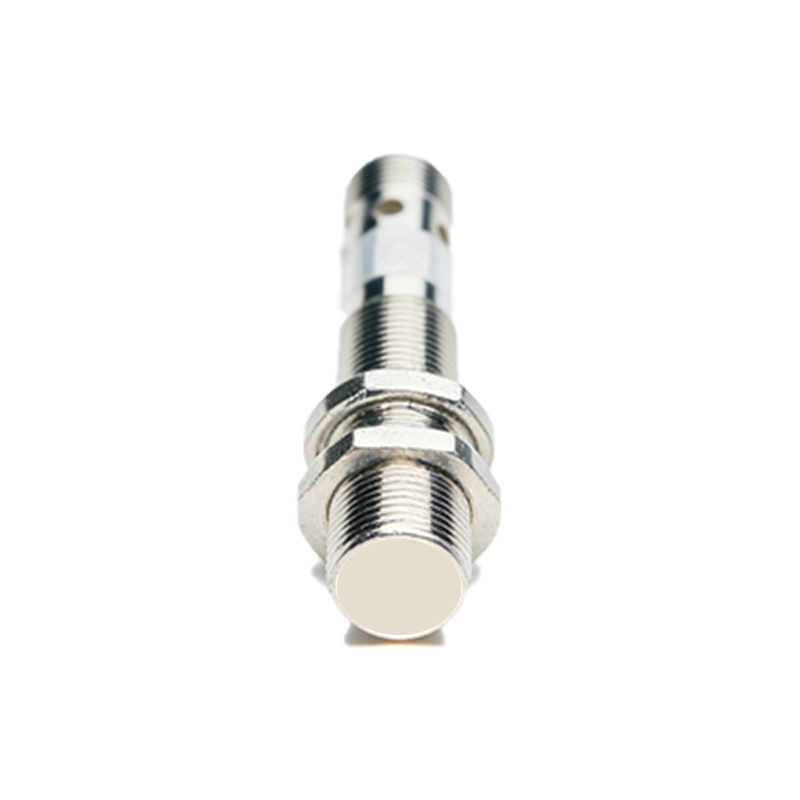
However, the realm of proximity sensing extends beyond sound. Radar-based sensors, often operating at 24 GHz or 77 GHz frequencies, offer greater range and are less susceptible to environmental factors like rain or dust. They are frequently used in Blind Spot Detection (BSD) systems, monitoring the areas alongside and slightly behind the vehicle. When a car enters the blind spot, a warning light illuminates on the corresponding side mirror, providing a crucial visual cue to prevent lane-change accidents. Furthermore, these radar sensors are integral to advanced driver-assistance systems (ADAS) like Adaptive Cruise Control, where they maintain a safe following distance from the vehicle ahead.
The latest frontier involves the fusion of sensor technologies. Many modern vehicles, especially those equipped with semi-autonomous driving features, combine ultrasonic sensors, radar, and cameras into a comprehensive sensor suite. This sensor fusion creates a more robust and accurate perception of the vehicle's surroundings. For instance, a camera can visually identify an object, while radar confirms its distance and relative speed, allowing the system to distinguish between a stationary lamppost and a pedestrian about to step off the curb. This layered approach is critical for the functionality of Automated Emergency Braking (AEB) and Cross-Traffic Alert systems, which can warn of or even intervene to mitigate collisions from various angles.
The benefits of these systems are tangible. Primarily, they significantly reduce low-speed collisions, particularly during parking, which are among the most common insurance claims. They reduce driver stress and fatigue by acting as an extra set of eyes, especially in visually challenging situations like reversing out of a driveway with limited visibility. For new drivers or those operating larger vehicles like SUVs and trucks, these sensors provide invaluable spatial awareness.
Despite their advantages, drivers must understand their limitations. Sensors can be obstructed by dirt, ice, or heavy rain, potentially reducing their effectiveness. They may also struggle with certain objects, like thin poles or low curbs, which might not reflect signals effectively. Therefore, they are designed as assistance systems, not replacements for attentive driving. The driver remains ultimately responsible for the vehicle's operation.
Looking ahead, the role of proximity sensors will only expand with the march toward higher levels of vehicle automation. They are essential for features like remote-controlled parking, where the driver can move the car into a tight spot from outside using a smartphone app, and for creating detailed 360-degree bird's-eye view monitoring systems. As technology progresses, we may see more sophisticated systems using LiDAR (Light Detection and Ranging) or enhanced AI processing to interpret sensor data with even greater context and predictive capability.
In essence, automotive proximity sensors represent a perfect synergy of electronics, software, and practical utility. They operate unobtrusively in the background, continuously mapping the invisible boundaries around the vehicle. By providing precise, real-time feedback about the immediate environment, they empower drivers, prevent accidents, and pave the way for a future where driving is safer and more intuitive. They are, without a doubt, the invisible guardians making our roads safer, one beep and one warning light at a time.