Proximity sensors have become an integral component in countless devices and industrial systems, silently performing their function of detecting the presence or absence of objects without any physical contact. But how exactly do they work, and what makes them so versatile? At their core, proximity sensors operate by emitting an electromagnetic field or a beam of radiation, such as infrared light, and then looking for changes in the field or return signal. The object being detected is often referred to as the sensor's "target.
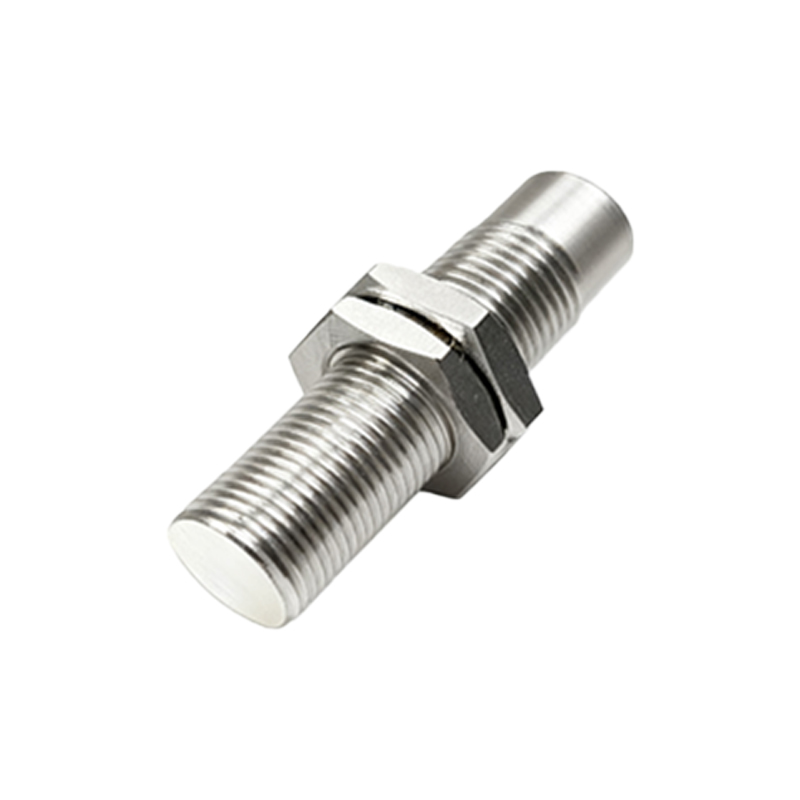
The most common types are inductive, capacitive, and photoelectric sensors. Inductive proximity sensors are used to detect metallic objects. They generate an oscillating electromagnetic field from a coil. When a metal target enters this field, it induces eddy currents within the metal, which causes a change in the oscillation amplitude. The sensor's circuit detects this change and triggers a switch. These sensors are robust, reliable for industrial environments, and unaffected by dust, oil, or water splashes.
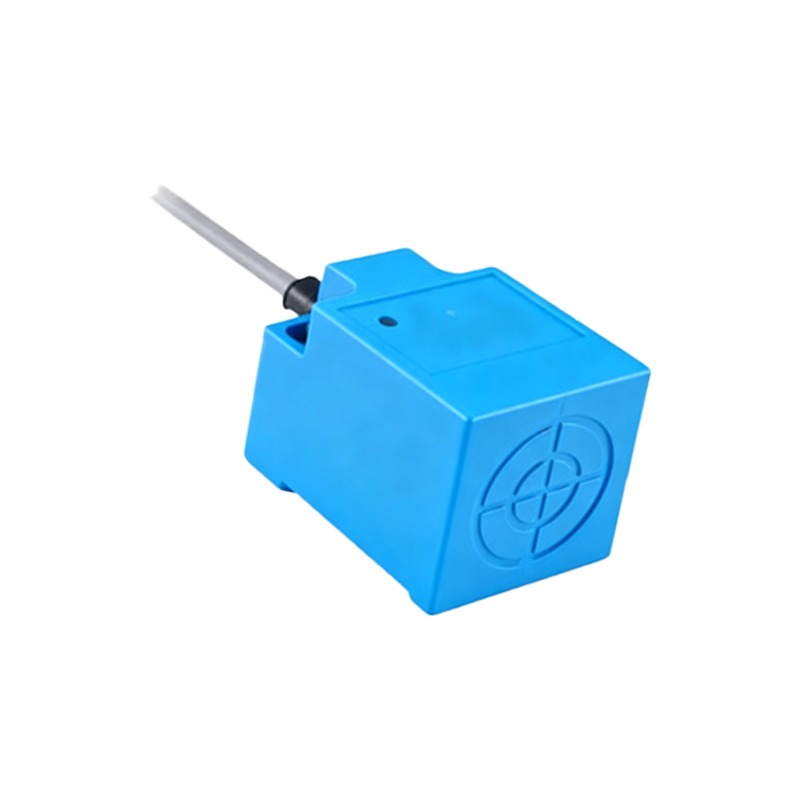
Capacitive proximity sensors, on the other hand, can detect both metallic and non-metallic materials like liquids, plastics, wood, or granules. They function by generating an electrostatic field. When a target object enters this field, it alters the capacitance of the sensor's circuit, triggering detection. This makes them ideal for applications like liquid level detection in tanks or sensing powdery materials through container walls.
Photoelectric sensors use light, typically infrared, to detect objects. They consist of an emitter and a receiver. In the through-beam type, the object breaks the light beam between separate emitter and receiver units. In the retro-reflective type, the beam bounces off a reflector back to the receiver, and the object breaks this path. The diffuse type relies on the target itself reflecting the emitted light back to the receiver located in the same housing. These are excellent for long-range detection and sensing non-metallic objects.
The advantages of using proximity sensors are numerous. Their non-contact nature means no physical wear and tear on the sensor or the target, leading to exceptionally long service life and high reliability. They can operate at high speeds, detecting objects passing by in milliseconds, which is crucial for automation and counting applications. Furthermore, they perform well in harsh environments where physical contact switches would fail, resisting contaminants like dirt, grease, and moisture.
In practice, you interact with proximity sensors daily. In your smartphone, a small proximity sensor near the earpiece turns off the touchscreen during a call to prevent accidental cheek-presses. Automatic doors in supermarkets use them to detect approaching customers. In automotive manufacturing, inductive sensors ensure robotic arms are precisely positioned. In home appliances, capacitive sensors in touch-controlled faucets or cooker hobs detect a hand's presence. More complex applications include object counting on conveyor belts, anti-collision systems on vehicles, and even as safety guards on machinery, where breaking an invisible photoelectric beam can trigger an emergency stop.
When selecting a proximity sensor, several factors must be considered. The sensing range, or the maximum distance at which it can reliably detect a standard target, is primary. The nature of the target material (metal, plastic, liquid) dictates whether an inductive, capacitive, or photoelectric sensor is needed. Environmental conditions like temperature, presence of chemicals, or washdown requirements determine the needed housing material and protection rating (like IP67). Finally, the electrical output type, such as NPN or PNP transistor switching, must be compatible with the control system it connects to, like a Programmable Logic Controller (PLC).
Installation is also key for optimal performance. Sensors should be mounted securely to avoid vibration, and adequate clearance from surrounding metal (for inductive sensors) is necessary to prevent false triggering. Regular maintenance, though minimal, involves checking for physical damage, buildup of debris on the sensing face, and verifying the electrical connections.
From simple presence detection to enabling complex automation, proximity sensors are a foundational technology. Their ability to provide reliable, fast, and contactless feedback is essential for the efficiency, safety, and smart functionality of modern systems. As technology advances, we see them becoming smaller, more energy-efficient, and integrated with digital communication protocols like IO-Link, providing not just a simple on/off signal but diagnostic data about their own health and the process they are monitoring. This evolution ensures their role will only grow in the interconnected landscape of the Internet of Things and Industry 4.0.