In today's automated world, the unseen workhorses ensuring smooth operations are often sensors. Among them, proximity sensors stand out for their critical role in detection, positioning, and safety without physical contact. However, not all sensors are created equal. The key differentiator in demanding environments is durability. A durable proximity sensor is not merely a component; it is an investment in long-term operational reliability, reduced maintenance costs, and minimized downtime.
Durability in proximity sensors encompasses several core attributes that allow them to withstand harsh conditions. The first line of defense is the housing. High-quality sensors feature robust casings made from materials like stainless steel (particularly V4A/AISI 316L for corrosive settings), nickel-plated brass, or specialized engineering plastics such as PBT or PPS. These materials offer exceptional resistance to impacts, crushing forces, and constant mechanical stress from moving parts. An equally critical aspect is ingress protection, denoted by IP ratings. A rating of IP67 is often considered a minimum for industrial durability, signifying complete protection against dust and the ability to withstand temporary immersion in water. For more extreme environments, such as high-pressure washdowns in food processing or outdoor applications exposed to heavy rain, ratings of IP68 and IP69K are essential.
Environmental resilience extends beyond physical protection. Chemical resistance is paramount in industries like chemical processing, pharmaceuticals, or metalworking where sensors are exposed to oils, coolants, solvents, and aggressive cleaning agents. The sensor's housing material and the type of sensing face (e.g., PTFE-coated) must be selected to resist degradation. Furthermore, temperature extremes can cripple lesser sensors. Durable models are engineered to maintain stable performance across a wide temperature range, from freezing cold storage facilities to the intense heat near furnaces or welding stations. Electromagnetic compatibility (EMC) is another pillar of durability. In facilities crowded with motors, drives, and wireless equipment, a sensor must be immune to electromagnetic interference to prevent false triggering and ensure consistent, accurate signals.
The sensing technology itself influences longevity. Inductive proximity sensors, detecting metallic objects, are renowned for their ruggedness. With no moving parts and a sealed design, they are exceptionally resistant to dirt, dust, and moisture. Capacitive sensors, used for detecting non-metallic materials like wood, plastic, or liquids, also offer solid-state durability but require careful consideration of the sensing face material when used with abrasive substances. While ultrasonic and photoelectric sensors provide different sensing capabilities, their durability heavily relies on the quality of the transducer or lens sealing against environmental contaminants.
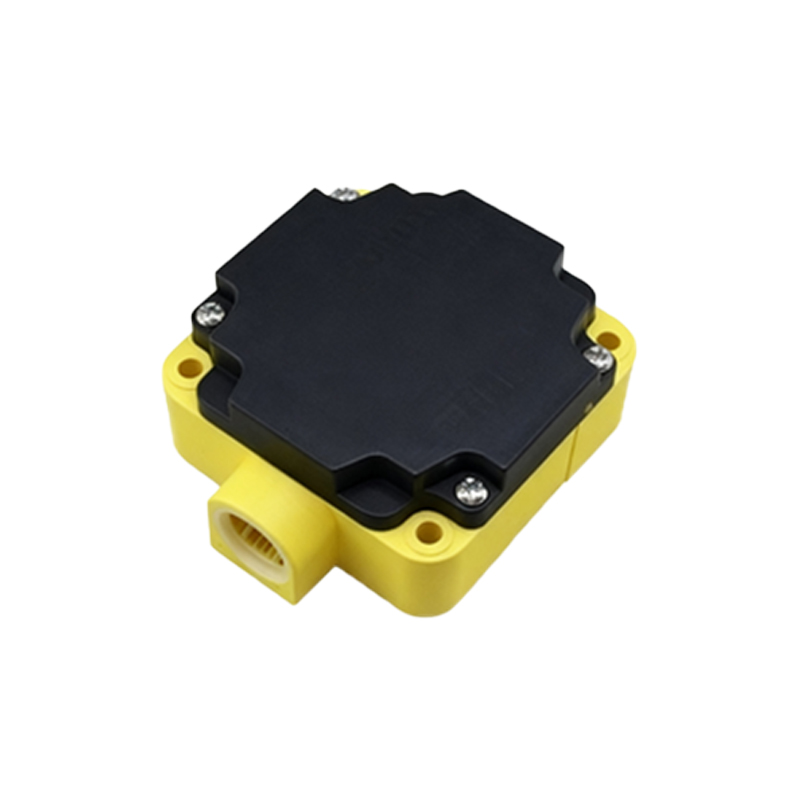
The true test of a durable proximity sensor is its performance in real-world applications. On automated assembly lines, they endure constant vibration and repetitive detection cycles, often numbering in the millions per year. In material handling and packaging machinery, they face exposure to cardboard dust, plastic shavings, and mechanical knocks. Perhaps the most demanding environments are found in heavy industries like mining, steel mills, and forestry equipment, where sensors are subjected to extreme shock, vibration, abrasive dust, and temperature fluctuations. Here, only the most ruggedized sensors survive. Choosing a durable sensor for these applications directly translates to fewer production stoppages, lower spare part inventories, and higher overall equipment effectiveness (OEE).
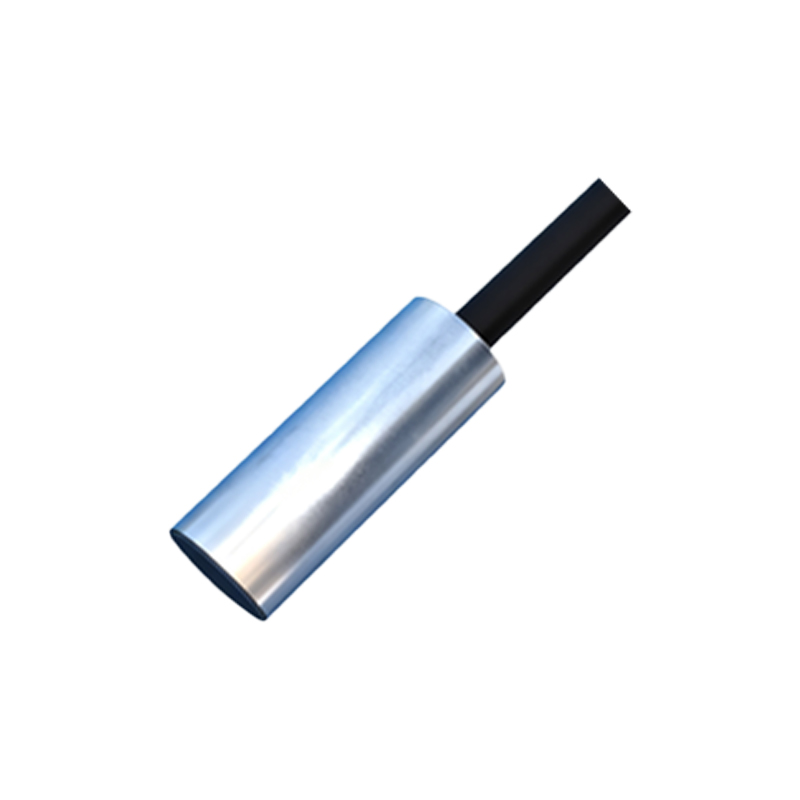
Selecting the right durable proximity sensor requires a careful analysis of the application. Key considerations include the target material, required sensing distance, environmental factors (chemicals, temperature, pressure, washdown), electrical requirements (output type, voltage), and necessary certifications (e.g., ATEX for hazardous areas). It is also wise to consider the manufacturer's reputation for quality, availability of technical support, and the sensor's mean time between failures (MTBF) data when available.
Ultimately, opting for a durable proximity sensor is a strategic decision focused on total cost of ownership. While the initial purchase price may be higher than a standard sensor, the long-term benefits are substantial. Reduced frequency of replacement, minimal unplanned downtime, and consistent reliability lead to significant savings and a stronger, more predictable production process. In an era where efficiency and uptime are paramount, specifying durable proximity sensors is a fundamental step toward building resilient and profitable operations.