In the rapidly evolving landscape of industrial automation and smart manufacturing, laser sensor kits have emerged as indispensable tools for achieving unparalleled precision, reliability, and efficiency. These sophisticated systems, which integrate laser emitters, receivers, optics, and signal processing units, are engineered to perform critical tasks such as non-contact distance measurement, object detection, profile scanning, and quality inspection with micron-level accuracy. Unlike traditional mechanical or ultrasonic sensors, laser-based solutions offer superior resolution, faster response times, and the ability to operate in challenging environments with dust, vibration, or variable lighting conditions.
A typical advanced laser sensor kit comprises several key components: a high-stability laser diode that emits a focused beam, often in the visible red or infrared spectrum; a precision lens system to collimate or shape the beam; a photodetector or CMOS/CCD array to capture reflected light; and an embedded microcontroller with specialized algorithms for real-time data analysis. Modern kits frequently include user-configurable parameters via software interfaces, allowing engineers to tailor sensitivity, sampling rates, and output formats (e.g., analog voltage, digital IO, or serial communication protocols like RS-485 or Ethernet/IP) to specific application needs.
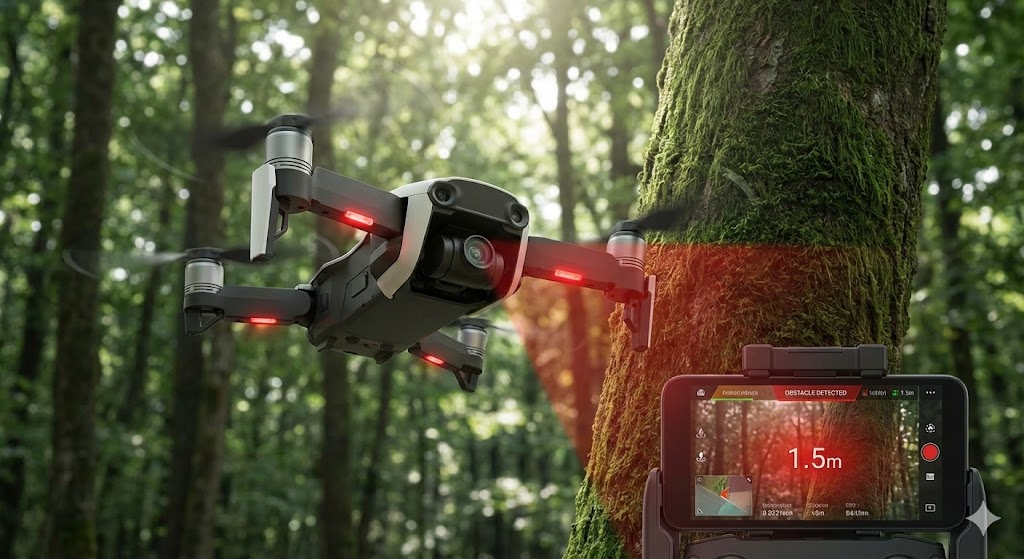
The applications of these kits span diverse sectors. In automotive assembly lines, they ensure precise part positioning and weld seam tracking. In electronics manufacturing, they verify component placement on PCBs and measure solder paste thickness. Logistics and packaging industries utilize them for dimensioning parcels, counting items on conveyor belts, and detecting label alignment. Furthermore, in robotics, laser sensors enable accurate navigation, obstacle avoidance, and gripper positioning for collaborative robots (cobots). Advanced versions, such as laser triangulation sensors or time-of-flight (ToF) sensors, cater to more complex requirements like 3D contour mapping, surface defect identification, and level monitoring in silos or tanks.
Selecting the right laser sensor kit involves careful consideration of technical specifications. Range and standoff distance determine how far the sensor can operate effectively, while spot size affects measurement resolution—smaller spots allow for finer details. Repeatability and linearity indicate consistency and accuracy across the measurement range. Environmental ratings (IP67 or higher) are crucial for durability in harsh conditions. Additionally, factors like housing material (often stainless steel or ruggedized plastics), power requirements (12-24V DC typical), and compatibility with industrial networks (Profinet, EtherCAT) must align with operational demands.
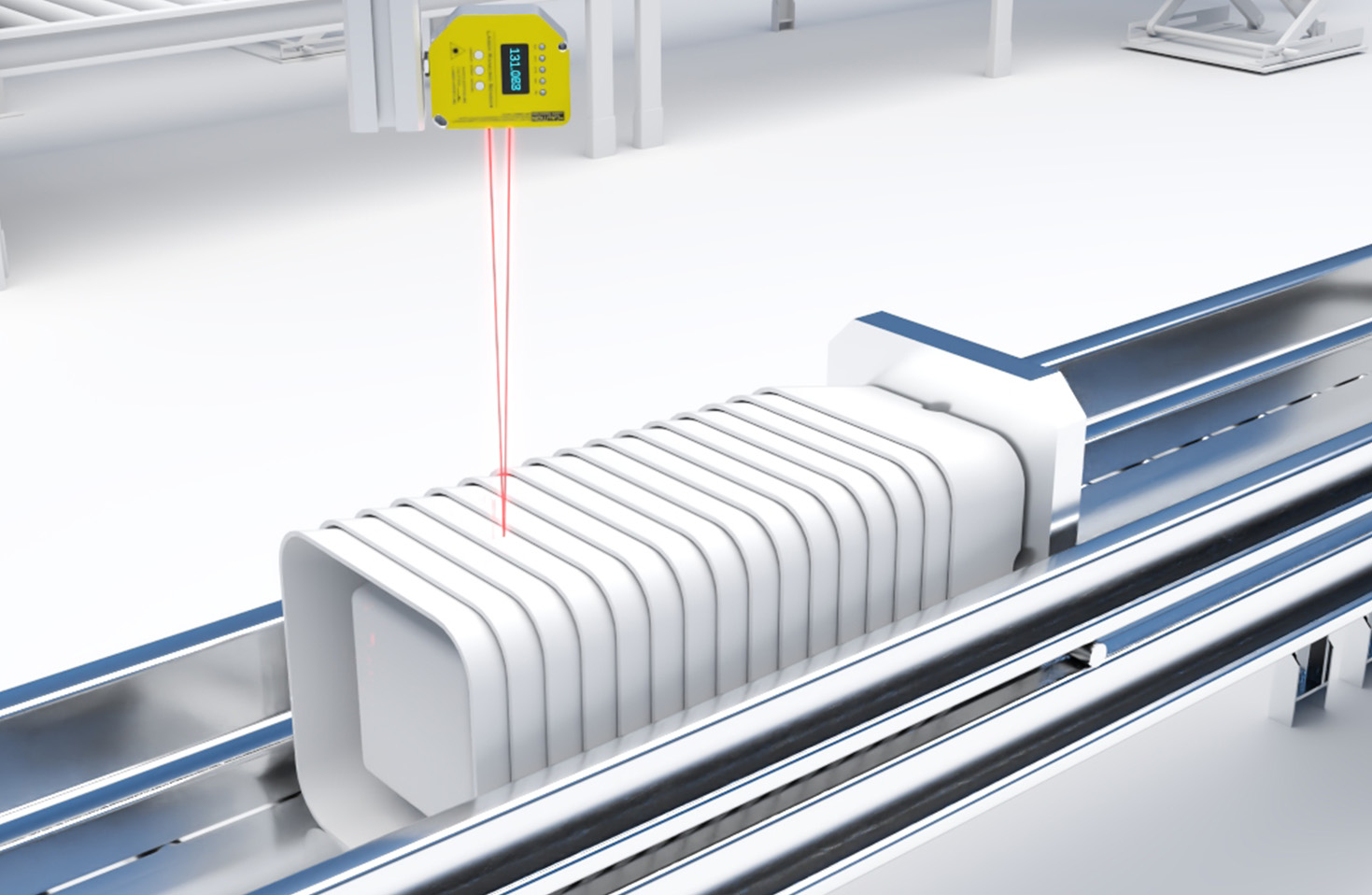
Installation and calibration are straightforward with most kits, thanks to integrated mounting brackets, alignment aids, and intuitive setup wizards. However, optimal performance requires attention to external factors: ambient light interference can be mitigated with optical filters or modulated laser signals; reflective or absorbent target surfaces may necessitate sensitivity adjustments; and thermal fluctuations should be compensated via built-in temperature stabilization. Regular maintenance, primarily lens cleaning and firmware updates, ensures long-term reliability.
The future of laser sensor technology points toward miniaturization, enhanced connectivity with IIoT (Industrial Internet of Things) platforms, and AI-driven analytics. Emerging kits incorporate features like multi-point measurement, blue laser beams for higher precision on organic materials, and wireless configuration tools. As Industry 4.0 accelerates, these advancements will further empower engineers to build smarter, more adaptive automation systems, reducing downtime and boosting productivity.
In summary, laser sensor kits represent a cornerstone of modern industrial innovation. By delivering non-contact, high-speed, and exact measurements, they address core challenges in automation, quality control, and process optimization. For engineers and system integrators, investing in robust, application-tailored laser sensing solutions is not merely a technical choice but a strategic imperative to stay competitive in an era where precision defines progress.