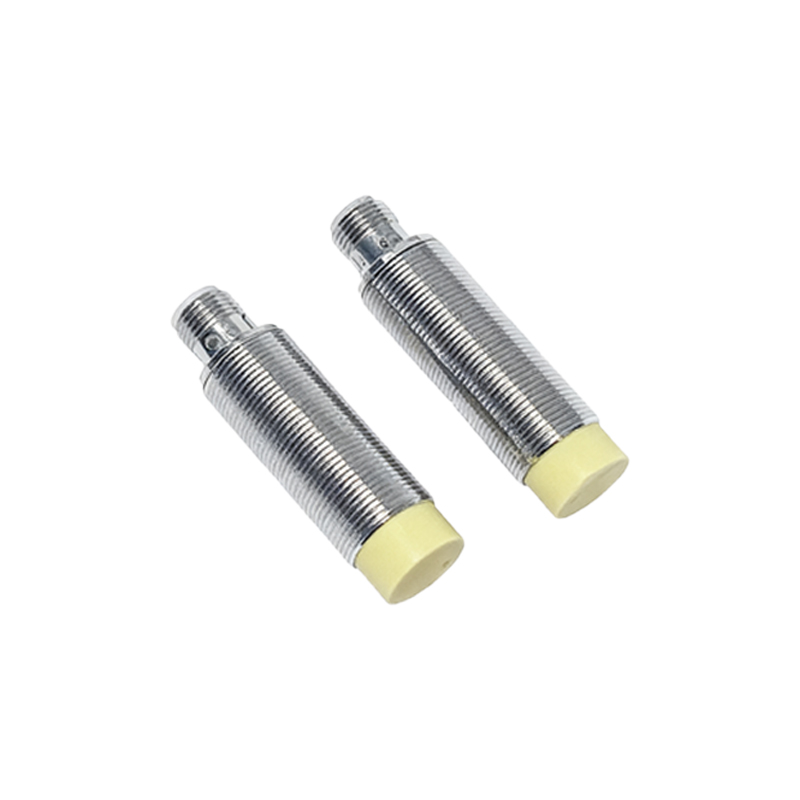
In the bustling world of modern technology, where flashy screens and powerful processors often steal the spotlight, a quiet yet indispensable class of components works tirelessly behind the scenes. Proximity sensors, the unassuming sentinels of our devices, operate on a simple but profound principle: detecting the presence or absence of an object within a defined range without physical contact. Their applications are so seamlessly integrated into daily life that their function often goes unnoticed, yet they are fundamental to the efficiency, safety, and intuitive interaction we have come to expect from our gadgets.
At its core, a proximity sensor emits a field or a beam of electromagnetic radiation, often infrared light, and looks for changes in the field or the return signal. The target object itself becomes a part of the sensor's operating environment. The most common technologies include Inductive, Capacitive, Photoelectric, and Ultrasonic sensors, each suited to specific materials and conditions. Inductive sensors, for instance, detect metallic objects through electromagnetic fields, making them ideal for industrial automation and machine safety. Capacitive sensors can detect a wider variety of materials, including liquids and plastics, by measuring changes in capacitance, and are frequently found in touchscreens and liquid level detectors.
Perhaps the most familiar interaction for the average consumer is in the smartphone. When you raise your phone to your ear during a call, the screen turns off. This is not magic; it's a small infrared proximity sensor at the top of the device. It emits an IR beam, and when your ear or head reflects this beam back, the sensor signals the processor to disable the touchscreen. This prevents accidental cheek-presses from hanging up calls or activating other functions, while also conserving battery life. Similarly, many laptops use proximity sensors to detect when a user is present, waking the device from sleep mode to enhance both convenience and security.
The utility of these sensors extends far beyond personal electronics. In the automotive sector, they are critical for advanced driver-assistance systems (ADAS). Ultrasonic proximity sensors, often heard as a series of rapid beeps, provide the data for parking assist systems, creating a virtual map of obstacles around a vehicle. More sophisticated systems use radar or LiDAR, which are essentially long-range, high-precision proximity sensors, for adaptive cruise control and collision avoidance. On factory floors, inductive and photoelectric sensors form the backbone of automation, ensuring robotic arms operate within safe parameters, counting products on conveyor belts, and verifying the correct positioning of components with relentless accuracy.
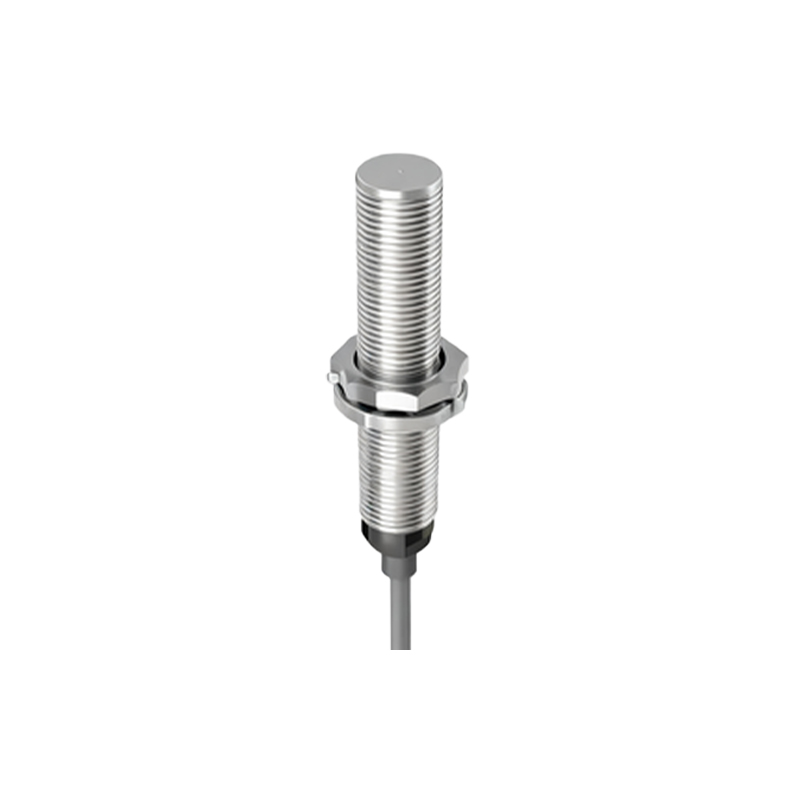
The advantages of non-contact detection are manifold. Firstly, it eliminates mechanical wear and tear, granting the sensors exceptional longevity and reliability. There is no physical part to degrade from repeated touching. Secondly, it allows for high-speed operation, as the detection is virtually instantaneous, enabling fast-paced production lines and responsive user interfaces. Thirdly, it enables sensing in harsh environments where physical contact is impossible or dangerous, such as in extreme temperatures, with corrosive chemicals, or in sterile medical settings.
Looking forward, the evolution of proximity sensing is intertwined with the growth of the Internet of Things (IoT) and smart environments. In smart homes, sensors can detect occupancy to control lighting and HVAC systems, enhancing energy efficiency. In retail, they can track customer movement and interaction with products. Miniaturization and reduced power consumption continue to push boundaries, allowing for more discrete and always-on applications. Furthermore, sensor fusion—combining data from proximity sensors with cameras, accelerometers, and other inputs—is creating more context-aware systems capable of complex interpretations of their surroundings.
Despite their silent operation, the absence of proximity sensors would be loudly felt. They are a foundational technology that bridges the physical and digital worlds, providing the essential data that allows machines to understand and react to their environment. From preventing a simple pocket-dial to enabling autonomous vehicles, these components exemplify how a focused solution to a basic problem—detecting nearby objects—can catalyze a revolution in functionality, safety, and user experience across countless industries.