In the seamless interaction between humans and machines, a silent, unseen technology plays a pivotal role: the proximity sensor. These compact electronic devices detect the presence or absence of nearby objects without any physical contact, enabling a world of intuitive and automated responses. From the smartphone that dims its screen when held to your ear to the automatic doors that slide open as you approach, proximity sensors are the unsung heroes of modern convenience and safety.
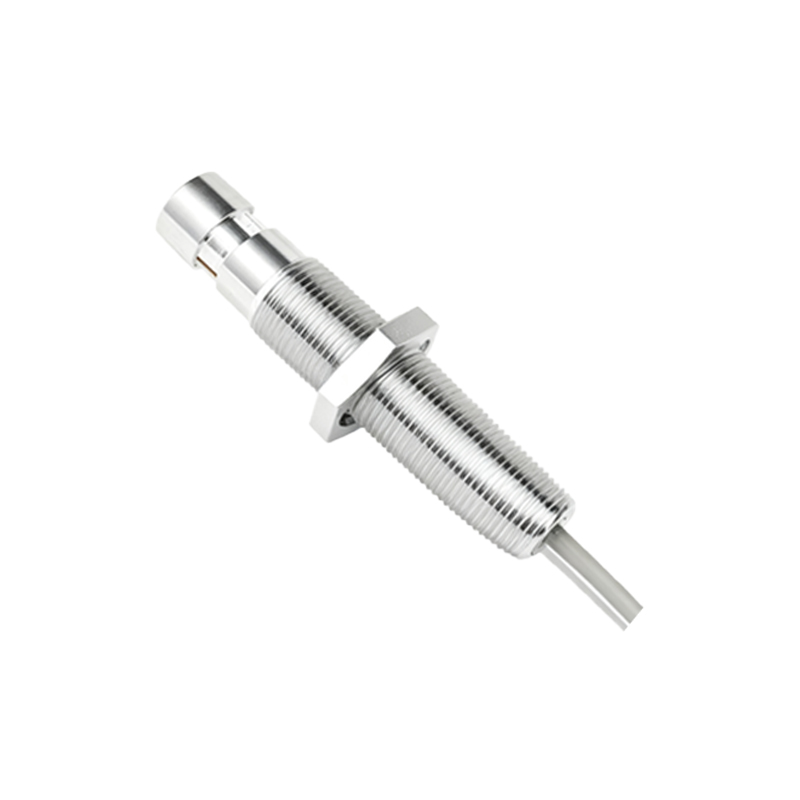
At their core, proximity sensors operate on various physical principles, each suited to different applications. The most common types include inductive, capacitive, ultrasonic, and optical (infrared) sensors. Inductive sensors, for instance, generate an electromagnetic field to detect metallic objects, making them indispensable in industrial automation for counting metal parts or ensuring machine safety. Capacitive sensors, on the other hand, can detect both metallic and non-metallic materials, including liquids and human skin, by measuring changes in capacitance. This sensitivity makes them perfect for touch-sensitive interfaces or liquid level detection. Ultrasonic sensors emit sound waves and measure their reflection to gauge distance, often used in parking assistance systems or robotics for obstacle avoidance. Optical sensors, utilizing infrared light, are ubiquitous in consumer electronics, enabling features like automatic screen blanking and gesture recognition.
The evolution of proximity sensing technology has been driven by demands for miniaturization, energy efficiency, and enhanced accuracy. Modern sensors are increasingly integrated with microprocessors and smart algorithms, allowing for more sophisticated functions such as multi-object detection, ambient light compensation, and adaptive sensing thresholds. In automotive applications, advanced driver-assistance systems (ADAS) rely on arrays of proximity sensors, including radar and LiDAR, to create a 360-degree awareness of the vehicle's surroundings, paving the way for autonomous driving. In smart homes, sensors enable energy-saving lighting systems that activate only when occupants are present, and in healthcare, they facilitate touchless controls in sterile environments or monitor patient movement.
Despite their widespread adoption, designing with proximity sensors presents challenges. Environmental factors like dust, moisture, temperature extremes, or electromagnetic interference can affect performance. Sensor selection must carefully balance range, response time, cost, and power consumption. For instance, an inductive sensor might be ideal for a factory floor but useless for detecting a plastic container. Furthermore, as devices become more interconnected in the Internet of Things (IoT), sensors must not only gather data but also communicate intelligently within networks, requiring robust cybersecurity considerations.
Looking ahead, the future of proximity sensing is intertwined with artificial intelligence and material science. AI can interpret complex sensor data patterns, enabling predictive maintenance in industry or more nuanced human-computer interaction. Meanwhile, research into flexible and transparent sensor materials could lead to their integration into wearable technology or curved displays, making the technology even more invisible and pervasive. As we move towards an increasingly automated and interactive world, the humble proximity sensor will continue to be a fundamental building block, quietly extending our senses and making technology more responsive, efficient, and safe. Its development reflects a broader trend: the most impactful technologies are often those we no longer notice, working flawlessly in the background to enrich our daily lives.