Selecting the right proximity sensor is a critical decision in industrial automation, robotics, and countless embedded systems. The process extends far beyond simply detecting the presence or absence of an object. A well-chosen sensor ensures system reliability, longevity, and cost-effectiveness, while an improper selection can lead to operational failures, frequent maintenance, and increased downtime. This guide outlines the essential technical parameters and application considerations to navigate the selection process effectively.
The foundational step is defining the detection requirements. What is the nature of the target material? This single factor often dictates the sensor technology. For detecting all metals, including steel, aluminum, and copper, inductive proximity sensors are the standard choice. They generate an electromagnetic field and react to eddy current losses induced in metallic targets. For non-metallic objects—such as plastic, wood, glass, or liquids—capacitive sensors are required. These sensors detect changes in capacitance caused by the presence of any material that alters the dielectric constant of the sensing field. For precise detection of specific materials, often over longer ranges, photoelectric sensors use a light beam (visible red, infrared, or laser) and are ideal for small parts, transparent materials, or color differentiation. Finally, ultrasonic sensors use sound waves and are excellent for detecting objects of virtually any material, shape, or color, and are particularly useful in challenging environments with dust, mist, or varying surface properties.
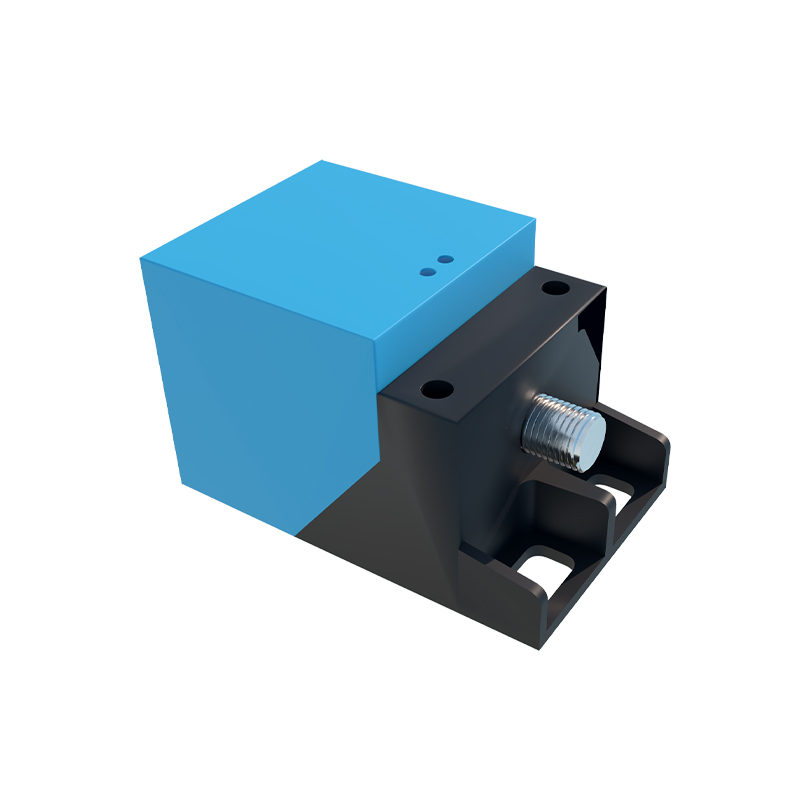
Once the technology is narrowed down, the operating distance, or sensing range, must be specified. The rated operating distance (Sn) is a nominal value under standardized conditions. In practice, a safety factor, typically 20-30%, should be applied to account for temperature fluctuations, voltage variations, and target material differences. For inductive sensors, the target material's properties significantly affect the range; for instance, steel is detected at the nominal range, while aluminum or copper may reduce the effective range. Always consult the sensor's correction factors for non-ferrous metals.
The physical characteristics of both the sensor and the target are crucial. Sensor size and housing style (barrel-shaped, rectangular, limit-switch style) must fit the mechanical constraints of the installation. The target's size, shape, and approach direction also matter. As a rule, the target should be at least equal to the sensor's sensing face diameter for standard sensing. For smaller targets, a sensor with a reduced sensing face or a specialized focused-field type may be necessary. The approach direction should be axial for barrel sensors for optimal performance.
Environmental conditions are often the deciding factor between success and failure. Consider the ambient temperature, which affects sensing range and electronics lifespan. Will the sensor be exposed to chemicals, oils, or coolants? This necessitates a housing with an appropriate IP (Ingress Protection) or NEMA rating—such as IP67 for protection against temporary immersion or IP69K for high-pressure, high-temperature washdowns. Areas with heavy welding sparks or strong electromagnetic fields require sensors with welded-metal housings and robust shielding. Vibration and mechanical shock ratings are vital for applications on moving machinery.
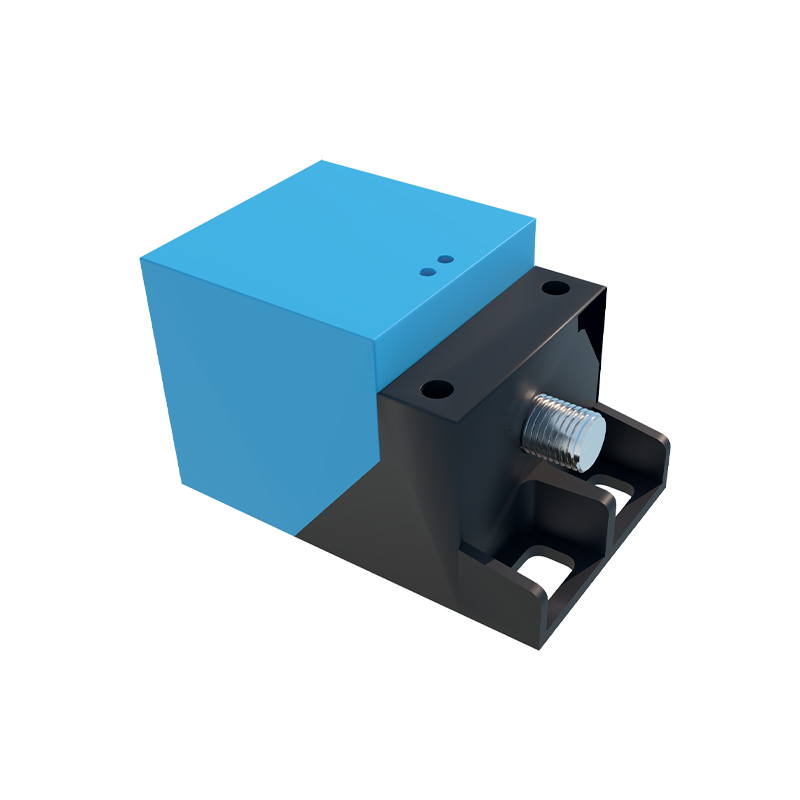
Electrical specifications must match the control system. The operating voltage (e.g., 10-30V DC, 20-250V AC) and output type (PNP/NPN for DC, NO/NC) must be compatible with the PLC or controller input card. Don't overlook the output current rating; ensure it can handle the connected load. For DC sensors, consider short-circuit protection, reverse polarity protection, and surge suppression. The switching frequency, or response time, is critical in high-speed applications like counting or sorting on conveyor lines.
Finally, consider special features that solve specific challenges. Analog output sensors provide a continuous signal proportional to distance, useful for positioning or monitoring. Sensors with IO-Link or other digital communication enable advanced diagnostics, parameter setting, and integration into Industry 4.0 architectures. High-temperature models are available for ovens or foundries. Factor in the mounting method (flush or non-flush for inductive), cable or connector type, and indicator LEDs for diagnostics.

In summary, a systematic approach to proximity sensor selection involves: 1) Identifying the target material, 2) Determining the required sensing range with a safety margin, 3) Evaluating environmental and mechanical constraints, 4) Matching electrical characteristics to the control system, and 5) Specifying any special features needed. By carefully analyzing these parameters against your specific application, you can select a sensor that delivers reliable, maintenance-free operation for years to come, optimizing both performance and total cost of ownership.