Proximity sensors are essential components in automation and industrial control systems, detecting the presence or absence of objects without physical contact. These devices operate based on various principles, including electromagnetic fields, capacitance, and photoelectric effects, making them versatile for diverse applications. Understanding their operation, types, and practical uses is crucial for optimizing industrial processes.
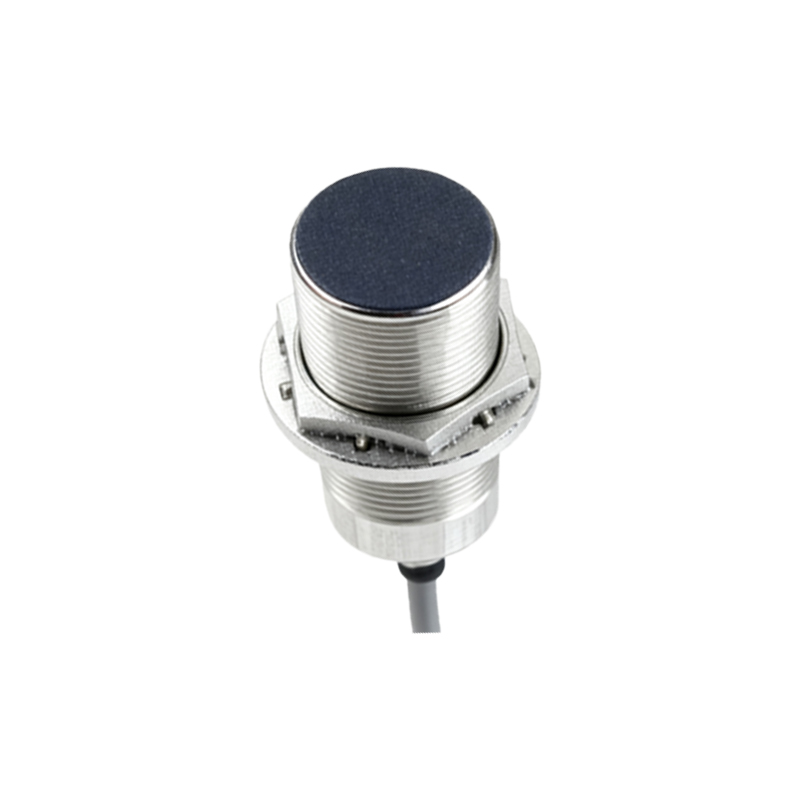
Inductive proximity sensors are among the most common types, utilizing an electromagnetic field to detect metallic objects. When a metal target enters the sensor's field, it induces eddy currents, causing a change in oscillation amplitude. This change triggers the sensor's output circuit, signaling the object's presence. These sensors are highly reliable in harsh environments, resistant to dust, moisture, and vibrations, making them ideal for manufacturing lines, robotics, and automotive assembly.
Capacitive proximity sensors, on the other hand, can detect both metallic and non-metallic materials, such as plastics, liquids, or wood. They function by measuring changes in capacitance between the sensor and the target object. When an object approaches, it alters the dielectric constant of the sensor's electrostatic field, leading to a detectable shift. This capability is valuable in packaging industries, food processing, and material handling, where diverse materials require monitoring.
Photoelectric proximity sensors use light beams, typically infrared, to detect objects. They consist of an emitter and a receiver; when an object interrupts the light beam, the sensor activates. These sensors offer long detection ranges and high precision, suitable for applications like conveyor belt systems, object counting, and safety barriers in automated machinery.
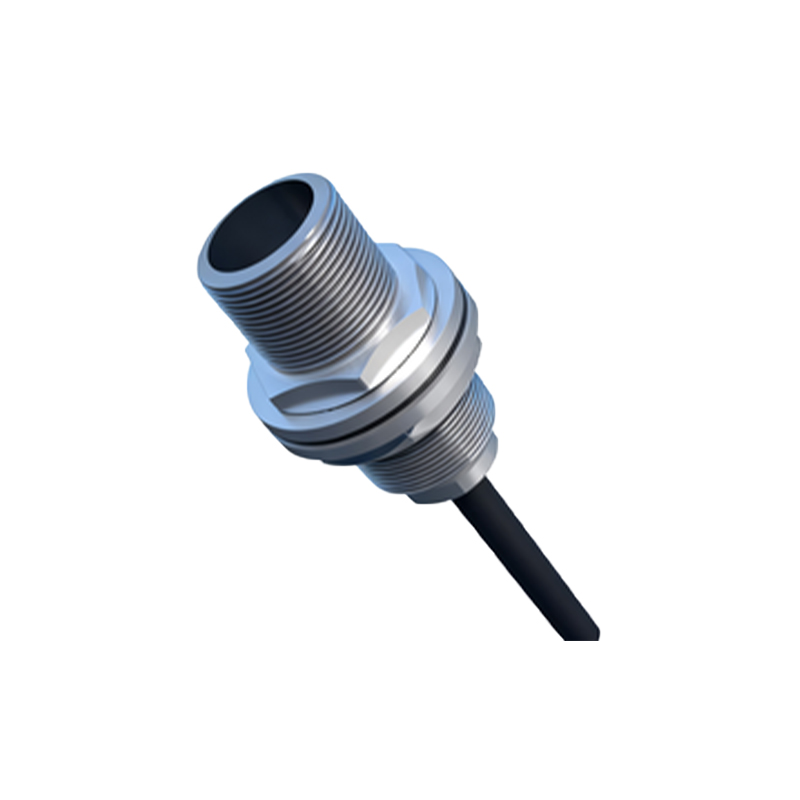
Ultrasonic proximity sensors employ sound waves to measure distance or detect objects. They emit high-frequency sound pulses and calculate the time taken for echoes to return. This technology is effective for detecting transparent or irregularly shaped objects, often used in level measurement, collision avoidance in vehicles, and warehouse automation.
In practice, proximity sensors enhance efficiency and safety in industrial settings. They enable precise positioning of components, prevent machinery collisions, and facilitate automated quality control. For instance, in automotive manufacturing, inductive sensors ensure proper alignment of parts, while capacitive sensors monitor fluid levels in tanks. Regular maintenance, including calibration and environmental checks, is necessary to sustain accuracy and longevity.
Advancements in sensor technology continue to expand their applications, integrating with IoT systems for real-time monitoring and predictive maintenance. By reducing manual intervention and minimizing errors, proximity sensors contribute significantly to smart factories and Industry 4.0 initiatives. Their role in optimizing productivity and ensuring operational safety underscores their importance in modern industrial landscapes.