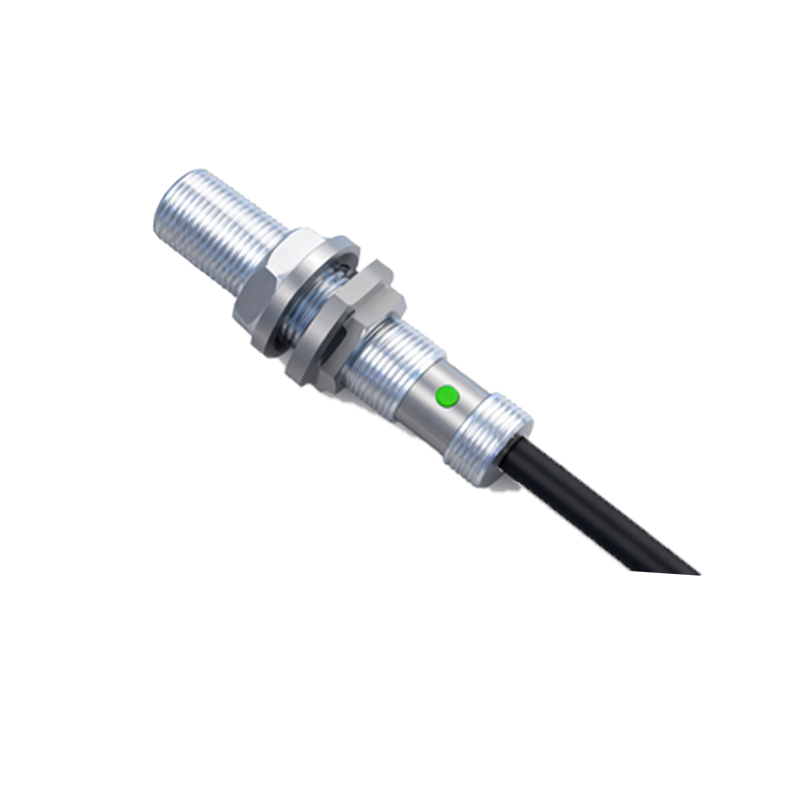
In today's rapidly advancing technological landscape, proximity sensors have become ubiquitous, quietly operating in the background of countless devices and systems. From smartphones that dim their screens when held to the ear to industrial machinery that prevents collisions, these sensors play a pivotal role. But the fundamental question remains: are proximity sensors actually good? The answer, as with most technology, is nuanced and depends heavily on application, implementation, and user expectations.
At its core, a proximity sensor is a device that detects the presence or absence of a nearby object without any physical contact. It does this by emitting an electromagnetic field or a beam of radiation (often infrared light) and looking for changes in the field or return signal. The primary advantage is clear: non-contact detection. This leads to reduced wear and tear, as there is no mechanical fatigue from repeated physical contact. In manufacturing, this translates to higher reliability and lower maintenance costs for assembly lines and robotic arms. For consumer electronics, it enables features like automatic screen blanking, which saves battery life and prevents accidental touch inputs—a small but significant quality-of-life improvement.
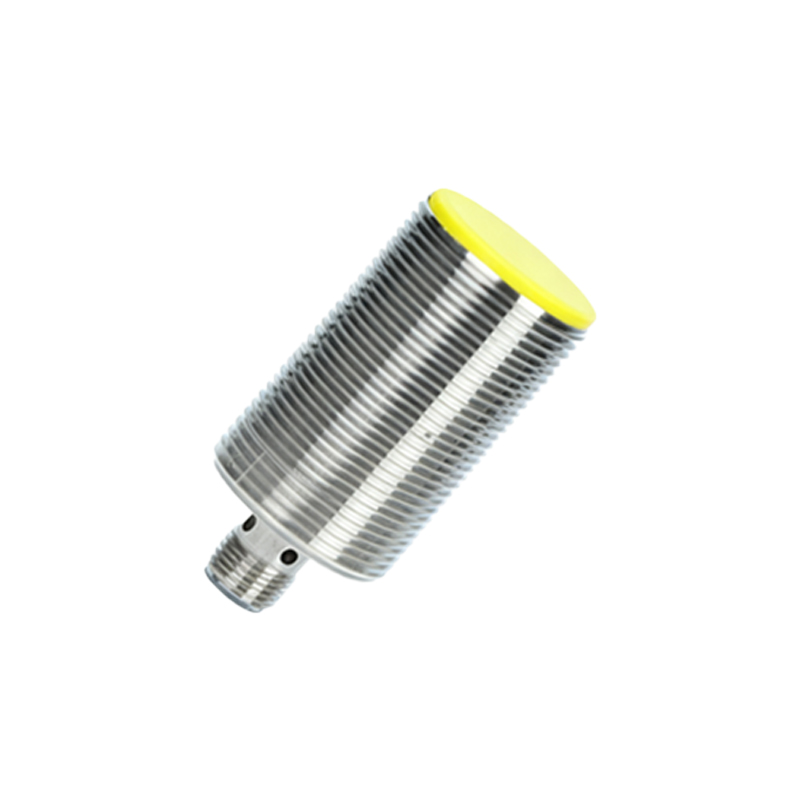
The "goodness" of a proximity sensor is intrinsically tied to its type and the environment. Common types include inductive, capacitive, photoelectric, and ultrasonic sensors. Inductive sensors are excellent for detecting metals in industrial settings but are useless for non-metallic objects. Capacitive sensors can detect a wider range of materials, including liquids and plastics, making them ideal for applications like liquid level detection or touch-sensitive buttons. Photoelectric sensors offer longer ranges and high precision but can be fooled by environmental factors like dust, fog, or ambient light. Ultrasonic sensors are robust in challenging environments but may have slower response times. Therefore, labeling them universally "good" or "bad" is impossible; selecting the right sensor for the specific task is 90% of the battle.
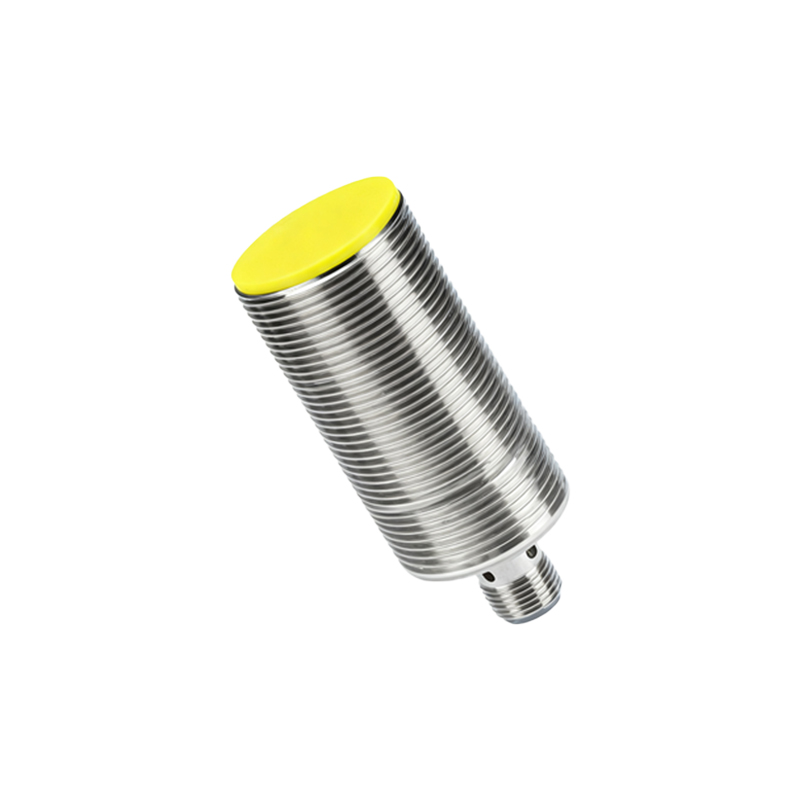
From a performance perspective, modern proximity sensors are remarkably good. They offer high accuracy, fast response times, and increasing immunity to environmental interference. Their integration with microcontrollers and IoT systems has unlocked new levels of automation and data collection. In smart homes, they enable energy-saving lighting and security systems. In automotive applications, they are crucial for parking assistance and blind-spot monitoring, directly contributing to safety. The miniaturization of components has allowed them to be embedded in ever-smaller devices without sacrificing functionality.
However, potential drawbacks must be acknowledged to give a balanced view. No sensor is perfect. All types can experience false triggers or failures under extreme conditions. For instance, a capacitive sensor might be activated unintentionally by accumulated moisture, and an infrared-based sensor in a phone might malfunction if the receiver is covered by a poorly designed screen protector. Calibration is sometimes necessary, and certain materials can be "invisible" to specific sensor technologies. Furthermore, in cost-sensitive applications, adding a proximity sensor increases the bill of materials, which might not be justifiable for marginal gains.
The question of value often comes down to the problem being solved. In safety-critical applications—such as ensuring a guard door is closed before a machine operates—the reliability and fail-safe design of a proximity sensor are not just "good"; they are essential. The return on investment is clear in prevented accidents and downtime. In consumer products, the value is more subjective. While most users appreciate the automatic screen turn-off during a call, some might find it annoying if it activates unintentionally inside a pocket. The user experience depends on flawless software integration and intelligent design choices by the manufacturer.
Looking forward, the trajectory for proximity sensing technology is positive. Advances in materials science, signal processing, and artificial intelligence are making sensors smarter, more energy-efficient, and more adaptable. Sensor fusion, combining data from proximity sensors with cameras, accelerometers, and other inputs, is creating context-aware systems that are far more reliable than any single sensor could be.
So, are proximity sensors good? The evidence strongly suggests they are an exceptionally useful and often superior solution for non-contact detection. Their benefits in durability, automation, safety, and enabling innovative features are substantial and well-documented. The key to harnessing their "goodness" lies in understanding their limitations, choosing the correct type for the environment, and implementing them with thoughtful engineering. When deployed correctly, they are not just good; they are indispensable components powering the silent, efficient interaction between machines and the physical world. Their continued evolution promises to embed this intelligence even deeper into our daily lives and industrial processes.