Magnetic proximity sensors are essential components in modern automation and safety systems. These devices detect the presence or absence of a magnetic field, typically generated by a permanent magnet, without any physical contact. Their operation is based on fundamental principles of magnetism and solid-state electronics, offering reliability that mechanical switches often lack.
At the core of most magnetic proximity sensors is a reed switch or a solid-state Hall-effect sensor. A reed switch consists of two ferromagnetic reeds sealed within a glass tube filled with inert gas. When an external magnetic field of sufficient strength is applied, the reeds magnetize, attract each other, and make contact, closing the circuit. When the magnet moves away, the reels lose their magnetism and spring apart, breaking the circuit. This simple, robust mechanism is highly effective for many applications.
Hall-effect sensors represent a more advanced technology. They utilize a semiconductor element. When this element is exposed to a magnetic field, a voltage difference, known as the Hall voltage, is generated perpendicular to both the current flow and the magnetic field. This voltage change is detected and processed by integrated circuitry within the sensor to produce a clean, digital output signal. Hall-effect sensors are not affected by contact bounce, can operate at very high frequencies, and are generally more durable than reed switches.
The performance of these sensors is defined by several key parameters. Sensing distance, or the maximum range at which they can reliably detect a magnet, is crucial and depends on the magnet's strength and the sensor's sensitivity. Switching frequency indicates how many detection cycles per second the sensor can handle, with Hall-effect sensors typically outperforming reed switches. Environmental factors like temperature extremes, vibration, and the presence of contaminants (oil, dust, metal chips) also influence sensor selection. Many models are housed in rugged, sealed enclosures with IP ratings for protection against dust and water ingress.
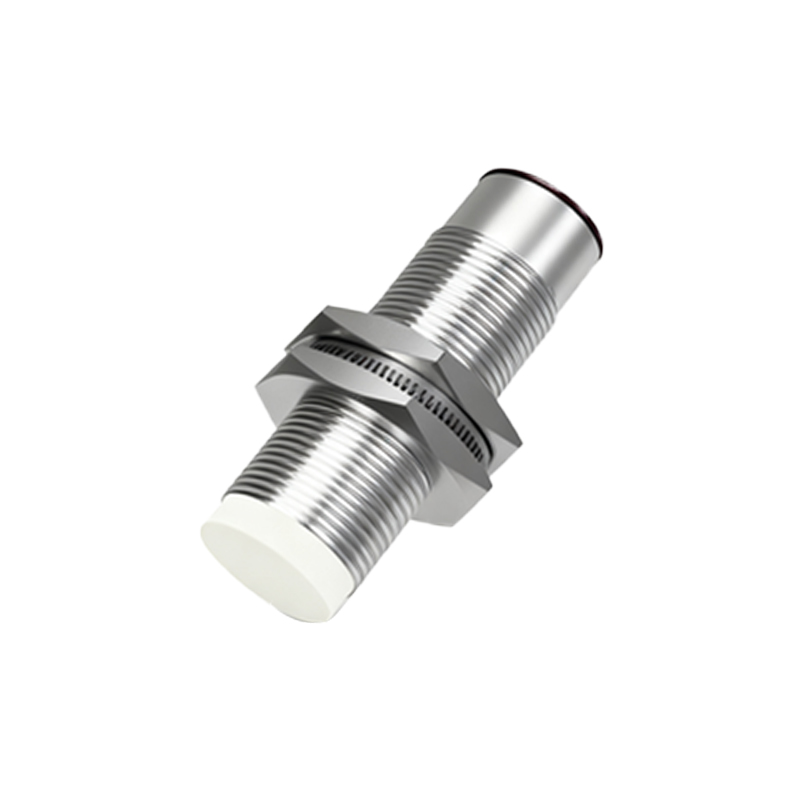
One of the primary advantages of magnetic proximity sensors is their non-contact operation. Since there is no physical touch between the sensor and the actuating magnet, there is no mechanical wear, leading to exceptionally long service life and minimal maintenance. They are also immune to problems like contact arcing, making them safe for use in potentially explosive atmospheres when properly certified. Their output is typically a clean, bounce-free signal ideal for direct interface with programmable logic controllers (PLCs), microcontrollers, and other digital systems.
The applications for magnetic proximity sensors are vast and varied across industries. In automotive systems, they are ubiquitous, used for detecting seat belt engagement, gearbox position, brake pedal travel, and wheel speed in anti-lock braking systems (ABS). In industrial automation, they serve as limit switches on linear actuators, robotic arms, and conveyor systems to detect the position of machine parts. They are integral to home and building security, found in door and window contact sensors for alarm systems. Consumer electronics use miniature versions in laptops to detect lid closure or in smartphones for flip cover detection. Furthermore, they play a critical role in safety interlocks on machinery guards, ensuring equipment only operates when protective doors are securely closed.
When selecting a magnetic proximity sensor, engineers must consider the specific requirements of the application. Key questions include: What is the required sensing distance? What output type is needed (e.g., NPN, PNP, analog, or digital)? What are the electrical supply and load requirements? What level of environmental protection (IP rating) is necessary? Understanding these factors ensures optimal performance and system reliability.
In summary, magnetic proximity sensors provide a robust, reliable, and versatile solution for position detection and object sensing. Their non-contact nature, long lifespan, and compatibility with modern control systems make them indispensable in fields ranging from heavy industry to delicate consumer devices. As technology advances, these sensors continue to evolve, offering greater precision, smaller form factors, and enhanced integration capabilities for the smart systems of today and tomorrow.