Proximity sensors are vital components in industrial automation, manufacturing lines, and countless electronic systems. Their ability to detect the presence or absence of an object without physical contact makes them indispensable. However, a frequent and frustrating issue encountered by maintenance technicians and engineers is the premature failure or "burning out" of these sensors. This persistent problem leads to unexpected downtime, costly replacements, and production delays. Understanding the root causes is the first step toward implementing effective solutions and ensuring long-term reliability.
One of the most prevalent causes of proximity sensor failure is electrical overload. This typically occurs due to incorrect power supply voltage. Applying a voltage higher than the sensor's specified rating generates excessive current, leading to overheating and eventual destruction of internal components like the oscillator, output circuit, or integrated chip. Similarly, voltage spikes or transients on the supply line, often from switching inductive loads (e.g., solenoids, relays, or motors) on the same circuit, can deliver a sudden surge of energy that the sensor's protection circuits cannot handle. Even improper wiring, such as short circuits in the load or connecting the sensor to an AC supply when it's designed for DC (or vice-versa), will result in immediate and catastrophic failure.
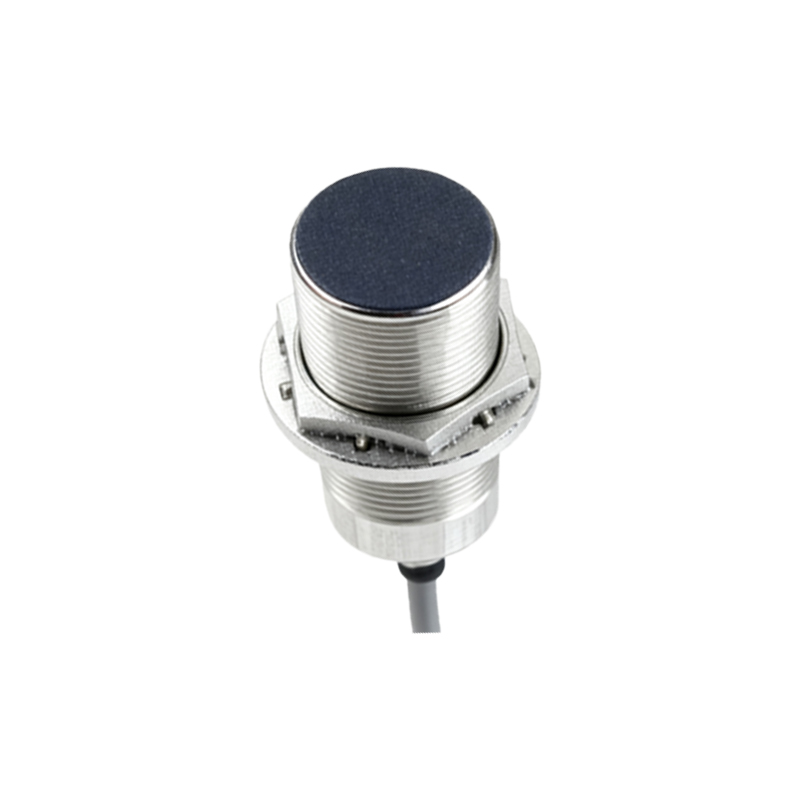
Environmental factors play an equally critical role. Excessive ambient temperature is a silent killer. Operating a sensor near its maximum temperature rating, or in an enclosure without proper ventilation, accelerates thermal stress on electronic components, degrading insulation and solder joints over time. Conversely, in cold environments, condensation can form inside the sensor housing, leading to short circuits. Physical contamination is another major threat. Metallic dust or chips, common in machining environments, can accumulate on the sensor's active face. For inductive sensors, this conductive debris can effectively "bridge" the sensing field, causing the sensor to behave erratically, draw more current, and overheat. Oil, coolant, and other corrosive chemicals can seep into housings, damaging circuitry and causing corrosion.
Improper installation and mechanical stress are frequently overlooked culprits. Mounting the sensor too close to another metal object or to the target itself can cause constant activation or interference, straining the output stage. Excessive vibration can loosen internal connections and solder points, leading to intermittent operation and arcing. Using a sensor in a washdown environment without ensuring it has an adequate IP (Ingress Protection) rating for water and chemical jets will inevitably lead to internal damage and failure.
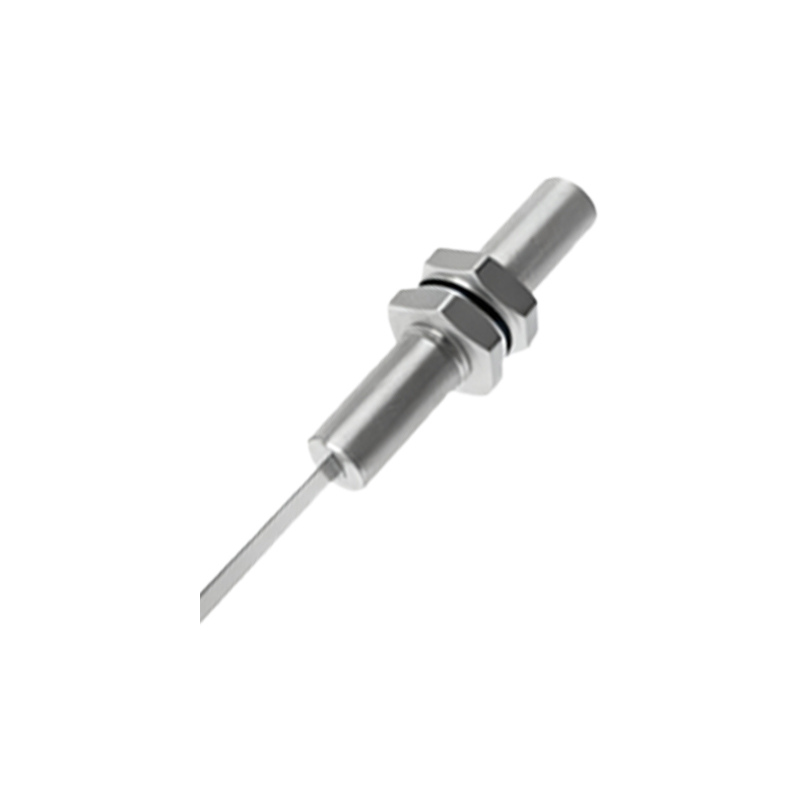
The load connected to the sensor's output is often the source of the problem. Inductive loads, like relays and solenoids, generate a high reverse voltage spike (back EMF) when de-energized. If this spike is not suppressed by a protective device like a flyback diode or a metal-oxide varistor (MOV) across the load, it can feed back into the sensor's solid-state switch, breaking it down over repeated cycles. Exceeding the sensor's maximum switching current rating by connecting a load that draws too much power will also cause the output transistor to overheat and fail.
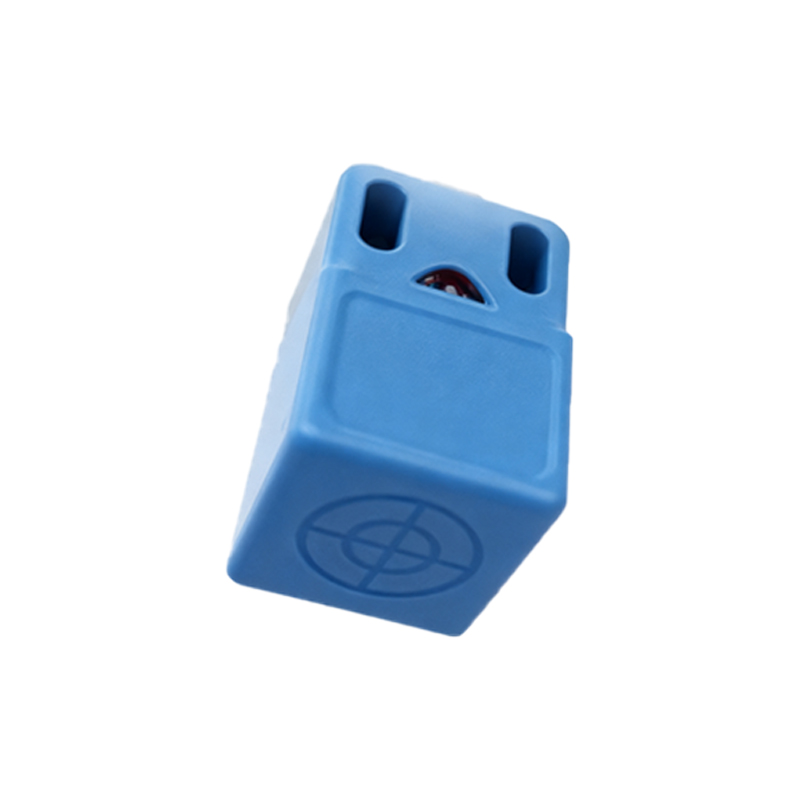
To prevent the recurring issue of burned-out proximity sensors, a systematic approach is required. First, always verify the electrical specifications. Double-check the nameplate for voltage (AC/DC), current rating, and ensure the power supply is stable and within tolerance. Implement protective measures such as surge suppressors, line filters, or isolation relays on noisy power lines. For DC sensors driving inductive loads, always install a suppression diode or MOV directly across the load terminals.
Second, select the right sensor for the environment. Choose a housing material (e.g., stainless steel) and an IP rating that matches the application's exposure to dust, moisture, and chemicals. In high-temperature areas, consider sensors rated for extended temperature ranges or provide external cooling. Regularly clean the sensing face of metallic debris using non-metallic tools.
Third, follow proper installation guidelines. Maintain the recommended mounting distances from other metals and the target. Use vibration-dampening mounts if necessary. Ensure all wiring connections are tight, correct, and use shielded cables in electrically noisy environments. Finally, respect the load limits. Never exceed the sensor's maximum current rating. For inductive loads, use external suppression as a standard practice.
By moving beyond simple replacement and adopting a diagnostic mindset focused on electrical parameters, environmental conditions, installation integrity, and load management, you can dramatically increase the operational life of proximity sensors. This proactive approach transforms a chronic problem into a manageable variable, ensuring smoother operations and reducing long-term maintenance costs.