Proximity sensors are fundamental components in modern industrial automation and electrical systems, serving as the critical "eyes" of machinery by detecting the presence or absence of objects without physical contact. As an electrical engineer, a deep understanding of their principles, types, and applications is essential for designing robust and efficient control systems.
At its core, a proximity sensor is a device that emits an electromagnetic field or a beam of electromagnetic radiation (like infrared light) and looks for changes in the field or return signal. The primary advantage is non-contact detection, which eliminates mechanical wear and tear, allows for high-speed operation, and enables use in harsh environments where physical contact is impractical or contaminating.
The working principle varies significantly by type. The most common categories include:
1. Inductive Proximity Sensors: These detect metallic objects, primarily ferrous metals like iron and steel. They operate by generating an oscillating electromagnetic field from a coil. When a metallic target enters this field, it induces eddy currents, causing a change in the oscillation amplitude. This change is detected by the sensor's circuitry, triggering a solid-state output switch. They are immune to non-metallic substances like dust, oil, or water, making them ideal for metal detection in dirty industrial settings.
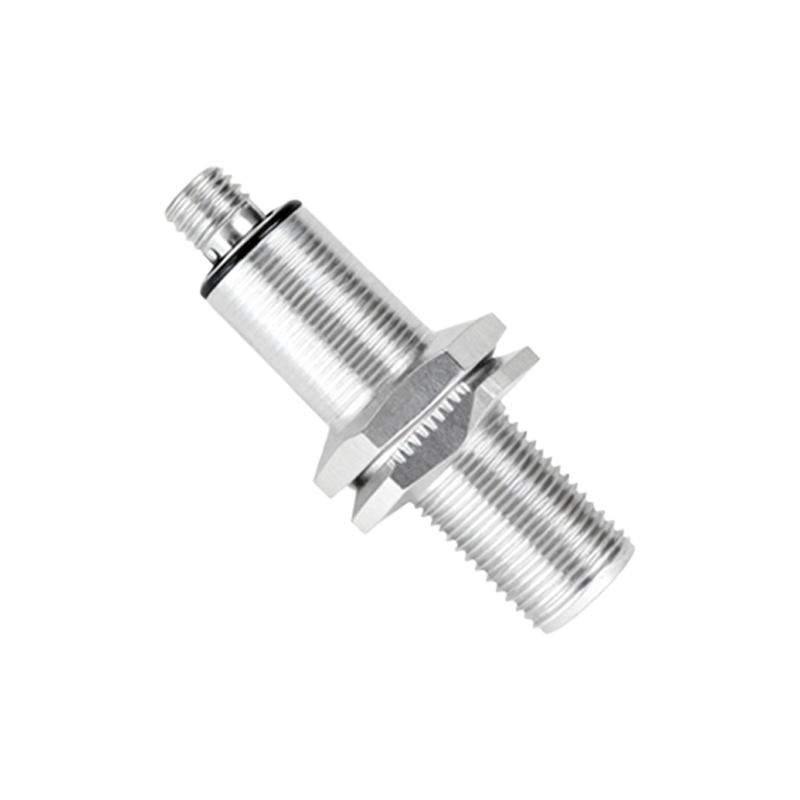
2. Capacitive Proximity Sensors: These can detect both metallic and non-metallic materials, including liquids, powders, plastics, and wood. They function by generating an electrostatic field. Any object entering this field alters the capacitance of the system, which is measured by the sensor. The sensitivity can often be adjusted, allowing them to "see through" certain non-metallic containers to detect material levels inside.
3. Photoelectric Sensors: These use a light emitter (usually LED) and a receiver. They detect objects by interpreting changes in the received light signal. Common modes include through-beam (object breaks a beam between separate emitter and receiver), retro-reflective (object breaks a beam reflected back to the receiver), and diffuse (object reflects the emitted light back to the receiver). They offer long detection ranges and can sense virtually any material.
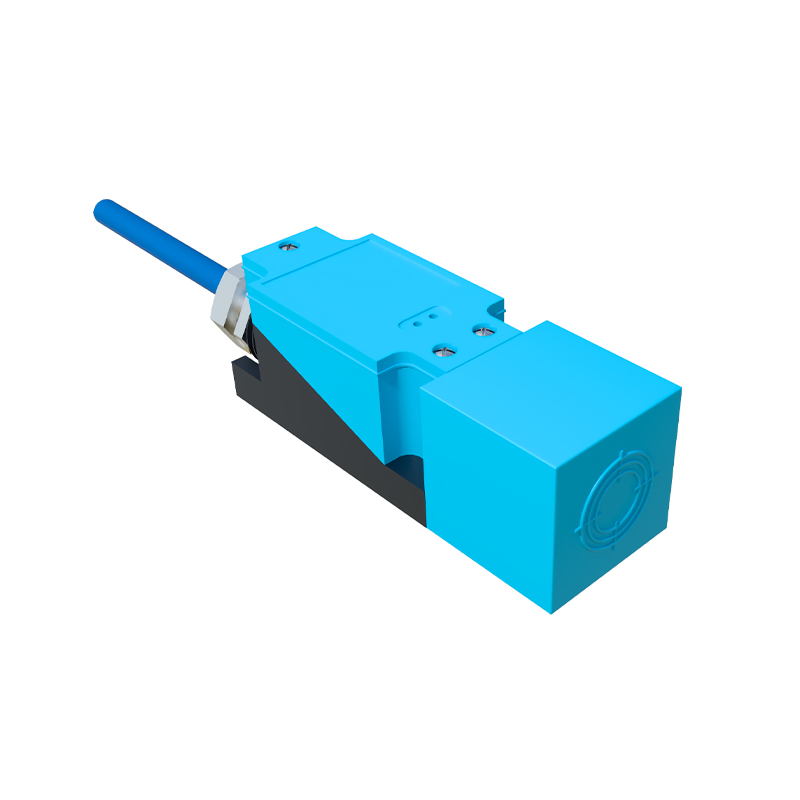
4. Ultrasonic Sensors: These measure distance or detect objects by emitting high-frequency sound waves and evaluating the echo reflected from a target. They are excellent for detecting clear objects, liquid levels, and uneven surfaces, and are largely unaffected by color, transparency, or dust.
Key specifications electrical engineers must evaluate include:
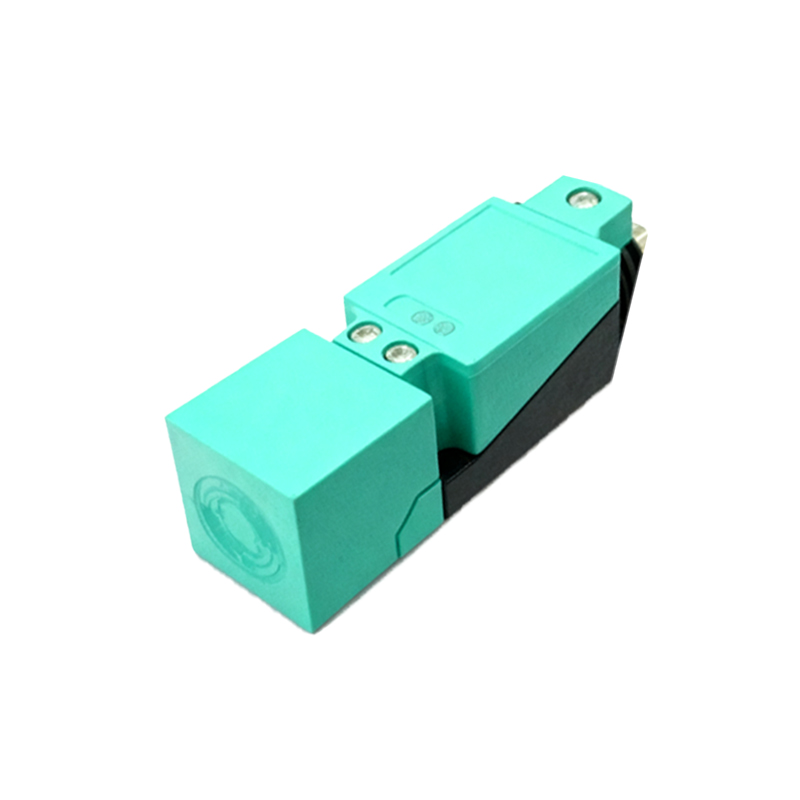
Sensing Distance: The nominal range at which a standard target can be reliably detected.
Repeatability: The consistency of the sensing point.
Output Type: Typically NPN (sinking) or PNP (sourcing) transistor outputs, or analog (4-20mA, 0-10V) for distance measurement.
Housing Material and Protection Rating (IP/NEMA): Critical for environmental resilience.
Response Frequency: How quickly the sensor can detect objects in rapid succession.
Applications are vast across industries. In manufacturing, they are used for part positioning, counting, jam detection, and end-of-travel limits on robotic arms. In automotive assembly, they verify the presence of components. In material handling, they control conveyor systems. Capacitive sensors monitor fill levels in tanks, while inductive sensors ensure machine safety by confirming guard doors are closed.
When integrating a proximity sensor, engineers must consider the target material, required sensing distance, environmental conditions (temperature, contaminants), electrical compatibility with the PLC or controller, and mounting constraints. Shielding is another crucial factor; shielded (flush-mountable) inductive sensors have a reduced range but can be installed flush with metal, while unshielded sensors offer longer ranges but require a non-metallic surround.
In summary, proximity sensors are versatile, reliable, and indispensable tools for automation. Selecting the correct type—inductive for metals, capacitive for diverse materials including liquids, photoelectric for long-range or precise detection, or ultrasonic for challenging surfaces—is paramount. Their non-contact nature ensures longevity and minimal maintenance, forming the backbone of precise, high-speed, and intelligent electrical control systems that drive modern industry forward.