In industrial automation and electronic control systems, proximity sensors play a critical role in detecting the presence or absence of objects without physical contact. Among various output types, analog output proximity sensors offer unique advantages by providing continuous data proportional to the detected distance or position. This article explores the fundamentals, working principles, and practical applications of analog output in proximity sensors.
Analog output proximity sensors generate a continuous signal that varies in voltage or current relative to the distance between the sensor and the target object. Unlike digital sensors that simply switch on or off, analog sensors deliver a range of values, enabling precise measurement and control. Common analog output standards include 0-10V DC, 0-5V DC, and 4-20mA current loops. The 4-20mA signal is particularly favored in industrial environments due to its immunity to electrical noise and ability to transmit over long distances without signal degradation.
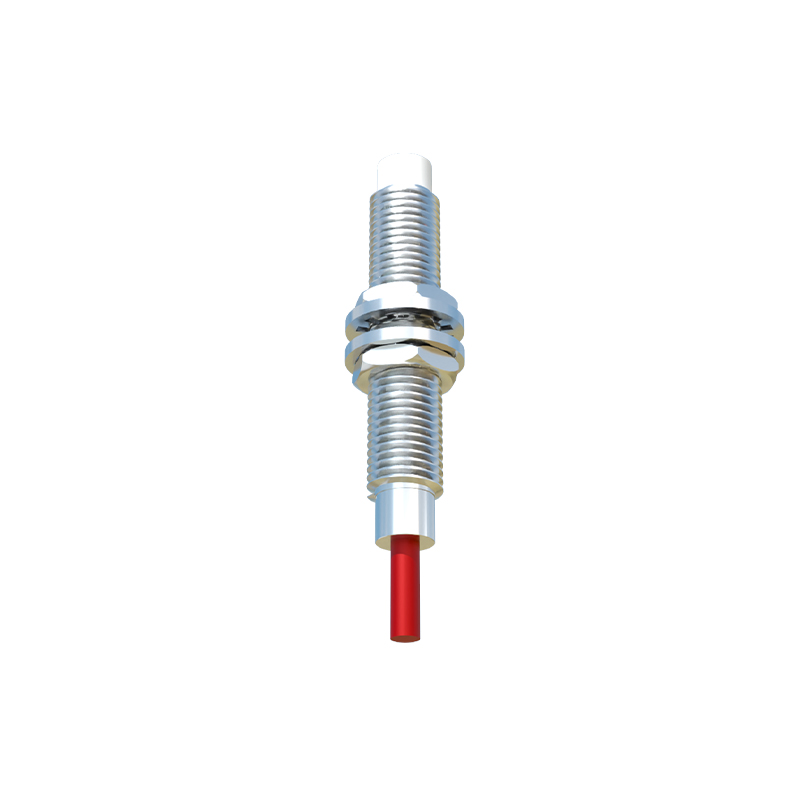
The core technology behind these sensors often involves inductive, capacitive, or ultrasonic principles. Inductive sensors detect metallic objects by generating an electromagnetic field, while capacitive sensors respond to both metallic and non-metallic materials by measuring changes in capacitance. Ultrasonic sensors use sound waves to determine distance. In analog versions, the sensor's internal circuitry converts the detected changes into a proportional analog signal. For instance, as an object moves closer to an inductive proximity sensor, the amplitude of the oscillating circuit changes, and this variation is linearly converted to an output voltage or current.
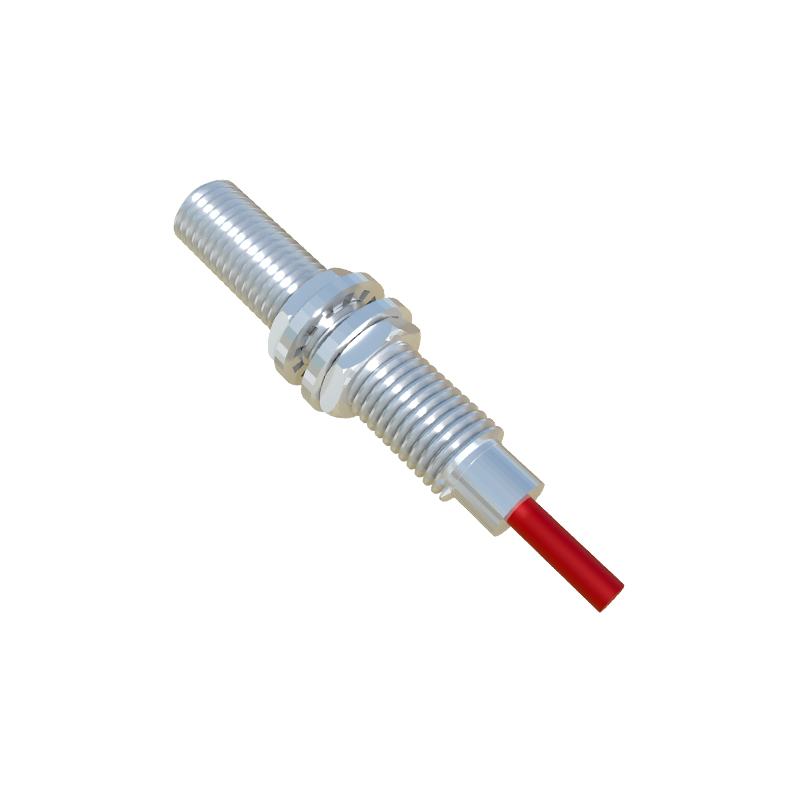
Key benefits of analog output proximity sensors include high resolution and continuous monitoring. They allow systems to not only detect an object's presence but also track its exact position, speed, or thickness. This capability is invaluable in applications like conveyor belt speed control, robotic arm positioning, or liquid level monitoring. In automotive assembly lines, analog sensors ensure precise alignment of components. In packaging machinery, they help maintain consistent material thickness by providing real-time feedback.
Selecting the right analog proximity sensor requires consideration of several factors. The sensing range must match the application's distance requirements. Environmental conditions such as temperature, humidity, and exposure to chemicals can affect sensor performance, necessitating models with appropriate ingress protection (IP) ratings. The target material's properties also influence the choice; inductive sensors work exclusively with metals, whereas capacitive sensors handle diverse materials including plastics, liquids, and granules.
Installation and calibration are crucial for optimal performance. Sensors should be mounted securely to minimize vibration effects, and shielded models may be needed in environments with strong electromagnetic interference. Calibration involves setting the output range to correspond accurately with the desired measurement span. Many modern sensors feature teach-in functions, allowing easy configuration by pressing a button when the target is at minimum and maximum positions.
Despite their advantages, analog output sensors have limitations. They are generally more susceptible to noise compared to digital signals, though proper shielding and using current loops can mitigate this. Analog signals also require analog-to-digital converters (ADCs) when interfacing with digital controllers like PLCs or microcontrollers. However, this integration enables sophisticated data processing for advanced automation tasks.
Emerging trends include the integration of analog sensors with Industrial Internet of Things (IIoT) systems. Smart sensors with built-in diagnostics and digital communication protocols like IO-Link can transmit both analog process values and digital status information, enhancing predictive maintenance and system efficiency. Additionally, miniaturization and improved materials are expanding their use in consumer electronics and medical devices.
In summary, analog output proximity sensors provide a versatile solution for applications demanding precise, continuous measurement. By understanding their operating principles and proper implementation techniques, engineers can leverage these sensors to enhance automation accuracy, improve product quality, and optimize industrial processes. As technology advances, their role in smart manufacturing and connected systems continues to grow, bridging the gap between simple detection and sophisticated analog data acquisition.