In the realm of industrial automation, proximity switch sensors are indispensable components for non-contact detection of metallic and, in some cases, non-metallic objects. However, the reliable and long-term performance of these sensitive electronic devices is critically dependent on their housing—the sensor enclosure or junction box. This article delves into the engineering considerations, selection criteria, and practical applications of proximity switch sensor enclosures, providing a comprehensive guide for engineers and maintenance personnel.
The primary function of a sensor enclosure is protection. Industrial environments are rife with hazards that can compromise sensor integrity. A robust enclosure provides a critical barrier against physical impact, abrasion, and crushing forces, especially in high-traffic areas like material handling systems. Equally important is the defense against environmental contaminants. Ingress Protection (IP) ratings, such as IP67 or IP69K, are standardized codes indicating the level of protection against solid particles and liquids. An IP67-rated enclosure, for example, guarantees complete protection against dust ingress and protection against temporary immersion in water. For washdown applications in food and beverage or pharmaceutical industries, stainless steel enclosures with IP69K ratings are essential to withstand high-pressure, high-temperature cleaning.
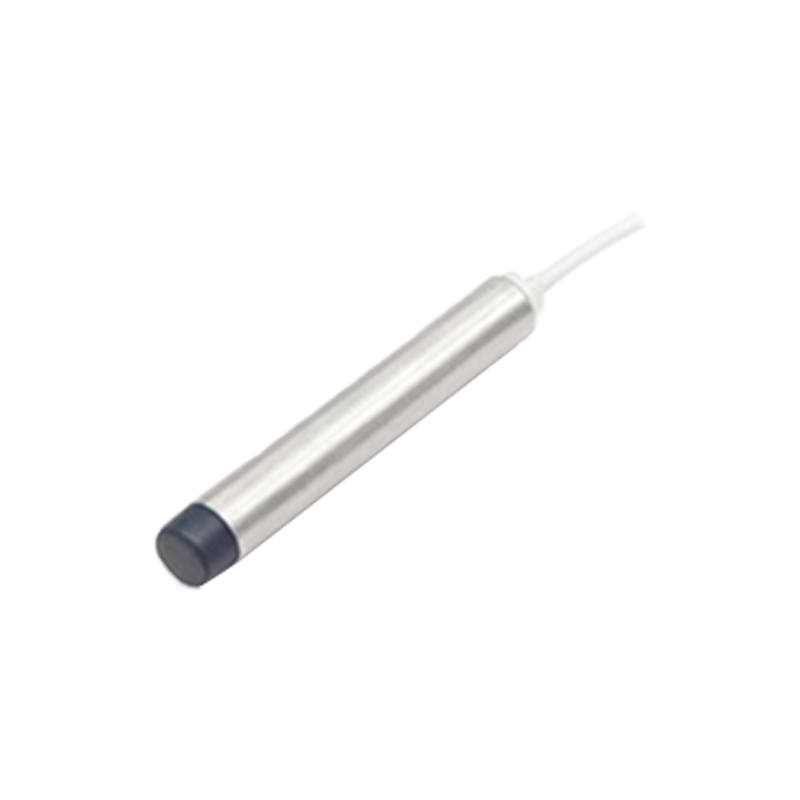
Beyond physical and environmental protection, enclosures play a vital role in electromagnetic compatibility (EMC). Many industrial settings generate significant electromagnetic interference (EMI) from motors, drives, and welding equipment. Metal enclosures, typically crafted from die-cast aluminum, zinc, or stainless steel, act as Faraday cages, shielding the internal sensor circuitry from external EMI that could cause false triggering or signal degradation. For applications where the sensor itself must detect non-ferrous metals, or in environments where a metal enclosure might cause interference, engineered plastics like polyamide (PA) or polycarbonate (PC) are used. These materials offer excellent chemical resistance and electrical insulation.
The design of the enclosure must also facilitate installation and maintenance. Key features include:
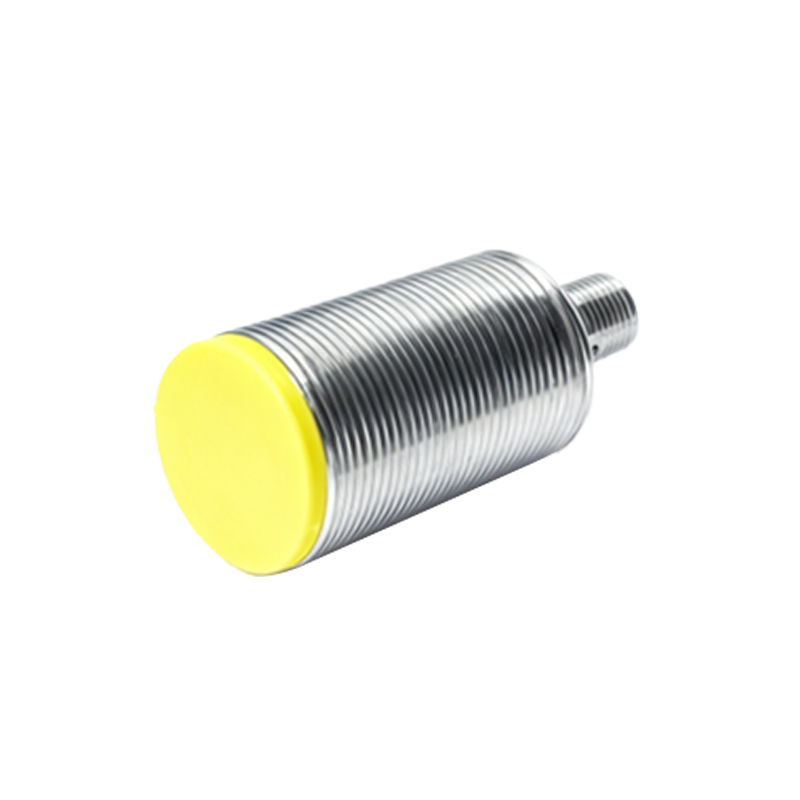
Cable Entry Points: Multiple knock-outs or threaded entries (e.g., M12, PG9, NPT) allow for flexible cable gland installation, ensuring a secure and sealed connection.
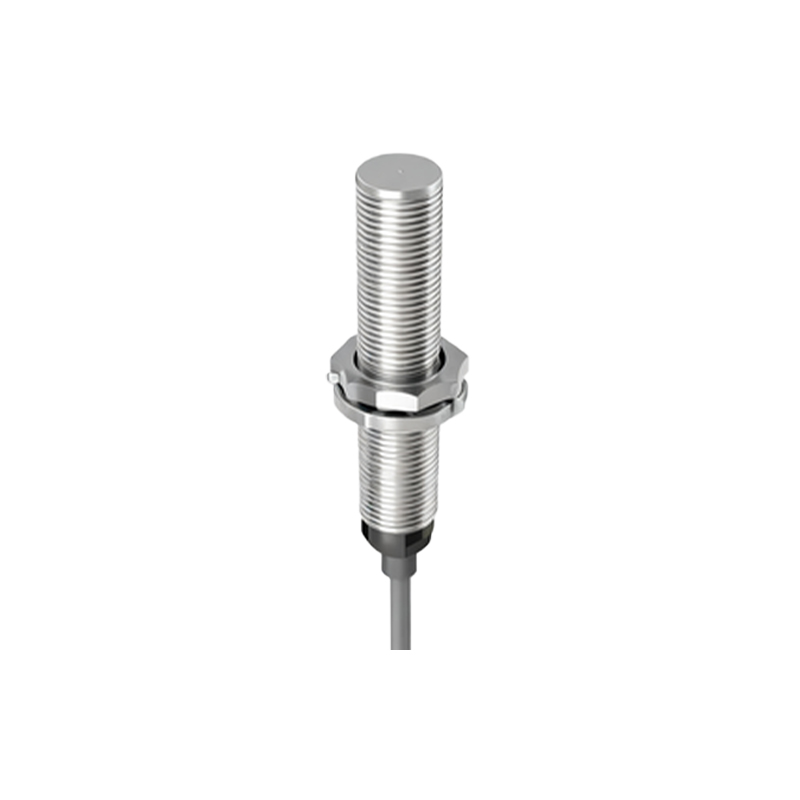
Mounting Options: Standardized mounting brackets, slots, or holes enable easy integration onto machine frames, robotic arms, or conveyor structures.
Indication Windows: Many enclosures feature transparent windows or integrated LED indicators, allowing for visual confirmation of the sensor's operational status (power on, object detected) without needing to open the box.
Internal Space: Adequate internal volume is necessary for housing the sensor, any required plug connectors, and allowing for proper bending radii of connected cables to prevent strain.
Selecting the correct enclosure is a systematic process. First, assess the environmental conditions: presence of dust, moisture, oils, coolants, temperature extremes, and potential for chemical exposure. Next, evaluate the mechanical risks like vibration, shock, and UV exposure for outdoor applications. The sensor type (inductive, capacitive, magnetic) and its specific detection requirements will influence the choice of enclosure material. Finally, compliance with industry-specific standards (e.g., UL, CSA, ATEX for hazardous areas) is non-negotiable for safety and regulatory approval.
In practice, these enclosures are ubiquitous. In automotive manufacturing, rugged metal enclosures protect sensors on welding robots from spatter and impact. In packaging machinery, plastic enclosures house capacitive sensors detecting plastic or glass bottles on high-speed lines. In heavy industries like mining or steel production, extremely robust, corrosion-resistant enclosures ensure sensors survive in the harshest conditions. The junction box variant is particularly important for multi-sensor systems, providing a centralized, protected location for cable termination and connection to the main control cabinet.
In conclusion, the proximity switch sensor enclosure is far more than a simple box. It is a meticulously engineered subsystem that ensures sensor reliability, system uptime, and operational safety. Neglecting its specification can lead to frequent sensor failure, costly production downtime, and safety incidents. A thorough understanding of environmental factors, material properties, and certification requirements empowers engineers to make informed decisions, thereby optimizing the performance and longevity of their automation sensing networks. Investing in the right enclosure is an investment in the resilience and efficiency of the entire production process.