In the rapidly evolving landscape of industrial automation, consumer electronics, and smart systems, the advent of new proximity sensors marks a significant leap forward. These advanced devices are redefining how machines perceive and interact with their surroundings, offering unprecedented levels of accuracy, reliability, and versatility. Unlike their predecessors, the latest generation of proximity sensors leverages cutting-edge technologies to overcome traditional limitations, paving the way for smarter and more efficient applications across diverse sectors.
At their core, proximity sensors are designed to detect the presence or absence of an object within a specific range without any physical contact. The fundamental principle involves emitting a field or a beam of electromagnetic radiation, such as infrared light, ultrasonic waves, or radio frequencies, and analyzing the changes in the return signal. The new wave of sensors, however, integrates sophisticated algorithms and enhanced hardware to deliver superior performance. Key innovations include multi-spectral sensing, which combines different types of emissions to improve detection accuracy in challenging environments, and advanced signal processing that filters out noise and interference effectively.
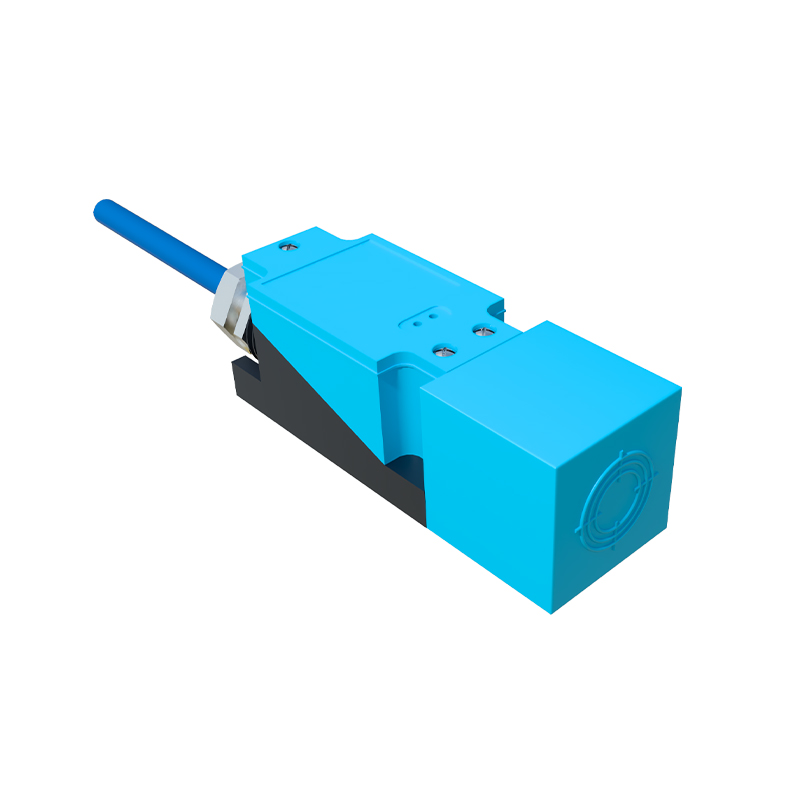
One of the most notable advancements is the dramatic improvement in sensing range and resolution. Modern proximity sensors can detect objects from a fraction of a millimeter to several meters away with exceptional precision. This expanded range is coupled with higher resolution, allowing for the detection of minute details and subtle movements. For instance, in automotive applications, these sensors enable more responsive driver-assistance systems, accurately identifying pedestrians, vehicles, and obstacles even in poor visibility conditions. The enhanced resolution also benefits robotics, where precise object positioning and handling are critical for assembly lines and collaborative robots working alongside humans.
Energy efficiency is another cornerstone of the new sensor technology. Utilizing low-power components and intelligent power management systems, these devices consume significantly less energy while maintaining optimal performance. This is particularly crucial for battery-operated devices like smartphones, wearables, and Internet of Things (IoT) nodes. In smartphones, for example, next-generation proximity sensors contribute to extended battery life by efficiently managing screen activation and deactivation during calls. Their low power draw also supports the development of sustainable and autonomous sensor networks for environmental monitoring and smart agriculture.
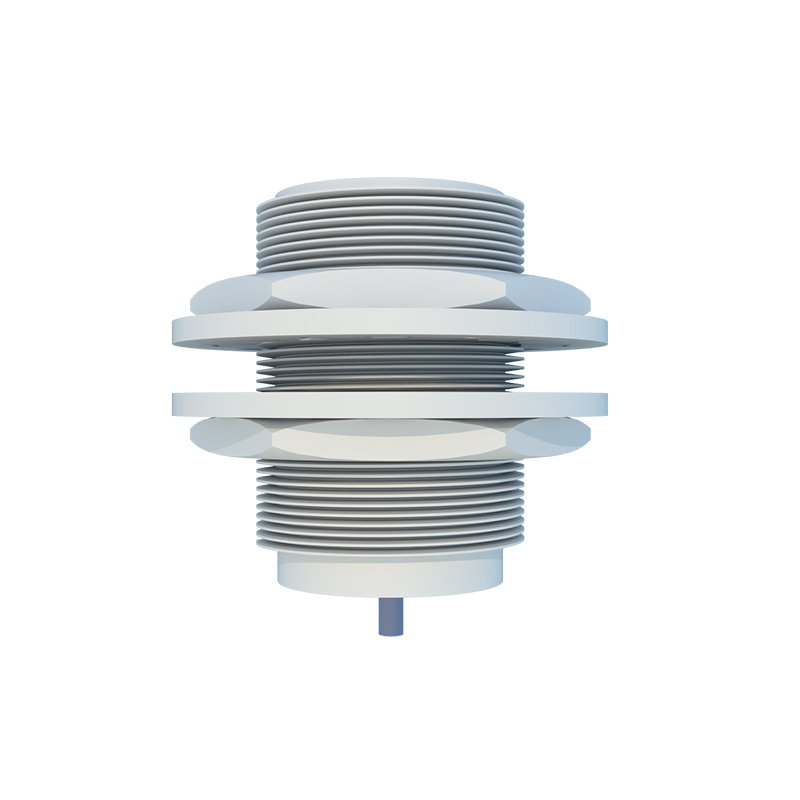
Durability and robustness have seen substantial enhancements as well. New proximity sensors are built to withstand harsh industrial environments, featuring rugged enclosures that protect against dust, moisture, chemicals, and extreme temperatures. This resilience ensures consistent operation in manufacturing plants, outdoor installations, and automotive under-the-hood applications. Furthermore, the integration of self-diagnostic capabilities allows these sensors to monitor their own health, predict potential failures, and alert maintenance teams proactively, thereby reducing downtime and maintenance costs.
The miniaturization trend continues to push boundaries, enabling the integration of high-performance proximity sensors into increasingly compact devices. This miniaturization does not compromise functionality; instead, it opens new possibilities for design and application. In consumer electronics, smaller sensors allow for bezel-less smartphone displays and more immersive augmented reality experiences. In medical devices, they facilitate the development of non-invasive monitoring tools and precise surgical instruments. The compact form factor also supports the proliferation of sensors in wearable technology, enhancing features like gesture control and fitness tracking.
Connectivity and interoperability are integral to the new sensor ecosystem. Modern proximity sensors often come equipped with standard digital interfaces such as I2C, SPI, and UART, simplifying integration with microcontrollers and system-on-chip solutions. Many also support wireless protocols like Bluetooth Low Energy and Zigbee, enabling seamless communication within larger networks. This connectivity is vital for Industry 4.0 initiatives, where sensors collect and share data in real-time to optimize production processes, enable predictive maintenance, and create adaptive manufacturing systems. In smart homes and buildings, interconnected sensors contribute to energy management, security, and automated control of lighting and climate.
Looking ahead, the convergence of proximity sensing with artificial intelligence and machine learning promises even greater advancements. AI-enhanced sensors can learn from their environment, adapt their detection parameters dynamically, and make intelligent decisions autonomously. This evolution will lead to context-aware systems that anticipate user needs and respond more intuitively. For autonomous vehicles, AI-powered proximity sensors will be essential for complex navigation and real-time obstacle avoidance. In retail and public spaces, they will enable personalized interactions and efficient crowd management.
The impact of these new proximity sensors extends beyond technical specifications; they are enablers of innovation, safety, and efficiency. By providing reliable non-contact detection, they enhance operational safety in industrial settings, prevent accidents in automotive applications, and improve user experiences in consumer products. As research and development continue, we can expect further breakthroughs in materials, sensing modalities, and integration techniques. The ongoing evolution of proximity sensor technology is not just an incremental improvement but a transformative force, shaping the future of automation, mobility, and connected living. Embracing these advancements will be key for industries and developers aiming to stay competitive and deliver next-generation solutions.